
Comparisons
Pushups vs Pullups: Which Should You Do?
Pushups vs pullups: compare muscle engagement, difficulty, and progressions to tailor routines for all fitness levels.


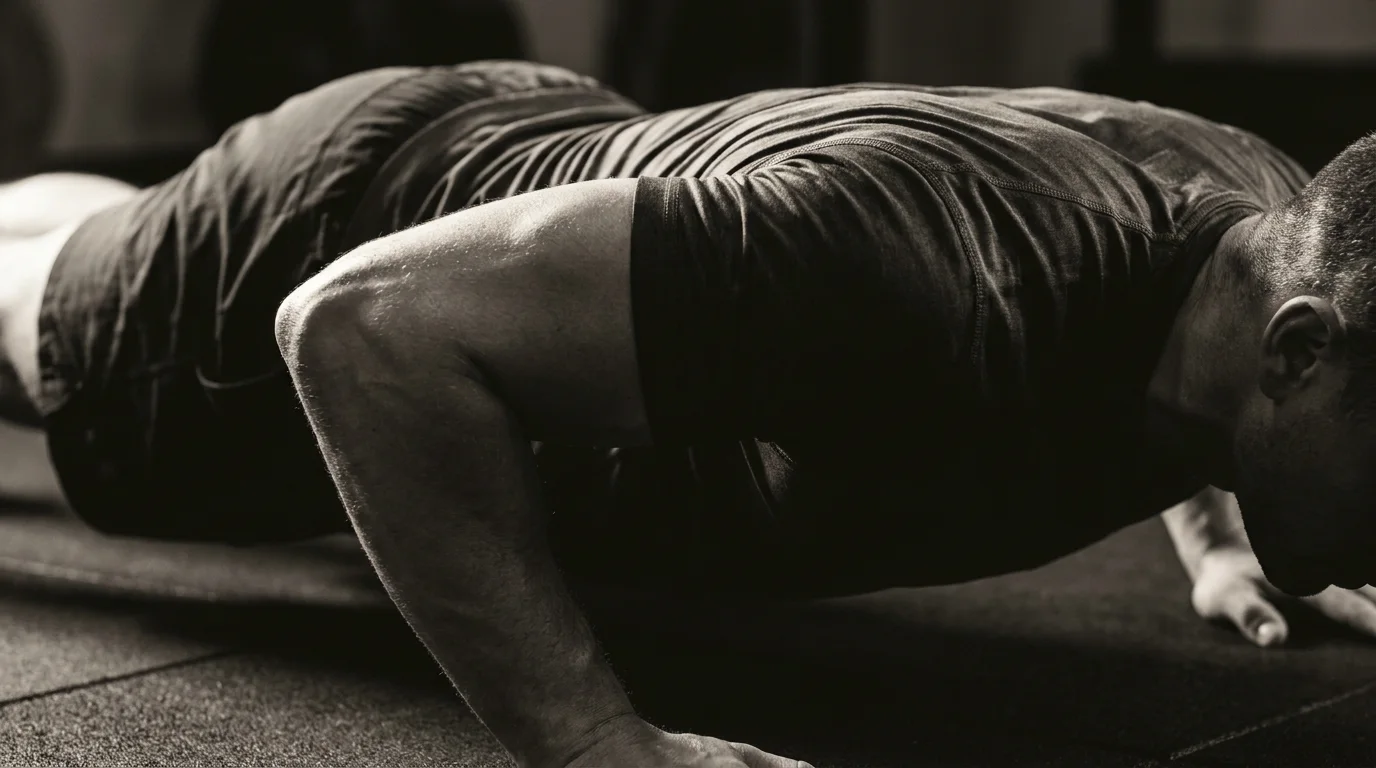
Pushups vs Pullups: How they differ in muscle engagement and difficulty
Which muscles each exercise targets
- Pushups primarily target the chest (pectoralis major), front shoulders (anterior deltoids), and triceps. The core and serratus anterior help keep the torso stable.
- Pullups target the lats (latissimus dorsi), teres major, and the biceps, with rear deltoids and traps providing support. The core and hips brace to hold the body.
- Chin-ups use the same pulling muscles as pullups but place more emphasis on the biceps due to the underhand grip.
Chin-ups vs pull-ups: grip and difficulty
- Grip: Chin-ups use a supinated (underhand) grip; pullups use a pronated (overhand) grip. The chin-up also tends to recruit more biceps; pullups place slightly more load on the lats.
- Difficulty: For many people, chin-ups feel easier than pullups; which is harder depends on leverage. Start with a controlled negative or assisted version if needed.
How pushups differ from pullups in terms of muscle emphasis
- Pushups train the chest and front shoulders with a horizontal push; pullups train back and arms with a vertical pull. Both demand core bracing, but the muscle mix and lever are different; to balance strength, include both.
Progressions, variations, and tempo-based programming from beginner to advanced
From assisted to unassisted: a step-by-step path
Pull-ups: assisted pull-ups → negative pull-ups → scapula pulls → lighter band-assisted or partial ROM → full unassisted.
Push-ups: incline/knee push-ups → standard push-ups with scapular engagement → add tempo (2-0-2-0) → push-up variations (wide, close, incline feet).
Tempo and rep schemes you can actually follow
Push-ups: 2-0-2-0 or 3-0-2-0; Pull-ups: 3-0-1-0; 3–5 sets of 3–8 reps. Progress by slow eccentrics or adding tempo, stepping each cycle up with tempo-based progressions.
Grip and variation choices for shoulders and elbows
Push-ups: vary grip width; keep elbows near 45 degrees. Pull-ups: chin-up vs pull-up; neutral grip safer for shoulders; scapula pulls build control.
Milestones and progression benchmarks
Push-ups: 8–12 strict reps with tempo; Pull-ups: progress from assisted pull-ups to 3–5 unassisted reps; Scapula pulls: 8–12 reps; Weighted pull-ups after reaching unassisted milestone.
Putting it all together: balanced push/pull programming, home setup, and injury prevention
Designing a balanced push/pull routine
- Train 2–3 days per week, pairing a push exercise with a pull exercise in each session; aim for similar total reps.
- Pushups vs pullups should both show up in your plan. Use a mix of horizontal pulls (rows) and vertical pulls (pullups or chin-ups) to balance chest and back work.
- Progression should be steady: add reps, switch to a harder variation, or introduce a weight vest when ready.
Equipment options and at-home adaptations
- Home workouts work with a pull-up bar, resistance bands for assisted pull-ups, incline pushups, and scapula pull-ups to build control.
- Chin-up vs pull-up: switch grips to bias biceps or lats; weighted pull-ups for strength gains when needed.
- Equipment considerations: rings or a sturdy doorframe pull-up bar expand options; use bands for assisted reps.
Open-ended example workouts (alternating pushups with pullups and chinups)
- Workout A: Pushups 3×8–12; band-assisted pull-ups 3×6–8; scapula pulls 2×8; rest 60–90s; 3 rounds.
- Workout B: Incline pushups 3×10–15; chin-ups or band-assisted 3×5–7; negative pull-ups 3×3–5; 3 rounds.
Injury prevention tips and common fixes
- Warm up 5–10 minutes: scapular circles, band pull-aparts; activate rotator cuffs.
- Shoulder safety: keep elbows tucked, control tempo; avoid forcing reps.
- Elbow pain: adjust hand position, use incline pushups, reduce reps; if pain persists, switch to bands or rings and reassess form.
Frequently asked questions
Are pushups harder or easier than pullups?
Difficulty varies with leverage and grip; many people find chin-ups easier than pullups, but you can adjust either movement with assisted variants, negatives, tempo, or partial ROM to tailor the challenge.
How do pushups help you do pullups, and vice versa?
They complement each other in a balanced plan: pushups build pressing strength and core stability, while pullups build pulling strength in the back and biceps; together they promote even upper-body development.
How many reps should a beginner aim for pushups or pullups?
Pushups: 8–12 strict reps with tempo; pullups: progress toward 3–5 unassisted reps, using assisted variations and negatives as you improve.
What are common mistakes in pushups and pullups and how can you fix them?
Pushups: elbows flare and scapular engagement is often weak; fix by keeping elbows near 45 degrees and actively bracing/scapular stability. Pullups: using momentum or not achieving full ROM; fix with scapula pulls, slow negatives, and progressing through assisted versions to control full range of motion.
About the authors

Goran Huskić
Co-founder · Professional basketball player
Goran Huskić is a Serbian professional basketball player — a 6'11" center currently playing for Monbus Obradoiro in Spain's Primera FEB. He won the 2019–20 Basketball Champions League with San Pablo Burgos and has competed professionally across Spain, Germany, Lithuania, Serbia and the United States. He co-founded PUSHapp to bring pro-level training discipline to everyday workouts.

Nikola Janković
Co-founder · Former professional basketball player
Nikola Janković is a former professional basketball player — a 6'9" forward and the 2016–17 ABA League MVP — who played for Partizan, Union Olimpija and Mega, among others. Today he runs a pilates studio and gym focused on strength, mobility and overall wellbeing. He co-founded PUSHapp to make consistent, measurable training simple for everyone.