
Comparisons
Pushups or Planks: Which Is Better for Core?
Compare pushups or planks to strengthen your core, learn form, hold times, safety, and progression for daily use.


Understanding Core Roles: Pushups vs Planks in Everyday Movement
Core mechanics of each move
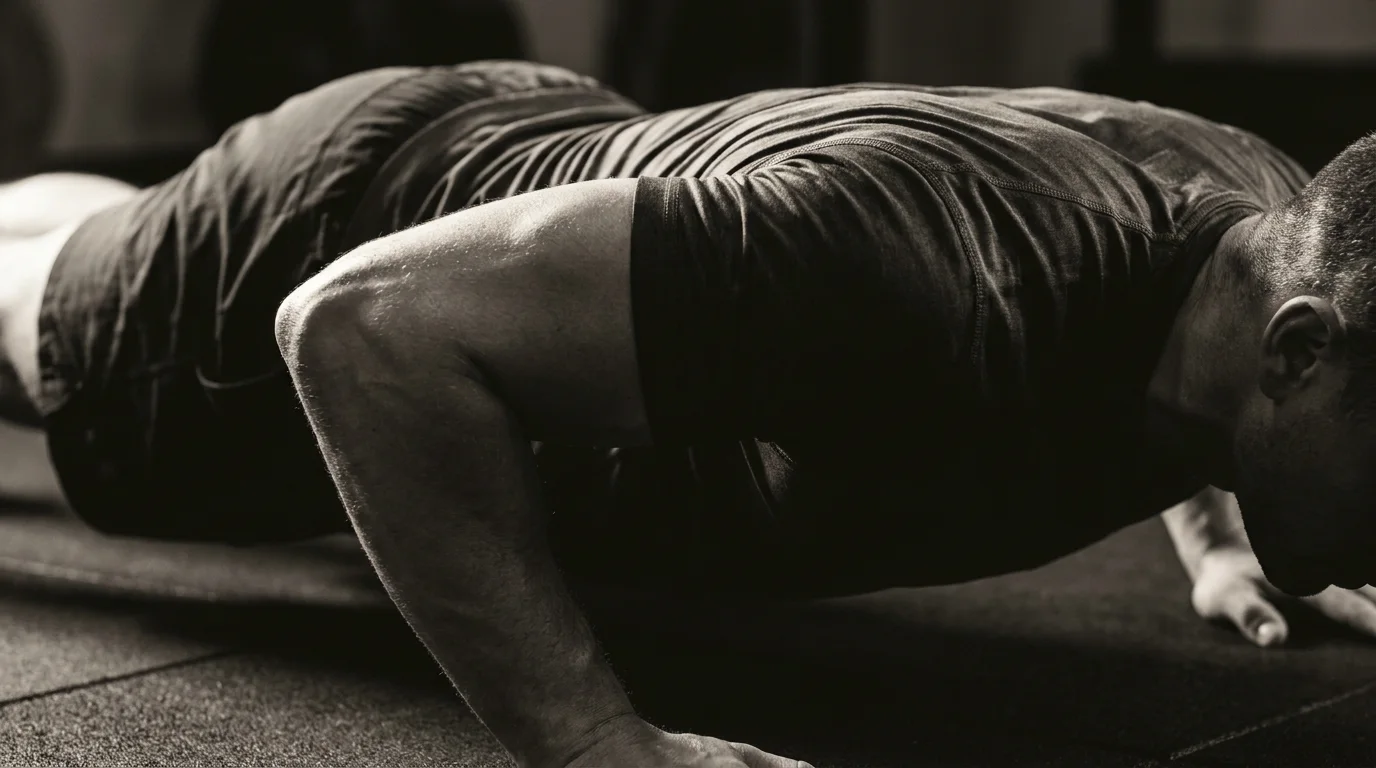
- Pushups train dynamic core stability: as you lower and press, your torso must stay in a straight line, hips not sag, ribs braced; this is anti-extension and anti-rotation work through a full range.
- Plank form emphasizes static bracing: hold a neutral spine, engage glutes and lats, and keep hips level; how to do a plank: elbows under shoulders, feet hip-width apart, tighten the belly, breathe steadily; plank duration starts at 20–30 seconds and builds.
- Planks vs sit-ups: planks build endurance and resilience without repeated spinal flexion; sit-ups focus more on trunk flexion and can irritate the back if not progressed.
- Back pain safety: if you feel pain, stop, modify with a knee or incline plank; ensure safe form before duration.
Translating core work to daily tasks
- Carrying groceries, bending to pick up a child, or pushing a heavy door all reward steady bracing.
- Use pushups or planks to train the brace you use while lifting, reaching, or stepping onto stairs.
How to Do Planks and Pushups: Form, Cues, and Safe Progressions
Plank variations and cues
- Front plank: in forearm or high-plank, wrists under shoulders, brace core and glutes, plank form with a neutral spine and level hips. Hold 15–20 seconds as a beginner; progress to 30–45, then 60 seconds over 2–3 sets. If you’re wondering how to do a plank, start here.
- Side plank: on one forearm, stack hips, lift to a straight line. Start 10–15 seconds per side; build to 30–45.
- Incline plank: hands on an elevated surface, feet on the floor, apply front-plank cues. Increase duration as control improves.
Pushup progressions and form
- How to do a pushup: tall plank, hands under shoulders, core braced, spine neutral. Lower with elbows ~45 degrees until the chest nears the surface; press back up.
- Progressions: wall, incline, knee, then full pushups. Use incline if form slips.
Common mistakes and safety tips
- Sagging hips, rib flare, breath-holding. If back pain safety concerns arise, switch to incline or knee versions. Planks vs sit-ups: planks build stability. Warm up and progress gradually.
Putting It Together: A Realistic 8–12 Week Plan to Balance Pushups and Planks
Week-by-week progression
- Weeks 1–4: Pushups 3x6–8; Planks 3x20–30s. Add 5–10s or 1 extra rep per set each week.
- Weeks 5–8: Pushups 3x10–12; Planks 3x40–60s; add incline or tempo pushups; include side planks 2x20–30s.
- Weeks 9–12: Pushups 4x12–15; Planks 4x60–90s; introduce feet-elevated or more challenging variations; cycle in planks vs sit-ups for core stability.
Measuring progress and benchmarks
- Track best plank hold and max reps per set; aim for about 60–90s in a standard plank and 15–20 pushups in a set. For beginners, how long should you hold a plank for beginners? Start with 15–20 seconds and build.
Integrating into a weekly routine
- Train 3 days per week with rest between. Pair or rotate pushups and planks on session days; switch to variations when form stays solid. In a weekly routine, how often should you do planks? 2–3 times.
Frequently asked questions
What is the proper plank form?
Maintain a neutral spine with your head aligned to your hips, ribs braced, and a tight midsection; squeeze the glutes and quads and keep the hips level so your body forms a straight line from shoulders to heels.
How long should you hold a plank to build core strength?
Begin with 15–20 seconds, then progress to 30–45 seconds, and work up to 60 seconds over 2–3 sets as you maintain good form.
Are planks safe for people with back pain?
Yes, but modify as needed: use knee or incline planks, avoid pain, and ensure safe form before increasing duration.
Should you include planks instead of sit-ups for core training?
Planks train static bracing and are generally safer for the back; use them as the foundation and add sit-ups later only if your form is solid and pain-free.
About the authors

Goran Huskić
Co-founder · Professional basketball player
Goran Huskić is a Serbian professional basketball player — a 6'11" center currently playing for Monbus Obradoiro in Spain's Primera FEB. He won the 2019–20 Basketball Champions League with San Pablo Burgos and has competed professionally across Spain, Germany, Lithuania, Serbia and the United States. He co-founded PUSHapp to bring pro-level training discipline to everyday workouts.

Nikola Janković
Co-founder · Former professional basketball player
Nikola Janković is a former professional basketball player — a 6'9" forward and the 2016–17 ABA League MVP — who played for Partizan, Union Olimpija and Mega, among others. Today he runs a pilates studio and gym focused on strength, mobility and overall wellbeing. He co-founded PUSHapp to make consistent, measurable training simple for everyone.