
Comparisons
Weighted vest vs backpack for pushups: which is better?
Compare weighted vest vs backpack for pushups to assess effectiveness, comfort, safety, and tips for choosing the right load.


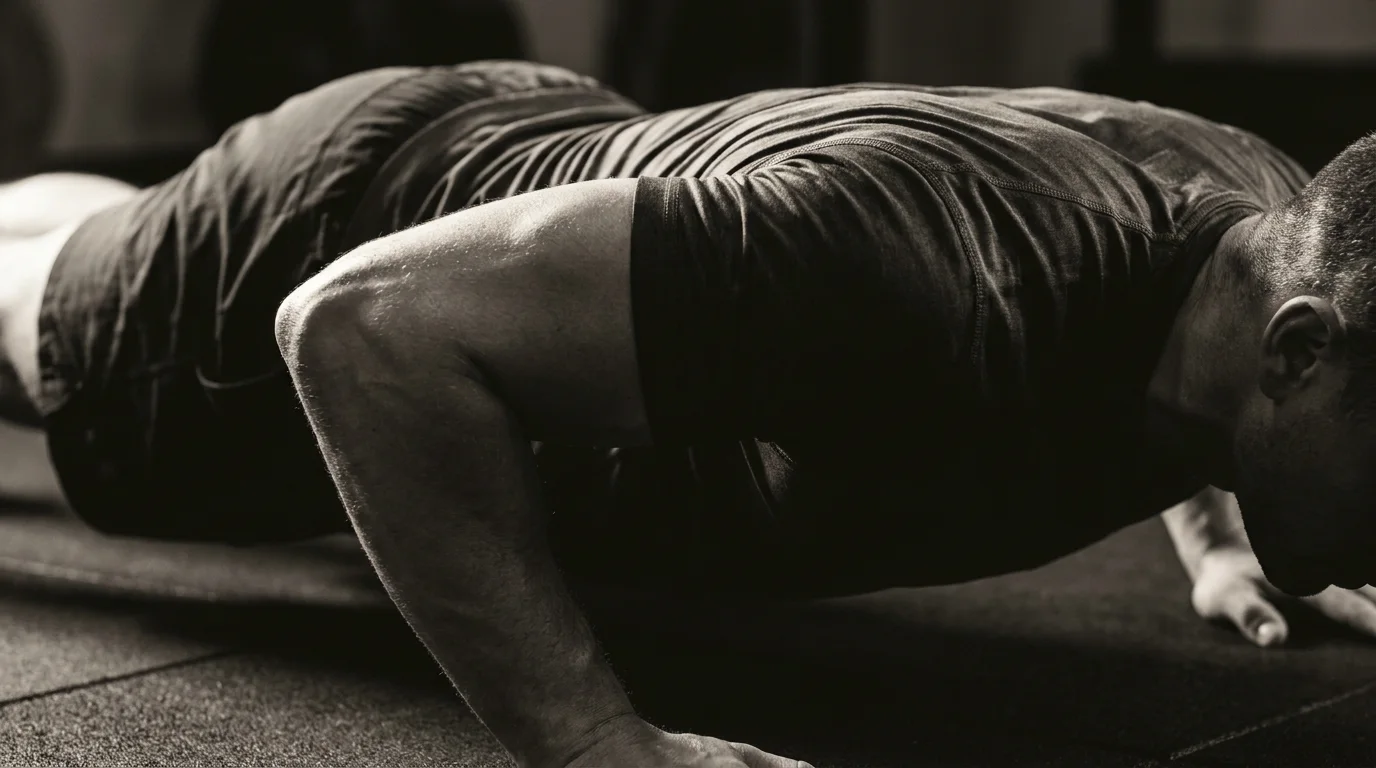
Load distribution and pushup mechanics: weighted vest vs backpack
In weighted vest vs backpack for pushups, load placement shifts how you brace and where the effort goes.
Front-loaded vs back-loaded load distribution
- Front-loaded (vest) places more weight on the chest and front shoulders, nudging your center of gravity forward and often increasing the need to brace the upper body.
- Back-loaded (backpack) concentrates load on the upper back and hips, which can help you keep a more neutral spine and steady torso, but may raise demand on the core to stabilize.
- If you are choosing a weighted vest, look for a snug fit, adjustable increments, and a design that keeps weight centered.
Impact on shoulder and lower-back stress
- Front load can raise anterior shoulder stress if elbows flare; keep elbows close to your sides and press through the chest.
- Back load tends to spread work to the back and core; brace the core and hips to protect the lower back.
- Vest weight percent body weight is a practical way to tune intensity, but prioritize form over load. Does a weighted vest increase pushups effectiveness? It depends on maintaining form and depth.
- Test with a light load to ensure full, neutral form before increasing weight.
Fit, comfort, and practicality: padding, breathability, straps, and budget
padding and fabric
Padding matters where the weight sits on the chest and shoulders during pushups. A vest with soft foam or gel padding helps prevent rubbing. Look for fabric that wicks moisture and has flat seams to reduce chafing. A breathable weighted vest makes longer sets more comfortable in warm home gym environments.
strap adjustability and vest length
Adjustable straps let you center the weight and keep it from riding up. Vest length for pushups matters; a shorter panel can ride up, a long panel can press into the hips and limit ROM. Aim for a vest that sits mid chest and mid torso and test with a few light reps.
backpack practicality in workouts
A backpack can be budget friendly and you might use it for weighted vest for walking, but weight tends to shift as you move and shoulder straps dig in. In a home gym with a mat and good ventilation, a properly fitted vest generally stays more stable. If you must use a backpack, distribute weight evenly in the main compartment and avoid overloading.
Choosing, progressing, and safety: calories, overload, and when to stop
Weight recommendations and progression
If you ask how to choose a weighted vest, start by aiming for a vest weight percent body weight for pushups around 5 to 10 percent. If using a backpack, load toward the same target. Track progress with weighted vest percent body weight for pushups as you advance. Keep form first. Progress by 2 to 5 percent increments or by adding one or two reps per set when form stays solid. If you stall, drop weight. Apply progressive overload for weighted pushups by gradually increasing load or reps.
Safety thresholds for shoulders and back
Keep elbows at about 45 to 60 degrees and brace the core. Maintain a neutral spine and avoid hip sag. If you feel sharp shoulder pain, numbness, or pinching, reduce load or stop. Warm up, then progress gradually. Pushups with extra weight safety tips to protect joints.
Calories and energy expenditure estimates for weighted pushups
Calorie expenditure during pushups with load depends on weight, tempo, duration, and fitness level. Use a heart rate monitor or calculator to estimate energy expenditure for your session. There is no single figure; use it as a relative guide to compare workouts. For practicality, track time under load and your perceived effort.
Frequently asked questions
How heavy should a weighted vest be for pushups or upper-body exercises?
Aim for a vest weight around 5 to 10 percent of your body weight for pushups. Progress gradually by 2 to 5 percent increments or by adding one or two reps per set, and always prioritize clean form before increasing load.
What features should I look for when choosing a weighted vest (padding, breathability, fit)?
Padding matters where the weight sits; choose soft foam or gel padding to prevent rubbing. Look for moisture-wicking fabric with flat seams and good breathability. Adjustable straps help center the weight and a fit that sits mid chest and mid torso helps prevent riding up.
Is a backpack a good substitute for a weighted vest for pushups?
A backpack can substitute but weight tends to shift and sit far from your spine, which can throw your balance and elbow position off. If you must use a backpack, distribute weight evenly in the main compartment, secure it well, and only progress after you can perform clean reps with strict form.
Are weighted vests safe for beginners or people with shoulder or neck concerns?
Yes, but start light and focus on form. If the load causes shoulder or neck discomfort or you notice instability, back off and adjust the weight or loading pattern.
About the authors

Goran Huskić
Co-founder · Professional basketball player
Goran Huskić is a Serbian professional basketball player — a 6'11" center currently playing for Monbus Obradoiro in Spain's Primera FEB. He won the 2019–20 Basketball Champions League with San Pablo Burgos and has competed professionally across Spain, Germany, Lithuania, Serbia and the United States. He co-founded PUSHapp to bring pro-level training discipline to everyday workouts.

Nikola Janković
Co-founder · Former professional basketball player
Nikola Janković is a former professional basketball player — a 6'9" forward and the 2016–17 ABA League MVP — who played for Partizan, Union Olimpija and Mega, among others. Today he runs a pilates studio and gym focused on strength, mobility and overall wellbeing. He co-founded PUSHapp to make consistent, measurable training simple for everyone.