
Comparisons
Pushup ladders vs straight sets: a comparison guide
Learn pushup ladders vs straight sets, how to implement each method, benefits, and when to use them for different fitness levels.


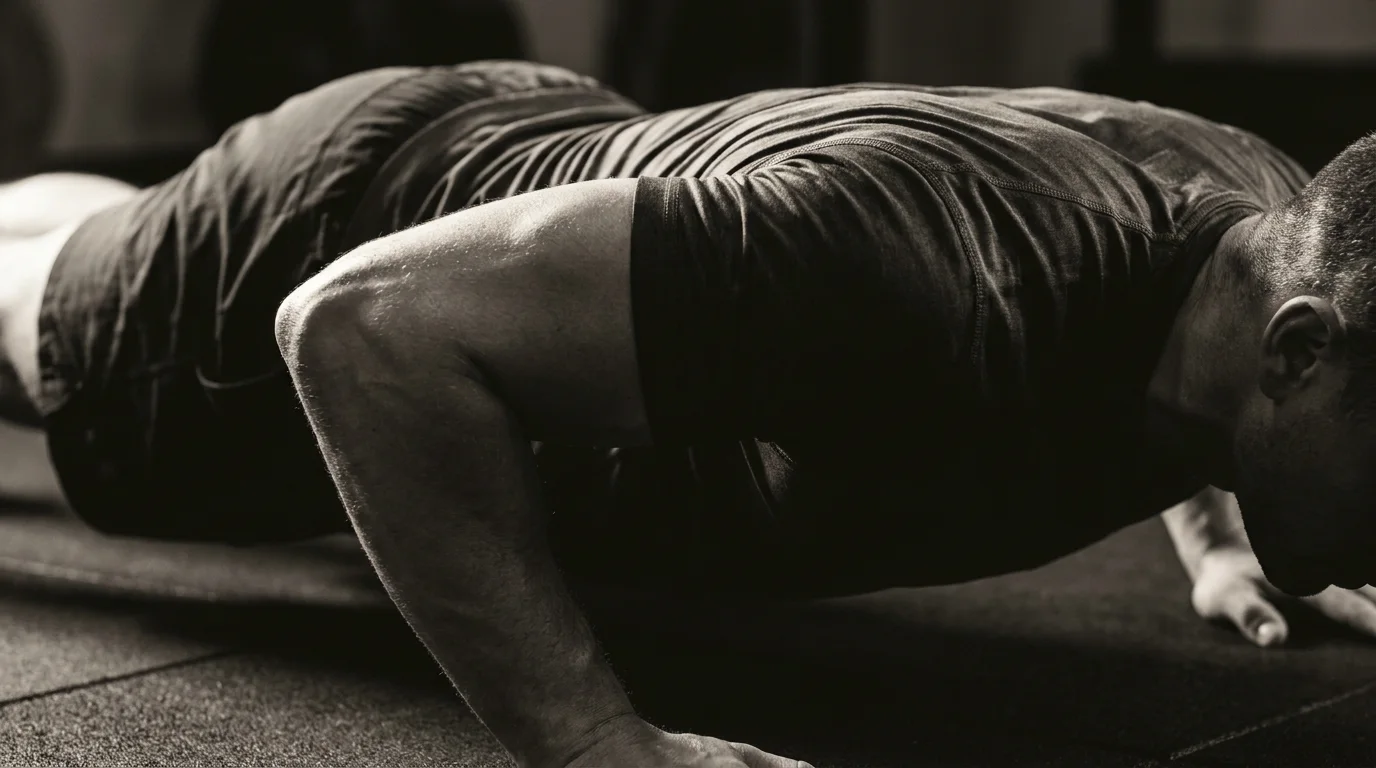
Push-up ladders vs straight-set push-ups: concepts, mechanics, and when to use
This guide compares pushup ladders vs straight sets with practical templates you can follow. Begin with beginner templates and progress to advanced levels.
Push-up ladders: move through a sequence where reps climb within a workout. Start with a smaller number, rest briefly, then add reps on the next set until you reach a top rung. Descending ladders reverse the order. Tempo variations let you change time under tension, and you can adjust grip width to shift shoulder load.
Straight-set push-ups: perform the same number of reps in each set with the same rest between sets. Tempo stays even and you keep the same grip width and body position across sets.
Templates and progression follow for beginner, intermediate, and advanced levels, showing how to scale volume, effort, and tempo.
In this guide, push-up ladders vs straight-set push-ups: concepts, mechanics, and when to use
What exactly is a push-up ladder?
Push-up ladders, also called ladder push-ups, move through a sequence where reps climb within a workout. Start with a smaller number, rest briefly, then add reps on the next set until you reach a top rung. Descending ladders reverse the order. Tempo variations let you change time under tension, and you can adjust grip width to shift shoulder load.
What is a straight-set push-up?
In straight-set push-ups you perform the same number of reps in each set with the same rest between sets. Tempo stays even and you keep the same grip width and body position across sets.
Key differences in volume, intensity, and progression
- Volume tends to be higher in ladders because reps accumulate in a single session.
- Intensity can vary with ladder reps and rests, while straight sets feel steadier.
- Progression options include tempo variations, grip width, and rest; ladders push for more reps, straight sets rely on added sets or load.
- Shoulder safety matters in both; listen for pain and stop as needed.
Choosing the right method for your goals
If you want endurance and a clear progression, use push-up ladders. For steady load and easy tracking, straight-set push-ups with tempo or grip tweaks fit well. Keep the top rung in sight and add one rep next session.
Templates and workouts by fitness level: beginner, intermediate, and advanced
These templates pair ladder push-ups and straight-set push-ups with clear cues you can apply today.
Beginner templates: ladder vs straight-set formats
- Ladder: reps per rung 1, 2, 3, 4, 5. Rest 20 seconds between rungs. Do 2 full ladders per session. Tempo 2-0-2-0. Grip shoulder width. Progression: add a rung or repeat the ladder with the top rung for extra volume. Equipment-free ladder alternatives include floor rep ladders or incline push-ups against a wall.
- Straight-set: 3 sets of 5 to 7 reps. Rest 60 to 90 seconds. Tempo 2-0-2-0. Grip shoulder width. Progression: add 1 rep per set when possible.
Intermediate templates: building volume and control
- Ladder: top rung 8 to 12 reps, 3 ladders, 45 seconds between ladders. Tempo 2-0-2-0. Progress by adding 2 reps per rung or a fourth ladder.
- Straight-set: 4 sets of 8 to 10 reps, 60 to 90 seconds. Progression: close-grip or elevated feet for added load.
Advanced templates: mixed methods and progression
- Ladder then straight set mix: ladder up to 12 to 15 reps, then 2 straight sets of 10 to 12. Rest 45 seconds between blocks.
- Straight-set focus: 5 sets of 12 to 15, tempo 3-0-2-0, rest 60 seconds. Progression: introduce tempo variations or narrow grip.
Tempo and grip width variations to optimize form
- Narrow grip targets triceps, wide grip feels easier on shoulders. Slow descent 3-0-2-0 for control; use faster push at the top only if form stays solid.
Safety cautions and common mistakes
- Keep ribs braced, hips in line, and neck neutral. Don't let the elbows flare or sag in the middle of a set. Stop if pain arises.
How to choose, combine, and periodize push-up ladders and straight-set push-ups
Decision framework for beginners vs advanced
- Beginners focus on form and controlled tempo. Use straight-set push-ups 3 sets of 6-8 with a 2 second descent and 2 second press. When form stays solid, add short ladders of 3-5 reps after the straight sets. For ongoing gains, use a simple periodization: rotate emphasis every 4 to 6 weeks between endurance, technique, and strength blocks.
- Advanced athletes use ladders to push through fatigue and then finish with straight sets to preserve tempo and control. Add tempo variations such as 3-0-2 or 2-0-3 to target different phases.
Sample weekly templates and progression paths
- Schedule templates: 3 workouts per week. Week 1 straight sets only, Week 2 add a ladder block after the sets, Week 3 replace one straight-set block with a ladder and add a light incline option if needed.
Safety, warm-up, and shoulder care
- Warm up shoulders with circles, scapular work, and light push-ups. Stop if pain or instability arises.
Ladder-free alternatives and scalable options
- Use incline or elevated push-ups to scale, and track reps and tempo after every workout to verify progress.
Next step: choose a template and start.
Frequently asked questions
What is a push-up ladder and how does it work?
Push-up ladders move through a sequence where reps climb within a workout. Start with a smaller number, rest briefly, then add reps on the next set until you reach a top rung. Descending ladders reverse the order.
How do push-up ladders compare to straight-set push-ups for benefits?
Ladders tend to increase the total volume in a session because reps accumulate. Straight-set push-ups feel steadier with the same reps and rest, making load easier to track.
When should I use ladder-style push-ups versus straight sets?
Choose ladders for endurance and a clear progression; choose straight sets for a steady load and easier tracking. Keep the top rung in sight and plan to add one rep next session.
Can beginners safely do push-up ladder workouts?
Yes, beginners can safely do push-up ladders when using beginner templates that start with small ladders. Progress gradually, use options like incline ladders, and stop if pain or discomfort arises.
About the authors

Goran Huskić
Co-founder · Professional basketball player
Goran Huskić is a Serbian professional basketball player — a 6'11" center currently playing for Monbus Obradoiro in Spain's Primera FEB. He won the 2019–20 Basketball Champions League with San Pablo Burgos and has competed professionally across Spain, Germany, Lithuania, Serbia and the United States. He co-founded PUSHapp to bring pro-level training discipline to everyday workouts.

Nikola Janković
Co-founder · Former professional basketball player
Nikola Janković is a former professional basketball player — a 6'9" forward and the 2016–17 ABA League MVP — who played for Partizan, Union Olimpija and Mega, among others. Today he runs a pilates studio and gym focused on strength, mobility and overall wellbeing. He co-founded PUSHapp to make consistent, measurable training simple for everyone.