
Comparisons
Planks vs Pushups: Which Builds Core Faster?
Discover planks vs pushups: compare core work, benefits, form, and how to blend both for a stronger, healthier core.


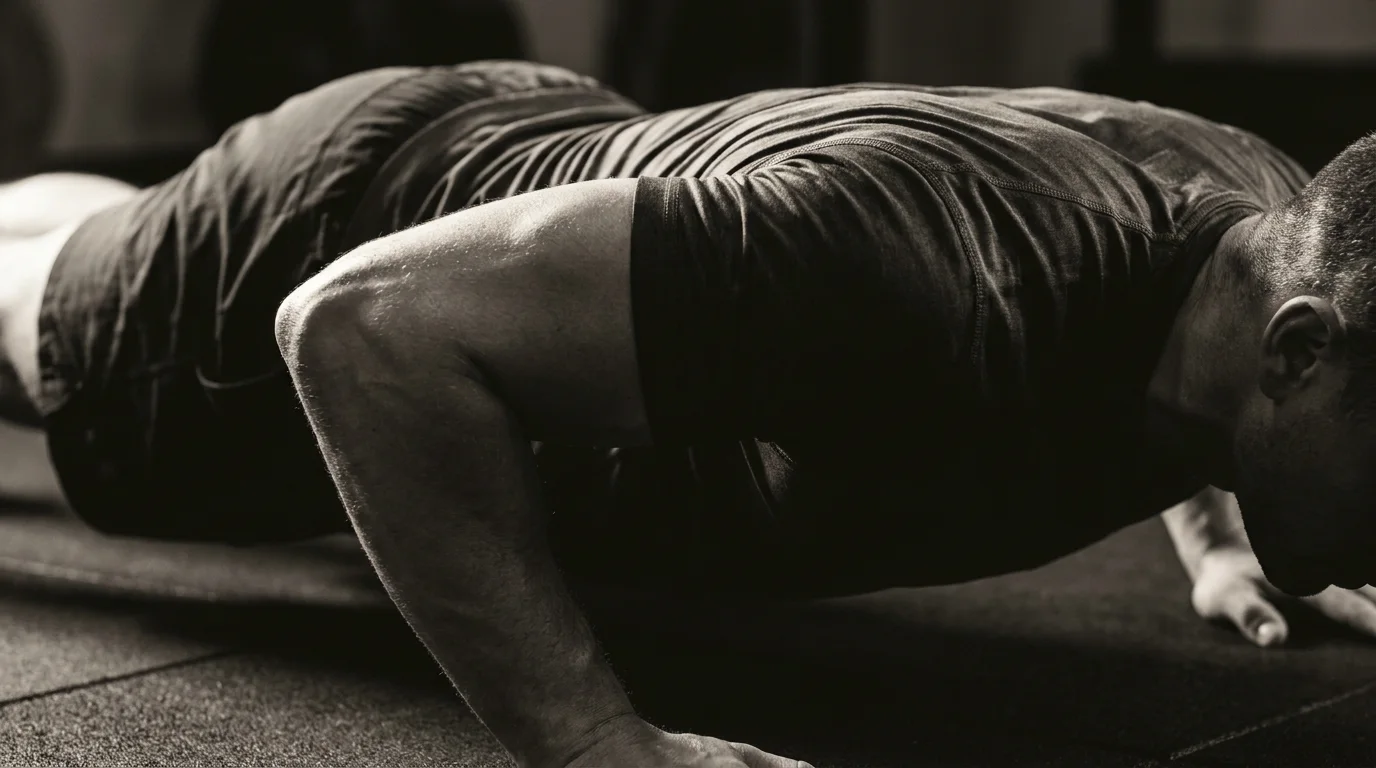
Understanding Planks vs Pushups: Core Targets, Mechanics, and Practical Differences
What muscles each exercise targets
- Planks engage the core: transverse abdominis, obliques, rectus abdominis, plus glutes and lats for spine support.
- Push-ups train the chest (pecs), shoulders (front delts), and triceps; the core braces to stabilize the spine through the movement.
Isometric vs dynamic loading: how they train the core
- Planks vs pushups illustrate the difference between isometric holding and dynamic loading. Planks build bracing and spinal alignment; push-ups train control through a range of motion and shoulder stability.
How to do a plank: form cues and progressions
- Elbows under shoulders, spine neutral, brace core, squeeze glutes.
- Hold a straight line from head to heels; progress from incline to knee-supported, then full front plank, then add variations.
Side plank: benefits for back health and posture
- Side planks target the obliques, boost lateral stability, and support posture; incorporate plank variations for balanced core work.
Common mistakes and fixes for planks and pushups
- Hips sag or arch: brace and level hips; don’t hold breath.
- Pushups: elbows flare; keep them ≈45 degrees and maintain a straight line from head to heels.
A 4-Week Integrated Plan: Combining Planks and Pushups for a Stronger Core
Overview: goals, structure, and progression logic
Goal: build core endurance and upper-body stability with safe, progressive overload. Structure: 4 weeks blending plank holds and pushups, 3–4 days per week with rest days as needed. Progression logic: gradually increase hold times and pushup reps, using beginner modifications (knee planks, incline or wall pushups) to protect back health.
Week-by-week progression: hold times, reps, and frequency
Week 1 — planks 20–30s; pushups 5–8 reps; 3 days.
Week 2 — planks 30–40s; pushups 8–10 reps; 3–4 days.
Week 3 — planks 40–50s; pushups 10–12 reps; 4 days.
Week 4 — planks 50–60s; pushups 12–15 reps; 4–5 days. Add an optional extra set if form stays solid. Prioritize posture and breathing.
Back health, posture, and functional carryover
Maintain a neutral spine, ribcage down, hips level. Brace the core and exhale on effort. If back pain emerges, switch to knee planks or incline pushups and reassess.
Assessment benchmarks and tracking progress
Record baseline plank hold and max reps in a controlled set. Re-test at Week 4; track hold time, total weekly reps, and perceived core stability.
Variations, Scaling, and Common Pitfalls: Safe Progressions for All Levels
Beginner-friendly variations and when to use them
- Incline plank on a bench or box reduces load while you learn neutral spine and bracing.
- Knee planks and elevated knee planks build core engagement without full body demand.
- Side planks (with knees down or supported) introduce lateral stability and can boost side-to-back health.
- These are among the best plank variations for beginners to build confidence before advancing.
Advanced progressions and scaling techniques
- Feet elevated on a bench or step, tempo work (slow descent, pause, controlled rise) increase demand.
- Add advanced push-up variations (archer, diamond, pike) and pair with steady planks to challenge overall strength.
- Use time-to-fatigue holds and single-leg or asymmetrical variations as you master form.
Modifications for injuries (knee, shoulder, back) and safety cues
- Knee issues: regress to incline or knee planks; avoid twisting or deep knee bend.
- Shoulder concerns: keep elbows closer to the body; prefer incline or side planks with support.
- Back care: cue a neutral spine, hips level, ribcage down; prioritize safe progressions and shorter holds.
Common mistakes and fixes specific to planks vs pushups
- Planks: hips sag or shoulders hike. Fix with a tight brace, glutes on, and a flat spine.
- Pushups: elbows flare or hips dip. Fix with elbow-tuck cues, scapular control, and kinder regressions (incline or elevated surfaces).
- Always ensure a steady breath and avoid clues that push you into pain. Side plank benefits for back health often come from solid alignment and progressive difficulty.
Frequently asked questions
What is the difference between a plank and a push-up?
Planks are isometric holds that brace the core to build endurance and spine stability; push-ups are dynamic movements that involve pressing and lowering, tying trunk control to shoulder and hip motion. Mixing both can speed up results.
What muscles do planks target?
Planks primarily work the core—transverse abdominis, obliques, and rectus abdominis—plus the glutes and lats to support the spine.
How long should you hold a plank to see benefits?
Start around 20–30 seconds; in the 4-week plan you progress to 50–60 seconds by Week 4, maintaining good form and steady breathing.
Are planks better for core strength than push-ups?
Not necessarily; planks emphasize isometric bracing and spinal stability, while push-ups train dynamic trunk control through movement and shoulder stability—the guide recommends using both for balanced core strength.
About the authors

Goran Huskić
Co-founder · Professional basketball player
Goran Huskić is a Serbian professional basketball player — a 6'11" center currently playing for Monbus Obradoiro in Spain's Primera FEB. He won the 2019–20 Basketball Champions League with San Pablo Burgos and has competed professionally across Spain, Germany, Lithuania, Serbia and the United States. He co-founded PUSHapp to bring pro-level training discipline to everyday workouts.

Nikola Janković
Co-founder · Former professional basketball player
Nikola Janković is a former professional basketball player — a 6'9" forward and the 2016–17 ABA League MVP — who played for Partizan, Union Olimpija and Mega, among others. Today he runs a pilates studio and gym focused on strength, mobility and overall wellbeing. He co-founded PUSHapp to make consistent, measurable training simple for everyone.