
Comparisons
Pullups vs Pushups: Which Is Harder?
pullups vs pushups: Discover which exercise to prioritize for upper-body strength, goals, and effective programming.


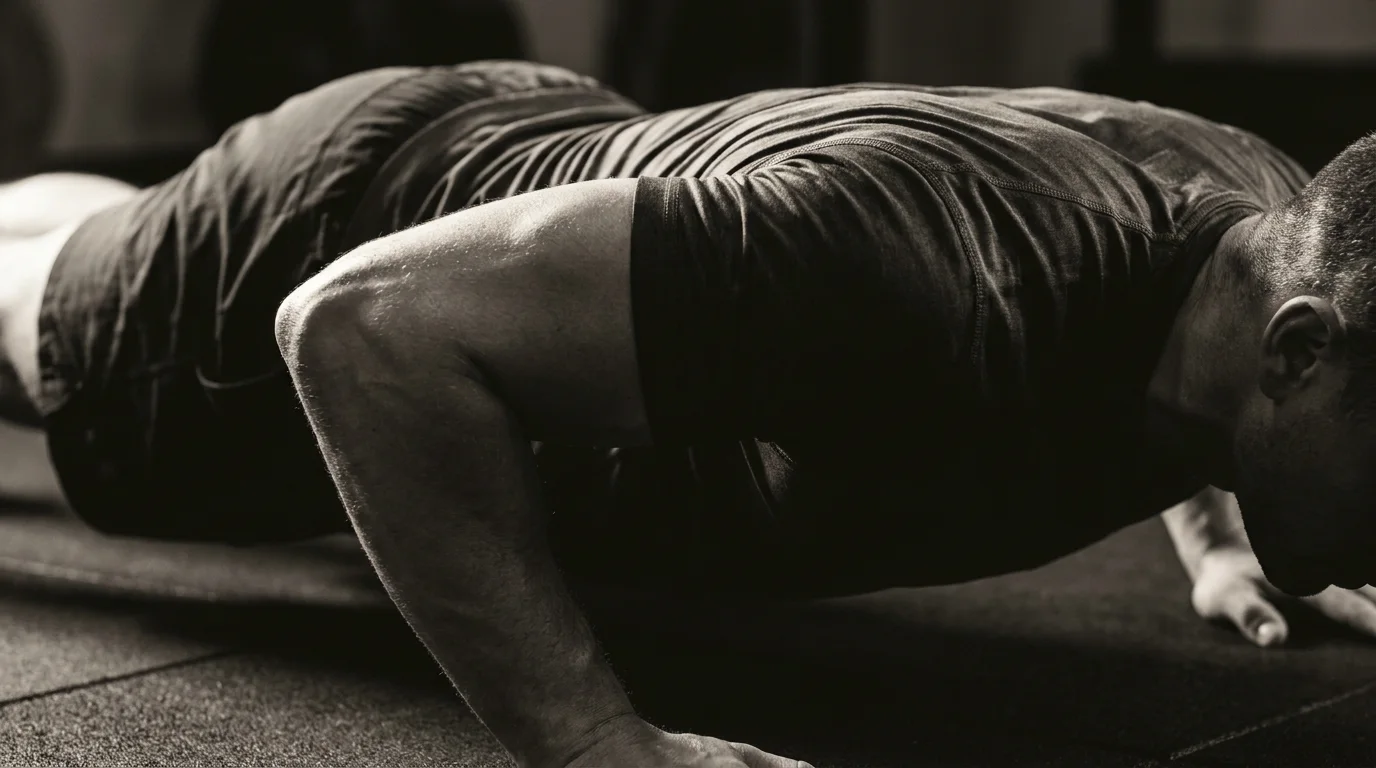
Hardness and Priority: How Pull-Ups vs Push-Ups Stack Up for Strength, Hypertrophy, and Safety
Pullups vs pushups feel differently hard because they recruit different muscles, leverage, and joint demands. Pull-ups rely on the lats, traps, rhomboids, and biceps, with core bracing to stay upright. Push-ups target the chest, front deltoids, and triceps, while the torso stays braced as a lever. The vertical pull in pull-ups often makes them harder to master for many; which is better for chest tends to be push-ups, with incline-to-floor progressions. Pull ups benefits extend to grip strength and posture. Push ups benefits include pushing strength and shoulder stability. If you must choose, pullups vs pushups which to prioritize depends on your goals: prioritize back and lats or chest and push strength, then cycle focus.
Muscle recruitment and difficulty
Pullups (and chin ups) recruit back power; chin-ups bias the biceps and can feel easier. For lat engagement, pullups win; for chest development, push-ups usually take the edge.
Shoulder and elbow safety considerations
Maintain scapular control in both lifts; avoid excessive ROM that stresses the shoulders. Progress gradually to protect elbows and tendon health.
Programming Pull-Ups and Push-Ups Together: Goal-Based Microcycles, Progressions, and Pace
Starting point by goal
- Strength: low reps, higher load. Pull-ups 4–5 sets of 4–6 (weight or bands as needed); push-ups 4–5 sets of 4–6 with controlled tempo.
- Hypertrophy: 3–4 sets of 8–12 on both, with time under tension and 60–90 seconds between sets.
- Endurance/fat loss: 2–3 sets of 15–25, shorter rests, and occasional supersets to raise density.
- Beginners: assisted pull-up vs incline push-up for beginners. Start with one path, progress to the other as you gain control; plan to graduate to incline push-ups and then weighted pull-ups over time.
Sample microcycle (4–6 weeks)
- 3 workouts per week, alternated:
- Session A (push emphasis): push-ups 4x8–12; assisted pull-ups 4x4–6
- Session B (pull emphasis): pull-ups 4x4–6 (assisted if needed); incline push-ups 3x12–15
- Session C (balanced): push-ups 3x8–10; pull-ups 3x4–6
- Week 3–4: add a rep or a set, or introduce a slow tempo (2–0-2-0). Deload later.
Progression pace and deloads
- Progress gradually: aim for +1–2 reps or +1 set every 1–2 weeks, or add tempo, then switch emphasis.
- Deload: reduce volume or intensity by 40–60% for a week every 4–6 weeks to stay fresh.
Weighted pull-ups and mixed-volume days appear in long-term progression after mastering the basics. This approach answers how to program pull ups and pushups together, balancing which to prioritize for your goal.
Safety, Modifications, and Substitutes: Injury Prevention, Equipment-Free Options, and Long-Term Progression
Injury considerations and modifications
- Shoulder safety: keep the scapula stable, avoid jerky pulls, and hold elbows at about 45 degrees to the torso. If pain arises, revert to incline push-ups or assisted pull-ups.
- Elbow health: avoid full elbow lockout; use controlled reps and a comfortable ROM. If pain returns, switch to supported variations.
- Wrist considerations: keep wrists neutral; use push-up bars, dumbbells, or perform on fists. If discomfort persists, drop to wall or incline variants.
Equipment-free options and substitutions
- Use TRX or rings to adjust angle and load; door-frame pull-up setups and incline push-ups on a bench or chair provide scalable options.
- For beginners, try assisted pull-ups with a resistance band or progress incline push-ups toward standard push-ups over time.
Volume, calories, and long-term progression
- Pullups vs pushups: the load profile differs, but shoulder safety and elbow health govern both.
- Bodyweight-only often allows higher weekly volume with moderate calories burned; weighted variants raise intensity and per-minute burn but require lighter total volume.
- Progress gradually: add reps or weight in small steps; plan a deload every 4–6 weeks; move from incline to standard to weighted with pacing.
Frequently asked questions
Are pull-ups harder than push-ups?
Yes for many people, because pull-ups require lifting your body through a full range with scapular control and lat engagement, while push-ups emphasize the chest and front delts with solid core bracing.
Which muscle groups are emphasized by pull-ups vs push-ups?
Pull-ups prime the back muscles (lats, traps, rhomboids) and biceps with core bracing; push-ups target the chest, front deltoids, and triceps with torso bracing.
What are the best progressions to learn a full pull-up if you can’t do one yet?
Start with assisted variants and incline push-ups, use tempo work and controlled negatives to build strength, then progress to heavier assisted pull-ups and finally unassisted pull-ups.
Should beginners start with push-ups or pull-ups first?
For beginners, start with one path (e.g., incline push-ups or assisted pull-ups) and progress to the other as control improves, planning to graduate to more challenging variations and a balanced mix over time.
About the authors

Goran Huskić
Co-founder · Professional basketball player
Goran Huskić is a Serbian professional basketball player — a 6'11" center currently playing for Monbus Obradoiro in Spain's Primera FEB. He won the 2019–20 Basketball Champions League with San Pablo Burgos and has competed professionally across Spain, Germany, Lithuania, Serbia and the United States. He co-founded PUSHapp to bring pro-level training discipline to everyday workouts.

Nikola Janković
Co-founder · Former professional basketball player
Nikola Janković is a former professional basketball player — a 6'9" forward and the 2016–17 ABA League MVP — who played for Partizan, Union Olimpija and Mega, among others. Today he runs a pilates studio and gym focused on strength, mobility and overall wellbeing. He co-founded PUSHapp to make consistent, measurable training simple for everyone.