
Comparisons
Pushups or Dips: Which Builds Triceps More?
Pushups or dips: compare triceps effectiveness, safety, and potential heart health links with evidence from studies.


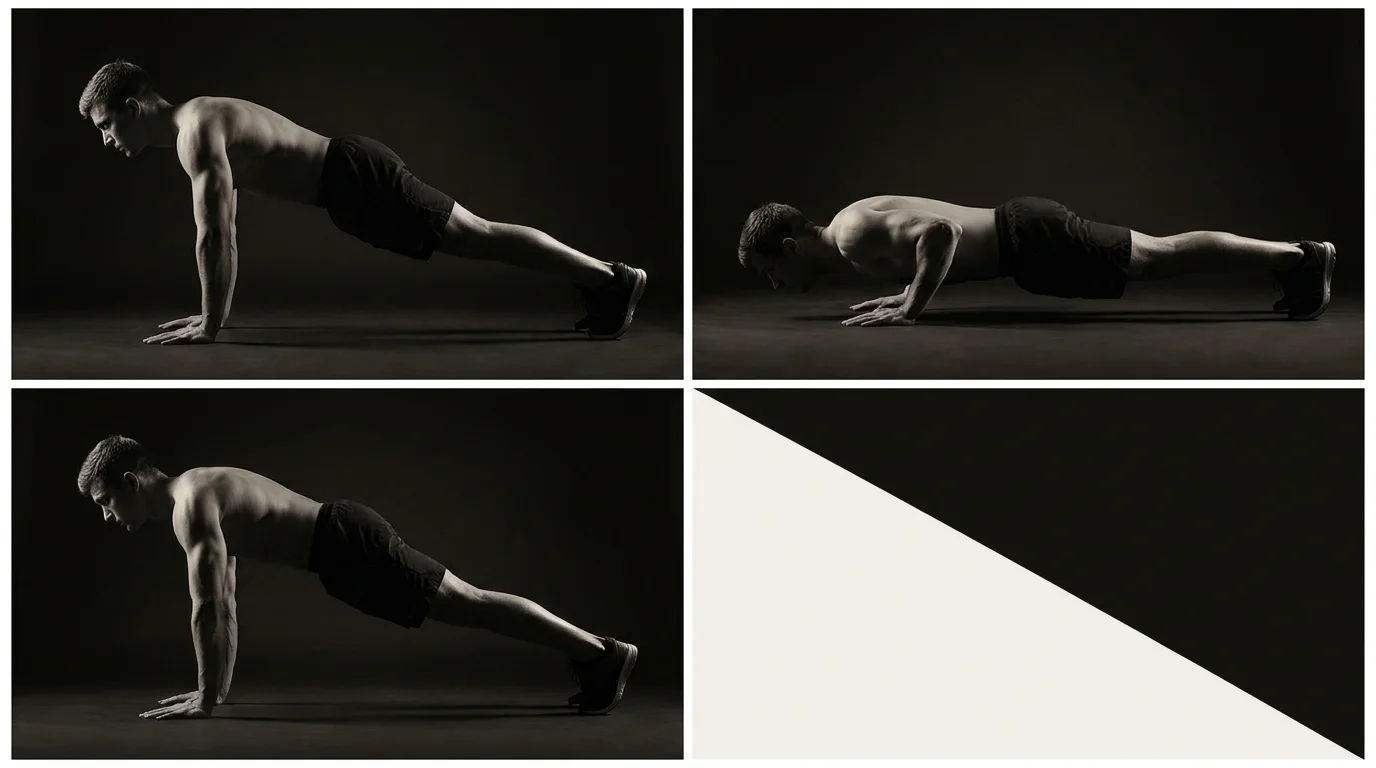
Pushups vs Dips for Triceps Activation: What the EMG Evidence Actually Shows
What the EMG data show
- EMG comparisons often show higher triceps activation during dips than during standard pushups, especially with deeper ranges that fully extend the elbows.
- Some push-up variations (closer grip, altered hand position, or elevated feet) can raise triceps EMG, narrowing the gap but not universally equal to dips.
Key factors that influence activation
- Technique: depth, tempo, and stabilization change how hard the triceps work.
- Population diversity: trained athletes may show larger differences than beginners; sex, age, and injury history influence results.
- Setup: parallel bars vs bench dips change leverage and muscle demand, shifting activation patterns.
Limitations and how to interpret the evidence
- EMG signals show muscle activation, not hypertrophy or long-term strength.
- Study variability exists due to electrode placement, normalization, and protocol differences.
- Gaps: few long-term trials across diverse groups; unclear how protocols like one-minute push-ups translate to real-world improvements.
Safety and Shoulder Health: Injury Risk in Pushups and Dips
Shoulder mechanics in each movement
- Pushups: keep the spine neutral and ribcage braced. Hands under the shoulders; elbows tucked to about 45 degrees as you lower. Press from the chest, and keep the shoulder blades stable to protect the joint.
- Dips: keep the torso tall and shoulders depressed. Lower to a comfortable point; avoid letting the shoulders drift behind the elbows. Stop around 90 degrees of elbow bend for many people and maintain control throughout.
Common faults and corrective cues
- Pushups: elbows flaring wide; cue: tuck elbows toward the ribs and brace the core to prevent hip sag. Keep gaze neutral.
- Dips: shoulders shrugging toward the ears; cue: press shoulders down and back, chest open. Don’t dip so deep that the front of the shoulder bears most of the load.
Modifications and progressions to reduce risk
- Pushups: start with incline or wall pushups; progress only when form stays solid.
- Dips: bench dips or band-assisted/partial ROM dips first; use a shallower depth and more upright posture before full parallel-bar dips.
Programming and Cardiovascular Health: How to Incorporate Pushups and Dips for Triceps and Health
Designing a balanced routine
- Schedule: 3 days per week focused on pushups or dips, with light cardio or mobility on off days.
- Structure: 3–4 sets per movement, aiming for 6–12 reps for pushups and 6–10 reps for dips; start with easier variations if needed.
- Technique: keep a solid plank, wrists under elbows, shoulders away from ears; avoid deep dips if shoulders complain.
- Progression: add reps, a slight tempo (2 seconds down, 2 seconds up), or a brief incline/ depth variation every 1–2 weeks.
- Heart-health tie-in: finish with a short cardio finisher (5–10 minutes) to support cardiovascular health alongside triceps exercises.
Sample 4-week plan
- Week 1–2: 3 sessions/week. 3x pushups (8–12) and 3x dips (6–10) per session.
- Week 3: add a fourth set on two days; bump to 9–13 pushups and 7–11 dips.
- Week 4: keep volume, then perform a one-minute push-ups test to gauge progress.
Interpreting the push-up test for health risk
- Do a one-minute push-up test to establish a baseline; track progress weekly.
- In research, higher counts correlate with better cardiovascular health markers in groups including firefighters, and may reflect lower heart disease risk. This is a signal, not a diagnosis.
- If results trend downward, revisit volume, tempo, and recovery before increasing intensity again.
Frequently asked questions
Are pushups or dips more effective for building the triceps?
Dips generally activate the triceps more than standard pushups, especially with a deeper range; push-up variations can boost triceps involvement but don’t universally match dips.
Are dips safer for the shoulders than pushups, or vice versa?
Neither movement is universally safer; proper form is key. Dips can stress the shoulders if performed deep, so use cues to depress the shoulders, and consider bench- or band-assisted progressions to reduce risk.
What does a one-minute push-up test indicate about cardiovascular fitness?
The article references simple tests like strict rep counts or controlled-tempo reps to track progress and notes cardio implications in terms of pacing and exertion, not a specific one-minute metric.
How many push-ups should I be able to do to be associated with lower heart disease risk?
The article does not specify a fixed threshold; it emphasizes gradual progression and using pushups or dips as part of a balanced routine for overall heart-health benefits.
About the authors

Goran Huskić
Co-founder · Professional basketball player
Goran Huskić is a Serbian professional basketball player — a 6'11" center currently playing for Monbus Obradoiro in Spain's Primera FEB. He won the 2019–20 Basketball Champions League with San Pablo Burgos and has competed professionally across Spain, Germany, Lithuania, Serbia and the United States. He co-founded PUSHapp to bring pro-level training discipline to everyday workouts.

Nikola Janković
Co-founder · Former professional basketball player
Nikola Janković is a former professional basketball player — a 6'9" forward and the 2016–17 ABA League MVP — who played for Partizan, Union Olimpija and Mega, among others. Today he runs a pilates studio and gym focused on strength, mobility and overall wellbeing. He co-founded PUSHapp to make consistent, measurable training simple for everyone.