
Muscles & Benefits
Wide Grip Pushups Muscles Worked: A Practical Guide
Discover wide grip pushups muscles worked and how grip width affects chest, shoulders, and core activation. Learn proper form, depth, and progressions.


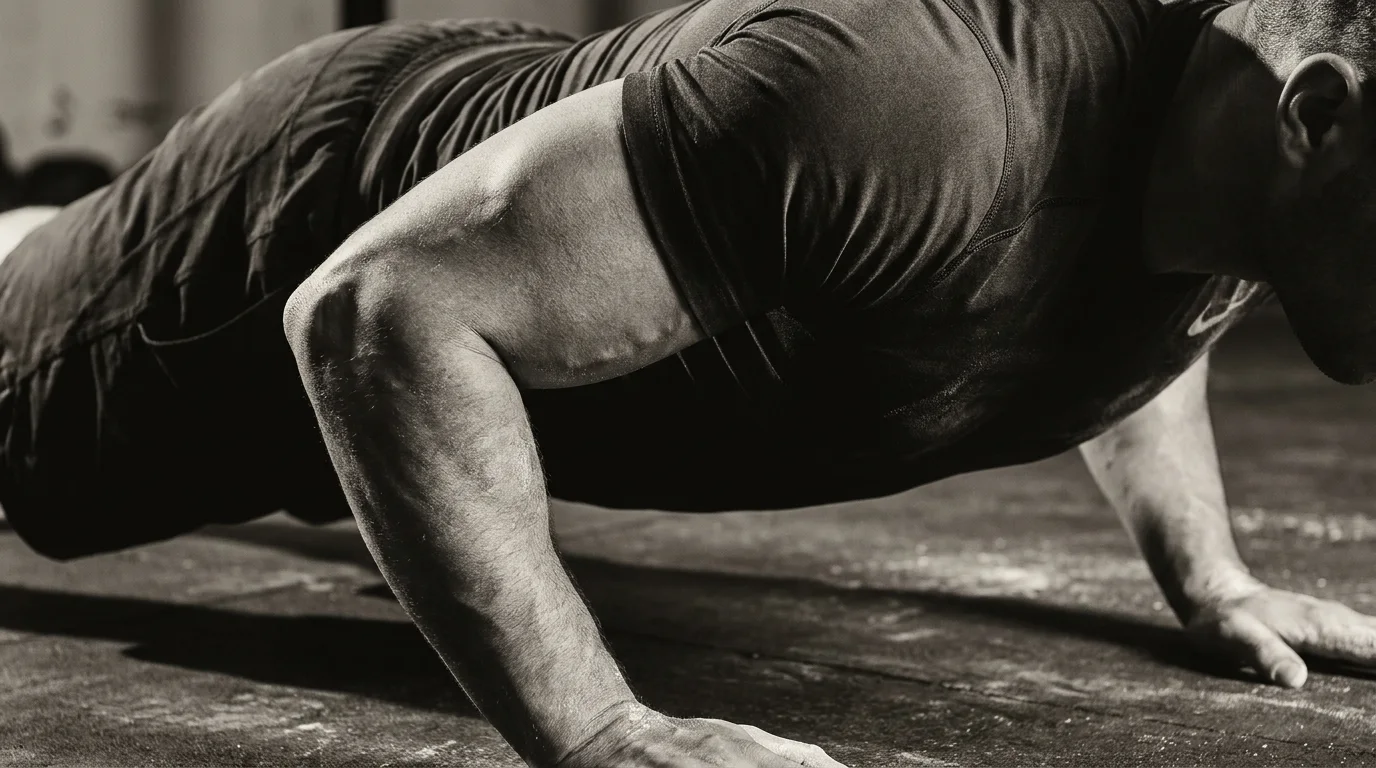
Which Muscles Do Wide Grip Pushups Work? Activation Across Grip Widths
Muscle-by-muscle activation
- Pectoralis major activation: The wider hand position loads the chest more, especially the pectoralis major, compared with standard hand positions. This is a core reason people choose hand width push-ups.
- Anterior deltoid engagement: The front shoulder bears more work as you press from a wider stance.
- Serratus anterior activation: The serratus helps stabilize the scapula as you push, supporting protraction and rib-cage control.
- Triceps and stabilizers: The triceps stay involved, but the emphasis shifts toward the chest and front shoulder with wide grips; elbows flare more, so technique matters.
Elbow angle and shoulder mechanics
- Elbows tend to flare outward with a wide grip, increasing horizontal adduction at the shoulder. This pattern boosts pectoralis major and serratus activation while demanding solid scapular control.
- Coaching cues: keep ribs braced, press through the center of the palms, and maintain a stable core as the chest leads the push. Compare wide grip pushups vs standard pushups muscles you feel to tune progression.
Grip Width, Form, and Safety: Maintaining Neutral Spine and Proper Elbow Angles
Neutral spine and scapular depression cues
- Brace your core and keep a straight line from crown to hips. Avoid letting the hips sag or rise.
- Set scapulae by pulling them gently down toward your hips; keep the chest open and shoulders stacked over the wrists.
- Maintain a neutral head position and softly press into the floor with even hand pressure. This supports shoulder health across grip variations.
Elbow angle and ROM targets by grip width
- Narrow grip: elbows stay closer to your sides; aim for about 30–40 degrees of elbow bend from the torso and full range without losing scapular depression.
- Standard grip: elbows about 45–60 degrees; descend to chest height while keeping hips in line.
- Wide grip: elbows about 60–75 degrees; depth may be a touch shallower, prioritizing form and scapular stability. Range of motion targets emphasize controlled descent and solid pressing.
Common grip width mistakes and shoulder health
- Elbows flaring excessively or shrugging shoulders.
- Losing neutral spine or scapular depression.
- Hands placed too far forward or back, destabilizing the shoulders.
- Rushing reps or letting hips sag. These degrade shoulder health. How does grip width affect muscle activation in pushups? Practice with mindful ROM to balance hand width push-ups and wide grip pushups muscles worked.
Progressions, Regressions, and Chest-Development Comparisons: Wide Grip Pushups in Practice
Progressions and regressions by grip width
- Regressions: wall pushups with a wide hand stance; knee pushups with hands wide and a straight line from head to hips. Focus on elbow angles around 45–60 degrees and scapular control.
- Progressions: floor wide grip pushups with a steady tempo; advance to incline pushups with the same wide grip to reduce load, then to decline pushups as you gain control. Finish with weighted pushups (vest or plates) for added resistance.
- Use this path when determining which muscles do wide grip pushups work and how grip width shifts emphasis.
Tempo, incline/decline, and weighted variations
- Tempo cues matter: 3-0-3 or 2-0-2 to heighten elbow angle push-ups activation and shoulder protection.
- Incline hand-width: wide grip on an elevated surface is easier; decline with wide grip is harder and taxes the chest more.
Grip width mistakes and chest development tradeoffs
- Avoid hands too wide—elbow angles drift, stressing shoulders; avoid collapsing the midline.
- Best grip width pushups for chest development is about shoulder width to just outside; adjust to comfort.
- For balance, mix hand widths to target different chest regions and maintain a full range of motion.
Frequently asked questions
Which muscles do wide-grip push-ups work, and how do they differ from standard push-ups?
Wide-grip push-ups shift more load to the chest and front shoulders (pectoral major and anterior deltoids) and require greater core stability. They activate the pectoralis major and serratus anterior more than standard push-ups, with elbows flaring and a need for solid scapular control.
Do wide-grip push-ups place more emphasis on the chest or shoulders?
They place more emphasis on the chest (pectoral major) and front shoulders, especially as you widen beyond shoulder width; both are engaged, but the chest tends to be the primary driver.
How should I position my hands for a wide-grip push-up?
Place your hands a couple inches wider than shoulder width, with elbows about 60–75 degrees from the torso, ribs braced, and a neutral spine; keep hips from sagging and wrists aligned under the elbows.
What are beginner-friendly progressions to build up to wide-grip push-ups?
Start with wall pushups in a wide stance, then progress to knee pushups with the same wide grip, keeping form solid before attempting full wide-grip push-ups.
About the authors

Goran Huskić
Co-founder · Professional basketball player
Goran Huskić is a Serbian professional basketball player — a 6'11" center currently playing for Monbus Obradoiro in Spain's Primera FEB. He won the 2019–20 Basketball Champions League with San Pablo Burgos and has competed professionally across Spain, Germany, Lithuania, Serbia and the United States. He co-founded PUSHapp to bring pro-level training discipline to everyday workouts.

Nikola Janković
Co-founder · Former professional basketball player
Nikola Janković is a former professional basketball player — a 6'9" forward and the 2016–17 ABA League MVP — who played for Partizan, Union Olimpija and Mega, among others. Today he runs a pilates studio and gym focused on strength, mobility and overall wellbeing. He co-founded PUSHapp to make consistent, measurable training simple for everyone.