
Muscles & Benefits
Chest Workout at Home: Build a Strong Chest
A practical chest workout at home to build strength and definition with bodyweight and gear options, plus progression tips.


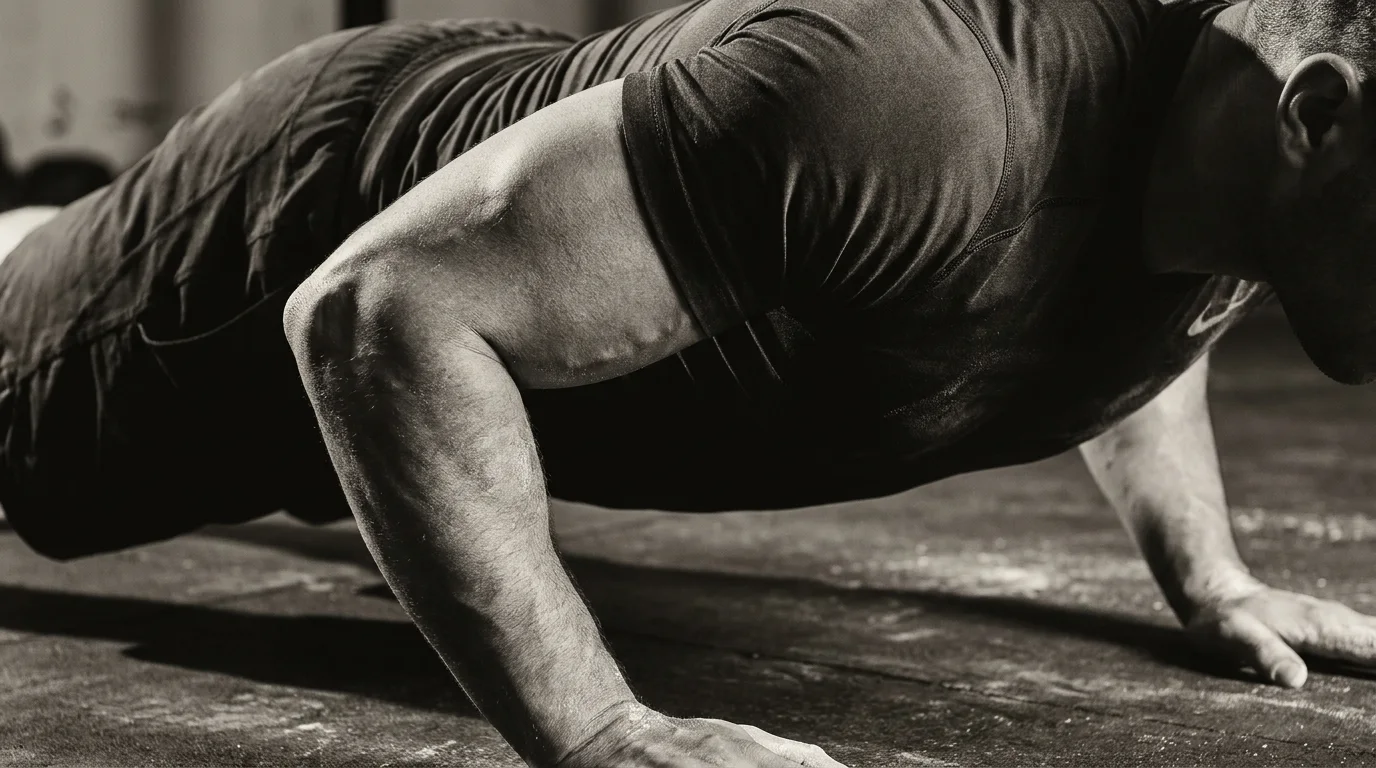
Know Your Chest: Anatomy, Equipment Variants, and Exercise Selection
Chest Anatomy Essentials: What Moves Make the Chest Grow
- The chest rests on the pectoralis major, with clavicular and sternocostal heads driving most pressing work. The pectoralis minor lies underneath and helps stabilize the shoulder blade as you push. The serratus anterior runs along the rib cage, aiding protraction and scapular control during pressing. Push vs press: push uses your body against gravity; a press moves resistance away from the chest.
Equipment Options for Home Workouts: Bodyweight, Dumbbells, Bands
- No equipment chest workout options include push-ups, incline push-ups, and varied hand positions, all controlled with tempo. Bodyweight chest exercises like push-ups require stable shoulders and core. With dumbbells at home, you can perform a dumbbell chest press at home and dumbbell fly variations to stretch and squeeze the chest. Bands add load too, with banded chest presses or banded push-ups that can adjust angle and resistance.
Progression Framework by Equipment: From Bodyweight to Weighted
- Start with bodyweight moves and tempo (e.g., slow descent, controlled rise). Use incline push-up progression to build capacity, then add dumbbells or bands for weighted pressing. Change leverages—feet elevated, or a higher incline—to target different fibers and keep progressing.
Structured At-Home Chest Programs: Beginner to Advanced (No Gym Needed)
No-Equipment Starter Routine (Bodyweight)
- This no equipment chest workout you can do at home requires no gear.
- 3 rounds: 8–12 push-ups; scale to knee push-ups or elevate hands on a chair for incline.
- Tempo: 3-second descent, 1-second pause, 2-second press.
Dumbbell-Focused Routine for Progressive Overload
- 3–4 sets of 8–12 dumbbell chest press at home (floor press if no bench).
- Accessory: 3×8–12 dumbbell floor flys.
- Progress chest workouts at home with dumbbells by increasing weight or reps.
Band-Assist and Hybrid Options to Expand Your Range
- 3 rounds: band chest presses 12–15, band flys 12–15; anchor height to vary resistance.
- Optional: band-assisted push-ups for extra volume; switch between bands.
Incline Push-Up Progressions: From Easy to Elite
- Incline push-up progression: start on a high surface, move to standard push-ups, then decline; add tempo or isometric holds to intensify.
Safety, Recovery, and Nutrition for Chest Hypertrophy at Home
Common Mistakes to Avoid (Shoulder Impingement, Scapular Instability)
- Elbows flare and shoulders hike; keep scapular stability and elbows about 45 degrees to the torso.
- Rush reps or limit range of motion; use a deliberate tempo (lower 3 seconds, pause 1 second, press 1–2 seconds).
- Let the upper back collapse or ribcage flare; cue a proud chest and stable scapula during each rep.
- If you’re asking what are the best push-up variations for chest at home? Start with standard, incline, and feet-elevated push-ups to manage load.
Recovery, Sleep, and Micro-Dorgs: Keeping Progress Consistent
- Allow about 48 hours between heavy chest sessions; add 1–2 light technique days focused on scapular control.
- Sleep 7–9 hours; stay hydrated; include thoracic spine mobility work.
- Minimal-equipment gym layouts: two dumbbells, a mat, and a sturdy floor let you perform presses, incline push-ups, and fly variations.
Nutrition for Chest Growth: Protein, Calories, and Timing
- Protein 1.6–2.2 g/kg/day; a small daily calorie surplus supports hypertrophy; spread protein across meals, consider a post-workout shake.
Tracking Progress and Making Smart Adjustments
- Log sets, reps, weight, and tempo; aim steady weekly progress and increase load or reps as tolerated.
Frequently asked questions
What is a good chest workout at home with no equipment?
Use bodyweight moves like push-ups and incline push-ups; perform 2–4 chest-focused moves per session, 3 sets of 6–12 reps, with a controlled tempo (lower 3 seconds, pause, press). Aim for 20–30 minutes, training about 3 days per week.
Can you build a strong chest at home without a gym?
Yes. You can build a strong chest at home using progressive bodyweight pushes (incline, standard, decline) and tempo work; add resistance with dumbbells or bands as you progress.
Which chest exercises are best for beginners at home?
Begin with incline push-ups, standard push-ups, and knee push-ups. If you have gear, add dumbbell floor presses or band presses, while keeping elbows around 45 degrees and a controlled tempo.
How can I safely progress chest workouts at home over time?
Progress gradually by increasing reps or sets, adding resistance with dumbbells or bands, or advancing to harder variations (higher incline, slower tempo) while maintaining form and scapular control.
About the authors
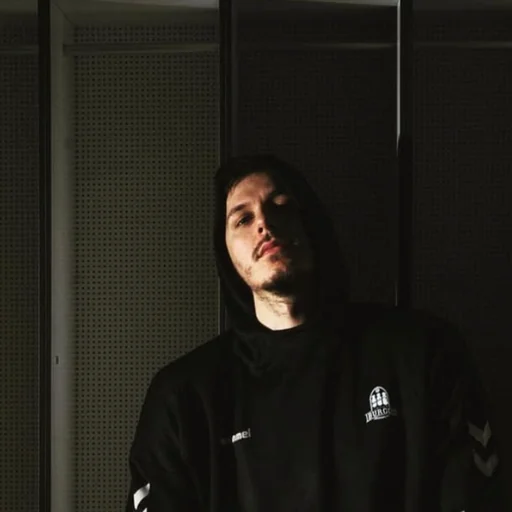
Goran Huskić
Co-founder · Professional basketball player
Goran Huskić is a Serbian professional basketball player — a 6'11" center currently playing for Monbus Obradoiro in Spain's Primera FEB. He won the 2019–20 Basketball Champions League with San Pablo Burgos and has competed professionally across Spain, Germany, Lithuania, Serbia and the United States. He co-founded PUSHapp to bring pro-level training discipline to everyday workouts.
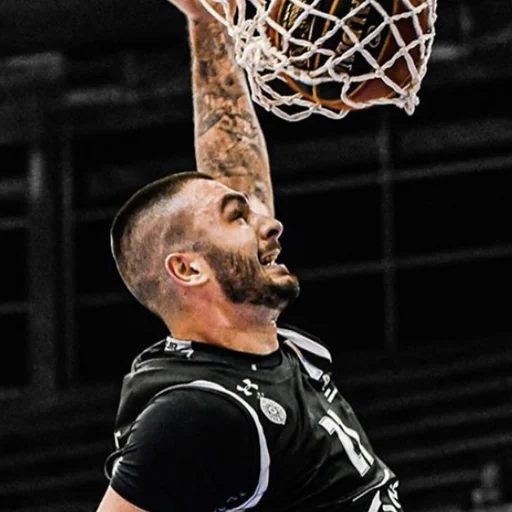
Nikola Janković
Co-founder · Former professional basketball player
Nikola Janković is a former professional basketball player — a 6'9" forward and the 2016–17 ABA League MVP — who played for Partizan, Union Olimpija and Mega, among others. Today he runs a pilates studio and gym focused on strength, mobility and overall wellbeing. He co-founded PUSHapp to make consistent, measurable training simple for everyone.