
Muscles & Benefits
What muscles do diamond pushups work
Discover what muscles do diamond pushups work, including pecs, triceps, and core, with EMG insights and progression tips.


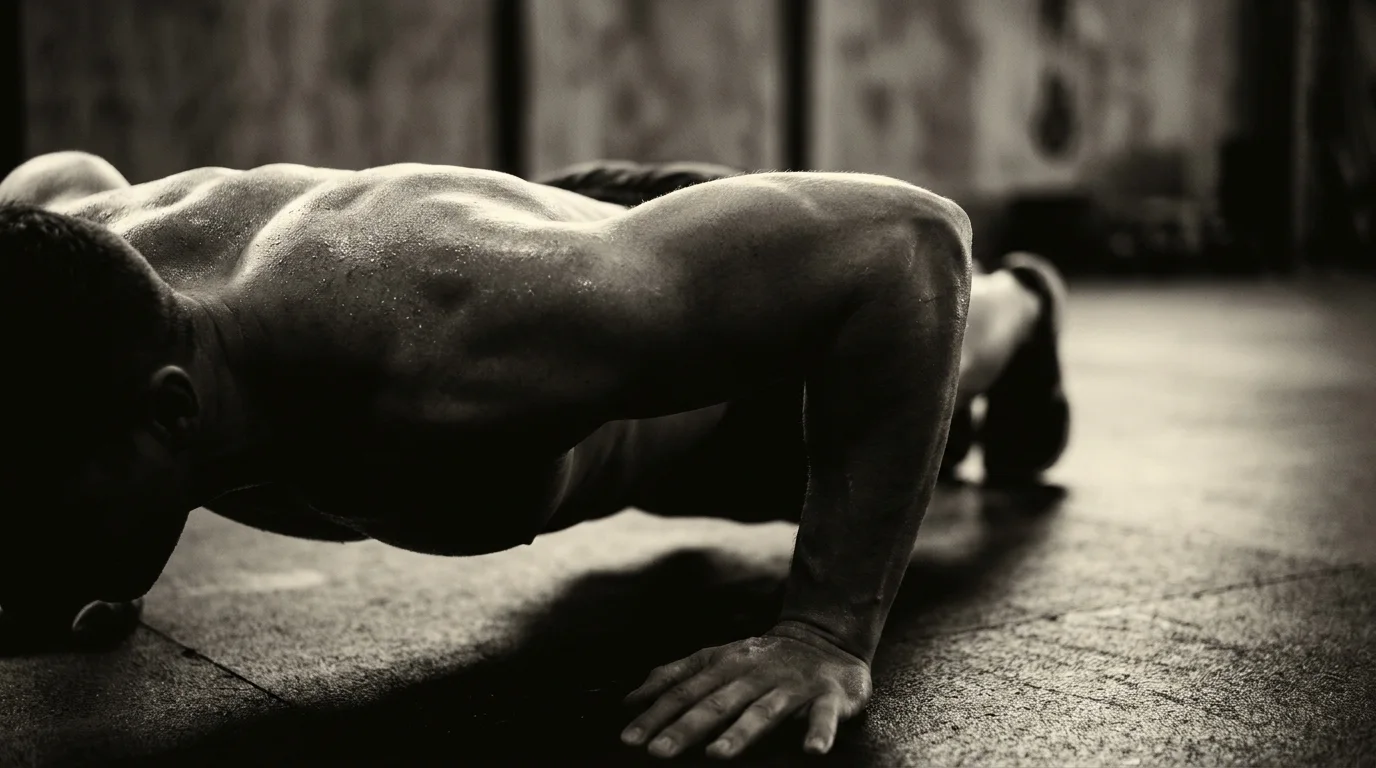
EMG Insights: Diamond Push-Ups vs Standard and Wide Variations
Overview of muscle groups involved
Truth is, several muscle groups light up across push-up variations. The pectoralis major (chest) is engaged in all three, but activation tends to be higher in standard and wide push-ups. The triceps push behind the elbow shows the clearest shift: diamond push-ups typically drive greater triceps activation. The anterior deltoids carry a meaningful share in every version, with diamond push-ups often placing a slightly larger emphasis due to the hand position. The core remains involved for stability in all grips, and the demand can rise a notch withDiamond-style hand placement.
What EMG data says about activation across variations
- Diamond push-ups muscles: strong triceps activation; pectoralis major activation is moderate, with ongoing chest involvement; anterior deltoids stay engaged; core bracing supports the narrow base.
- Standard push-ups: pectoralis major activation tends to be higher; triceps and anterior deltoids are active but typically lower than in diamond.
- Wide push-ups: chest-heavy pattern; high pectoralis major and anterior deltoids, with relatively lower triceps.
Limitations and interpretation of EMG studies
Small samples, varying protocols, and normalization methods temper direct comparisons. EMG shows relative activation, not exact force. Technique, tempo, and fatigue matter, so treat the findings as trends, not absolutes. Diamond push-ups vs standard push-ups muscle activation can shift with form, but the core remains a stabilizer across all variations.
Technique and Progression for Targeted Triceps and Chest Activation
Key setup and cues for proper form
- Hands form a small diamond directly under the sternum; wrists stay aligned under shoulders.
- Elbows stay close to the body, about 45 degrees from the torso.
- Retract and depress the shoulder blades; brace the core and maintain a neutral spine.
- Lower with control until the chest nearly touches the floor, then press up through the triceps.
- You’ll feel the triceps work most; the pectoralis major and anterior deltoids also activate, especially with a slight forward lean.
Beginner-to-advanced progression for diamond push-ups
- Incline diamond push-ups on a bench or box.
- Diamond push-ups from knees on the floor.
- Full-floor diamond push-ups with controlled tempo.
- Add a bottom pause or slower eccentric, then progress to feet elevated.
- Finish with occasional isometric bottom holds for grip on activation.
Tempo, reps, and performance metrics to monitor activation
- Tempo: 2 seconds down, 0–1 second pause, 1–2 seconds up.
- Reps: 6–12 per set; 3–4 sets; progress by reps or sets.
- Monitor elbow position and scapular stability; if shoulders pinch, reduce depth or incline temporarily.
Variations, Modifications, and Injury Considerations with Activation Metrics
Modifications for common injuries and pain points
- Shoulder pain: use incline diamond push-ups or perform on fists to keep wrists neutral; limit depth; progress to floor push-ups only if pain-free.
- Wrist issues: opt for neutral-wrist variants (fists or push-up bars) or switch to incline or wall push-ups; avoid deep flexion.
- General rule: if pain persists, swap in knee diamond push-ups or wall push-ups temporarily.
Safe substitutes and alternative push-up variations
- Incline diamond push-ups reduce load while preserving the diamond hand position.
- Decline push-ups are harder and emphasize the upper chest and shoulders; activation differs from diamond.
- For shoulder sensitivity, try wall push-ups or scapular push-ups as lighter options.
Tracking activation: tempo, reps, and progression metrics
- Tempo: aim for 3 seconds down, 1 second pause, 2 seconds up.
- Reps/sets and RPE: log reps, per-set fatigue, and any pain.
- Structured progression plan for diamond push-ups: incline diamond → knee diamond → full floor diamond; add tempo, then elevate feet or increase reps gradually; track activation metrics to pace progression.
Frequently asked questions
What muscles do diamond push-ups work?
Diamond push-ups shift load toward the triceps and inner chest, with the shoulders and core providing stability.
Do diamond push-ups target the chest or the triceps more?
They typically drive greater triceps activation than the chest compared with other push-up variations, though the chest remains engaged.
Are diamond push-ups suitable for beginners?
Yes. Use progressions like incline diamond push-ups or diamond push-ups from the knees before moving to full-floor reps with controlled tempo.
How does muscle activation differ between diamond and standard push-ups?
Diamond push-ups emphasize the triceps (and still engage the anterior deltoids), while standard push-ups tend to elicit higher pectoralis major (chest) activation; core engagement is present in both.
About the authors

Goran Huskić
Co-founder · Professional basketball player
Goran Huskić is a Serbian professional basketball player — a 6'11" center currently playing for Monbus Obradoiro in Spain's Primera FEB. He won the 2019–20 Basketball Champions League with San Pablo Burgos and has competed professionally across Spain, Germany, Lithuania, Serbia and the United States. He co-founded PUSHapp to bring pro-level training discipline to everyday workouts.

Nikola Janković
Co-founder · Former professional basketball player
Nikola Janković is a former professional basketball player — a 6'9" forward and the 2016–17 ABA League MVP — who played for Partizan, Union Olimpija and Mega, among others. Today he runs a pilates studio and gym focused on strength, mobility and overall wellbeing. He co-founded PUSHapp to make consistent, measurable training simple for everyone.