
Muscles & Benefits
Diamond Pushups Benefits: Build Triceps & Chest
Explore diamond pushups benefits, proper form, and variations to maximize chest and triceps gains while protecting shoulders.


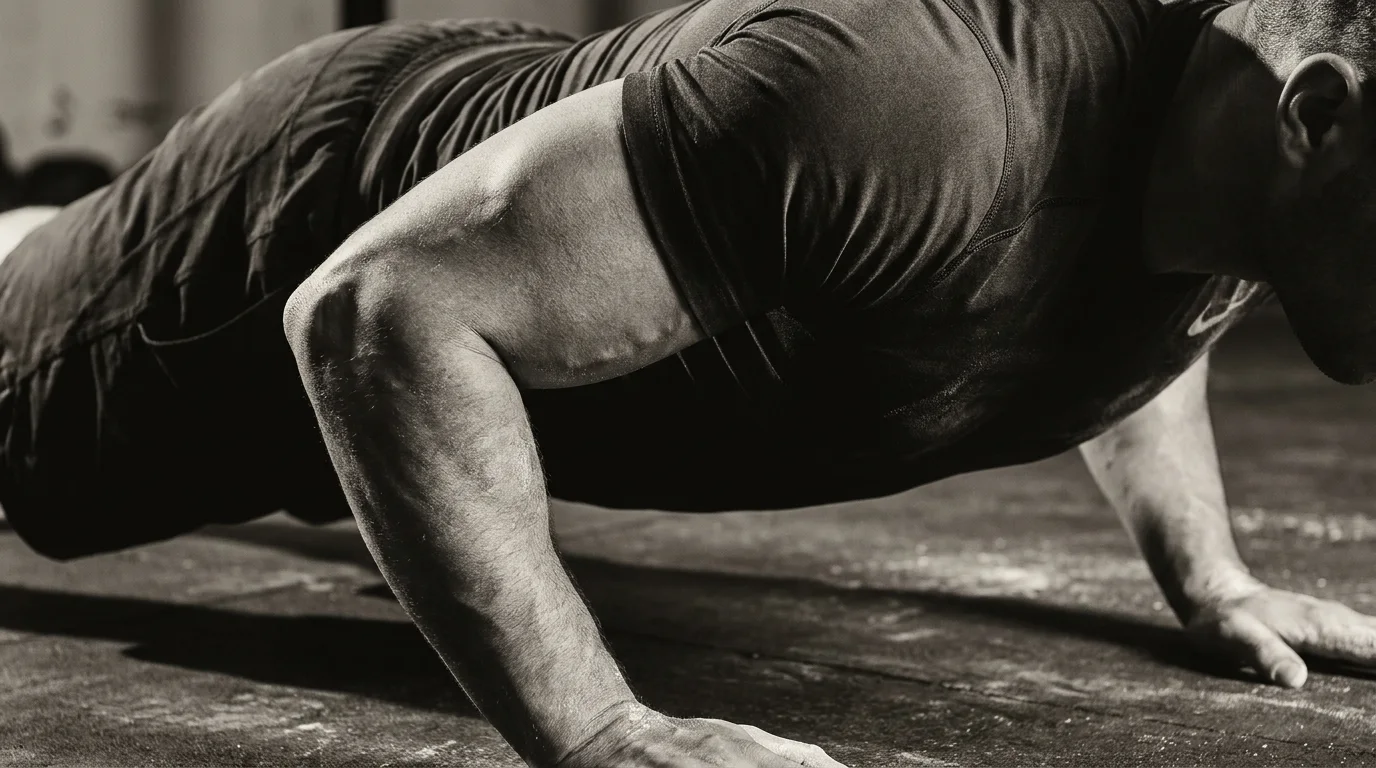
Diamond pushups benefits: triceps, chest, and functional gains
Why diamond pushups are effective for arms and chest
The compact hand position shifts load toward the triceps and inner chest. In diamond push-up form, place your hands close under your sternum and keep elbows tucked. Some call it a triceps push-up. What are the benefits of diamond pushups for arms and chest? They emphasize the triceps while still engaging the chest at a different angle than a standard pushup.
Muscle groups activated and activation patterns
Primary muscles are the triceps brachii and the pectoralis major inner fibers. The front deltoids, serratus anterior, and core support the movement. Keeping your torso rigid and elbows guiding backward helps lock in the activation.
Functional and practical benefits: stability, endurance, and portability
Diamond pushups build pressing strength that transfers to daily tasks, require no equipment, and train shoulder stability and rib cage control.
Who benefits most and how to include them in a routine
Great for anyone seeking more arm and chest work with minimal gear. Start 2 sets of 6-8 reps, 2 to 3 times weekly, then progress to 3 sets of 8-12 reps and add full diamond pushups as form allows.
Diamond push-up form, scapular movement, and technique
Diamond hand position and scapular control
- Place your hands in a diamond under the chest, thumbs and index fingers touching.
- Elbows stay close to the rib cage, not flaring out.
- Wrists align under the shoulders; chest and upper back stay open.
- Keep shoulder blades depressed and slightly retracted, bracing the core. You will feel the chest and triceps working.
Step-by-step execution: start position, lowering, pressing
- Start: tall plank, diamond under chest, feet hip width, spine neutral.
- Lowering: elbows bend to about 45 degrees, chest moves toward the floor, hips level.
- Pressing: push through the palms, extend elbows, return to start with control.
Breathing, tempo, and range of motion
- Inhale on the way down, exhale as you push up.
- Tempo: two seconds down, one second up.
- Range of motion: go to a comfortable depth that keeps the spine solid.
Common form faults and fixes
- Elbows flare: guide elbows to 45 degrees and engage the lats.
- Hips sag: brace the core and glutes, keep a straight line.
- Neck strain: keep a neutral gaze.
Isometric diamond push-up: setup and cues
- Hold at mid to bottom range for 2 to 4 seconds, maintaining scapular control.
- Breathe, stay in a solid plank, and finish with a controlled press back to the start.
Diamond push-up variations, progressions, and workout programming
Beginner progressions and regression options
Start with kneeling diamond push-ups on the floor, hands in a diamond and knees on a mat. Keep hips aligned, core braced, and elbows close to the ribs. Aim for 6 to 8 controlled reps. Move to incline diamond push-ups with hands on a bench or step to reduce load, then to standard diamond push-ups on the toes when form stays solid. If you struggle with depth, regress rather than push through sloppy alignment. Diamond push-ups form for beginners centers on control and steady shoulder tracking.
Weighted and banded diamond push-ups: setup, cues, and safety
For weighted diamond push-ups, wear a weight vest or place a plate on your upper back and keep the diamond linked hands, neutral spine, and locked core. Progress reps and avoid tilting the hips. With banded diamond push-ups, loop a resistance band behind you and under the hands to add resistance. Focus on the same diamond position, brace the upper back, and start with a light band to maintain form.
Tempo, reps, and programming: how to fit into workouts
Plan 2 to 3 diamond push-up sessions per week. Use 3 to 4 sets of 6 to 12 reps, adjusting to your strength level. Tempo can be 2 seconds down, 0 hold, 1 second up, or slower for control. Pair with other pushing and pulling moves to balance the workout.
Travel-friendly options and space considerations
Use a hotel bed edge or chair for incline diamond push-ups when space is limited. You can do floor or incline variations in a hallway, stairs, or a small hotel gym. Keep the diamond hand position tight and the core braced, then progress when you can maintain form. Travel-friendly diamond push-ups stay effective with minimal gear.
Frequently asked questions
What are the benefits of diamond pushups?
They emphasize the triceps while still activating the chest and core due to the tight hand position that narrows the line of force. The move is compact, fits upper body days, and scales with your strength.
Do diamond pushups really target the triceps more than regular pushups?
Yes, the compact hand position shifts load toward the triceps and inner chest, increasing demand on the triceps while still engaging the chest.
How do you perform a proper diamond push-up?
Place your hands in a diamond under your chest with elbows tucked and wrists under the shoulders. Keep a straight line from head to heels, brace your core, lower with a controlled descent and press back up on the exhale, using a tempo of two seconds down and one second up, and go to a depth that keeps the spine solid.
How can I incorporate diamond pushups into a weekly workout plan?
In a simple weekly plan, include diamond pushups as a primary triceps and chest movement during 2 to 3 upper body sessions, doing 3 to 4 sets of 6 to 12 reps and adjusting for form and fatigue.
About the authors

Goran Huskić
Co-founder · Professional basketball player
Goran Huskić is a Serbian professional basketball player — a 6'11" center currently playing for Monbus Obradoiro in Spain's Primera FEB. He won the 2019–20 Basketball Champions League with San Pablo Burgos and has competed professionally across Spain, Germany, Lithuania, Serbia and the United States. He co-founded PUSHapp to bring pro-level training discipline to everyday workouts.
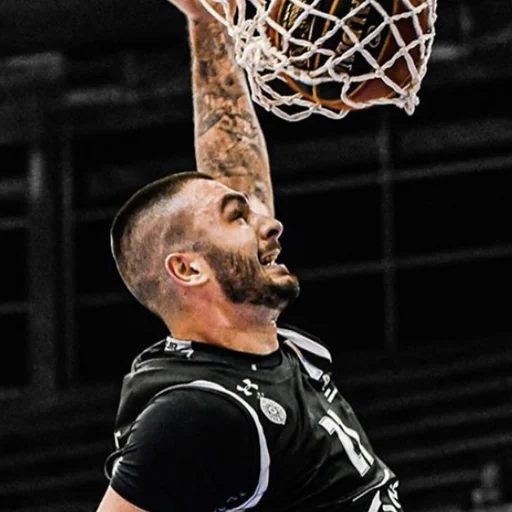
Nikola Janković
Co-founder · Former professional basketball player
Nikola Janković is a former professional basketball player — a 6'9" forward and the 2016–17 ABA League MVP — who played for Partizan, Union Olimpija and Mega, among others. Today he runs a pilates studio and gym focused on strength, mobility and overall wellbeing. He co-founded PUSHapp to make consistent, measurable training simple for everyone.