
Muscles & Benefits
What muscles do wide pushups work: Activation Guide
Discover what muscles do wide pushups work and how hand width changes chest, shoulder, and core activation with EMG insights and practical tips.


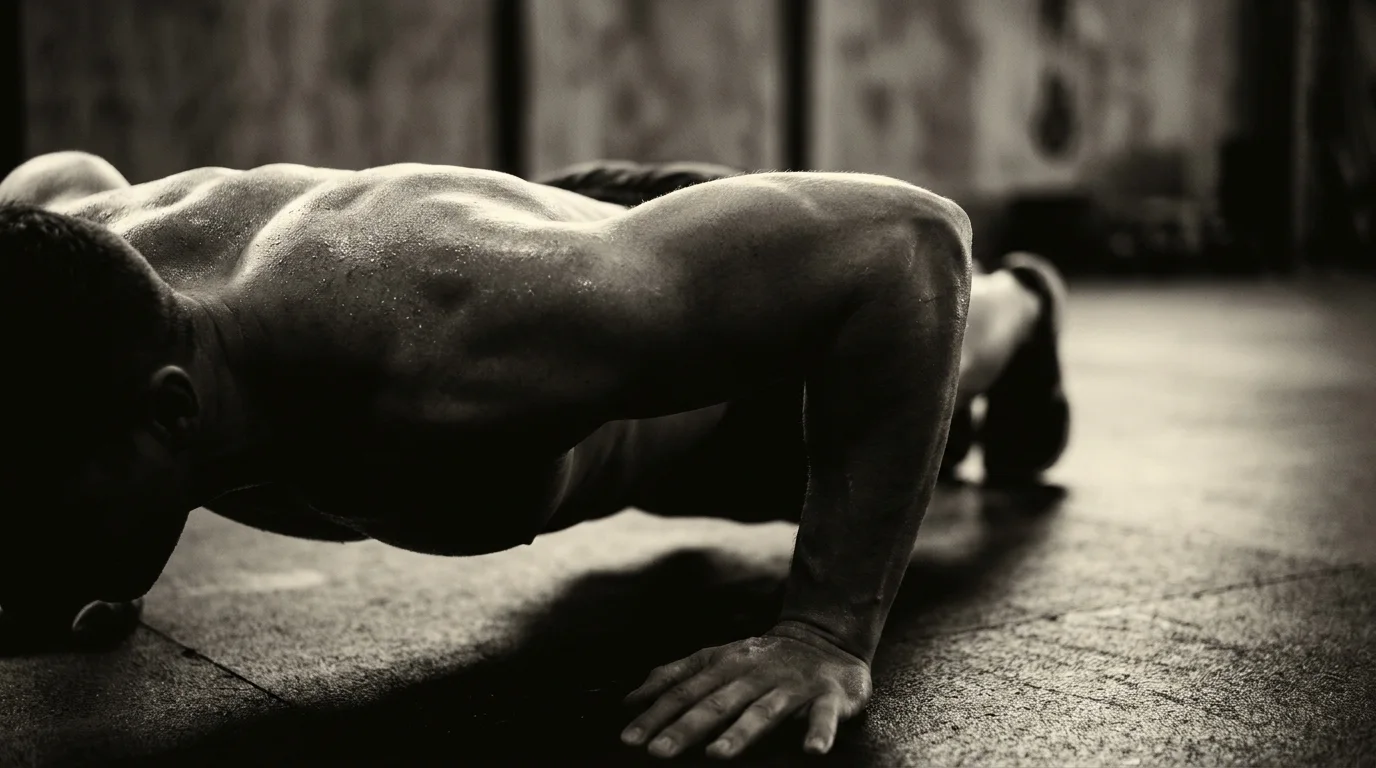
Wide push-ups vs. standard: which muscles are activated and why
Pectoral engagement and chest width
- Wide hand placement, roughly 1.5–2 times shoulder width, increases pectoralis major activation as the chest works across a broader horizontal adduction.
- EMG studies comparing wide and standard push-ups show greater pectoral engagement with the wide variant.
Shoulder and triceps contributions
- A wider stance shifts some demand away from the triceps toward the chest, while the anterior deltoids help stabilize the shoulder in the wider position.
- Compared with standard push-ups, wide push-ups often show slightly lower triceps activation, highlighting the chest's role.
Serratus anterior and scapular stabilizers
- The wider position requires stronger scapular protraction, boosting serratus anterior activation to keep the shoulder blades stable during movement.
Trunk and spine stabilization
- A solid core and neutral spine remain essential; wide push-ups demand steady bracing to prevent sagging as the chest muscles dominate.
EMG patterns and technique: how hand width changes activation across the push-up
EMG methodology and interpretation
EMG studies record muscle electrical activity and normalize RMS values to MVIC (maximal voluntary isometric contraction), so data between people and sessions line up. This RMS MVIC EMG normalization push-ups approach lets us compare wide vs standard widths across individuals and training blocks.
Influence of elbow angle and scapular plane
A wider hand position shifts the elbow further from the body, increasing pectoralis activation and serratus anterior demand while challenging scapular stabilizers to hold the ribcage steady. This shows the elbow angle impact on muscle activation: the triceps may be relatively reduced and the deltoids help keep the humerus aligned in the scapular plane.
Palmar width vs hand width: practical measurement
Grip width matters more than you might think: palmar width can differ from your actual hand width. A wider palmar width tends to heighten pectoral activation; use a reproducible measurement to cue width changes in sessions, and keep wrists neutral.
Practical guide: progression, regression, and population considerations for wide push-ups
Assessing hand width and palmar width: measurement methods
- Use a soft tape; with palms flat, measure the distance across the palms. Palmar width measurement in practice helps tailor hand placement.
- Compare to shoulder width and pick a starting wide position that preserves scapular control.
Progression and regression pathways
- Start with incline wide push-ups; progress to floor wide push-ups.
- Add load with Elevated feet incline knee wide push-ups progression.
- Regression: wall or knee push-ups in the same wide stance; use a controlled tempo.
Population-specific considerations and safety
- Beginners: shorter ROM, slower tempo; monitor comfort.
- Older adults: stable spine, avoid overreach; use knee/incline variants.
- Shoulder impingement risk wide push-ups: avoid excessive width; prioritize scapular control.
- Erector spinae activation trunk stability wide push-ups can occur as you brace the core.
Programming tips: integrating wide variants into training
- Which muscles are activated by wide push-ups? Bias chest and anterior deltoids; ensure form.
- How does hand width affect muscle engagement in push-ups? Train in small width increments.
- Pusher activation wide push-ups progression regression offers a simple framework. Progression cue: Elevated feet incline knee wide push-ups progression.
Frequently asked questions
Which muscles are most activated by wide push-ups compared with standard push-ups?
Wide push-ups increase activation of the pectoralis major (chest) and, with a wider stance, recruit the serratus anterior and anterior deltoids more. They tend to have slightly lower triceps activation than standard push-ups.
Does increasing hand width affect serratus anterior or shoulder muscle engagement during push-ups?
Yes. A wider hand position requires stronger scapular protraction, boosting serratus anterior activation and challenging shoulder stabilizers, while the anterior deltoids help keep the humerus in the scapular plane.
Are wide push-ups safe for shoulder joints, or do they place more load on the shoulders?
They can place more load on the shoulders; start with a controlled grip just outside shoulder width, and regress to incline or raised surfaces if you experience shoulder pain or pinching.
About the authors

Goran Huskić
Co-founder · Professional basketball player
Goran Huskić is a Serbian professional basketball player — a 6'11" center currently playing for Monbus Obradoiro in Spain's Primera FEB. He won the 2019–20 Basketball Champions League with San Pablo Burgos and has competed professionally across Spain, Germany, Lithuania, Serbia and the United States. He co-founded PUSHapp to bring pro-level training discipline to everyday workouts.

Nikola Janković
Co-founder · Former professional basketball player
Nikola Janković is a former professional basketball player — a 6'9" forward and the 2016–17 ABA League MVP — who played for Partizan, Union Olimpija and Mega, among others. Today he runs a pilates studio and gym focused on strength, mobility and overall wellbeing. He co-founded PUSHapp to make consistent, measurable training simple for everyone.