
Muscles & Benefits
Pike Pushups Benefits: Target Shoulders & Core
Learn the pike pushups benefits, muscles targeted, proper form, progression tips, and how they compare to decline push-ups for shoulder strength.


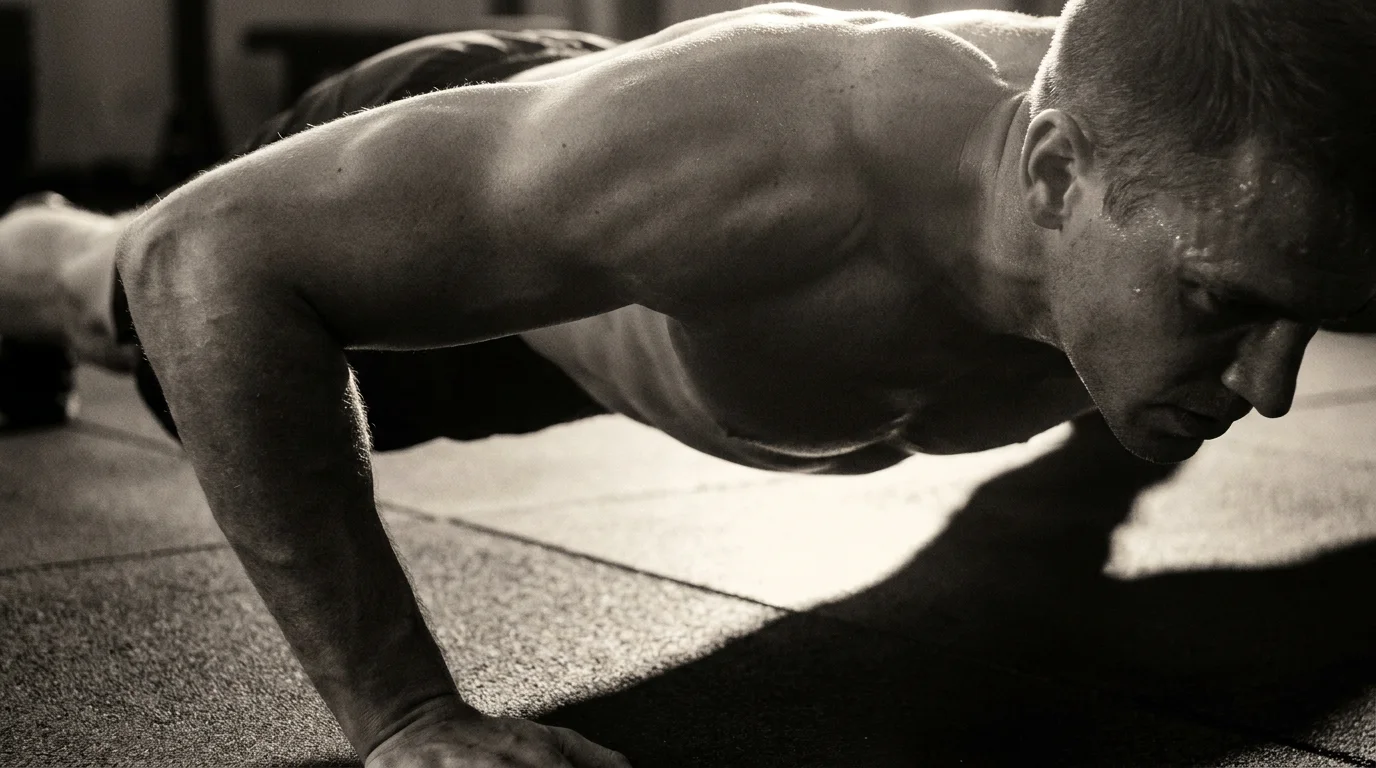
What Pike Push-Ups Target and Why They Matter
Muscles Worked
- Primary: anterior deltoids and the upper chest (clavicular head), with the triceps driving the press.
- Pike push-up muscles worked also rely on serratus anterior and scapular stabilizers, plus a braced core to hold alignment.
- How to do pike push-up: start in a pike position (hips high, feet about shoulder-width), lower by bending elbows, then press back up.
Benefits for Shoulder Health and Posture
- Promotes controlled scapular movement—depression, upward rotation, and protraction—supporting shoulder mechanics and pike pushups benefits for shoulder health.
- Builds posture-friendly strength when you press from a tall, braced torso.
- Use a comfortable range of motion to protect joints; scale height as you gain control.
Role in Overhead Pressing and Core Stability
- Creates a solid overhead-pushing pattern that carries into dumbbell/barbell pressing.
- Demands braced core and hip stability, boosting overall core work.
- Progressions and variations matter: pike push-up progression from incline or wall, then move toward a floor version; consider pike push-up variations and compare with pike push-up vs decline push-up to match goals.
Pike Push-Ups Programming: Sets, Reps, Progressions, and Shoulder-Safe Cues
Starting Point for Beginners
- Pike push-up progression for beginners: start with incline pike push-ups (hands on a bench) to build scapular control and core bracing. 3–4 sets of 6–8 reps.
- Focus on shoulder health and form cues: keep hips high in a true pike, ribs down, and shoulders away from the ears.
Progression Timeline (4–8 Weeks)
- How to do pike push-up: move from incline to floor as comfort grows, then lower to a deeper pike. 3–5 sets of 3–6 reps for strength; 3–4 sets of 8–12 for hypertrophy; 2–3 sets of 12–20 for endurance.
- Over 4–8 weeks, gradually increase load and depth while maintaining control.
Shoulder-Safe Cues and Common Faults (with Fixes)
- Video-ready cues: hips high, spine neutral, gaze between hands, elbows ~45°, and scapula depressed before pressing.
- Common faults: hips sag, elbows flare, neck tenses. Fixes: reset scapula, shorten the range, and slow the tempo.
Regression Options and Prerequisites
- Regression options for pike push-ups: knee-pike push-ups or higher incline setups; prerequisites: solid basic push-up form and comfortable shoulder ROM without pain.
Pike Push-Ups vs Other Vertical Pushes: When to Choose, Variations, and Regressions
Pike Push-Ups vs Decline Push-Ups
Pike push-ups load the shoulders and upper back more directly, while decline push-ups emphasize the upper chest and triceps with less shoulder elevation. Which muscles do pike push-ups work? Primarily the front deltoids, upper traps, and triceps, with some upper chest involvement. Choose pike push-ups when your goal is overhead pressing strength and deltoid development. If you want chest emphasis and a lighter shoulder demand, start with decline push-ups. Progression paths typically go incline push-ups → pike push-ups → handstand push-ups. Regression options for injuries or limited mobility include regression to elevated incline push-ups or wall-supported pike holds, and reducing range of motion as needed.
Pike Push-Ups vs Handstand Push-Ups
Handstand push-ups demand balance, core tension, and wrist tolerance; use them only after solid pike push-ups. Opt for handstand progressions when you want true vertical pressing strength and athletic shoulder stability. Regression options include wall walks into partial ROM handstands or staying at a controlled pike push-up progression.
Choosing the Right Variation Based on Goals and Constraints
If you want shoulder strength with moderate risk, start with pike push-ups and advance to handstand push-ups as mobility improves. For limited shoulder mobility or wrist pain, lean on elevated incline press and incline push-ups, or use shorter ROM pike variations. This sequence helps you train the same muscle groups safely while advancing your pressing capabilities.
Frequently asked questions
What is a pike push-up?
A pike push-up is a shoulder-dominant push-up performed with the hips raised in a pike position, lowering by bending the elbows and pressing back up. The pike position shifts load toward the shoulders and upper back, strengthening the deltoids and upper body for overhead work.
What muscles do pike push-ups work?
Primary: anterior deltoids and the upper chest (clavicular head), with the triceps driving the press. They also engage serratus anterior, scapular stabilizers, and a braced core to maintain alignment.
How do Pike Push-Ups differ from decline push-ups?
Pike push-ups load the shoulders and upper back more directly, while decline push-ups emphasize the upper chest and triceps with less shoulder elevation. Progressions typically move from incline to pike push-ups toward more advanced variations like handstand push-ups, depending on your goals.
Can you regress pike push-ups if you can't do them yet?
Yes. Use knee-pike push-ups or higher incline setups, and ensure you have solid basic push-up form and comfortable shoulder ROM before progressing.
About the authors

Goran Huskić
Co-founder · Professional basketball player
Goran Huskić is a Serbian professional basketball player — a 6'11" center currently playing for Monbus Obradoiro in Spain's Primera FEB. He won the 2019–20 Basketball Champions League with San Pablo Burgos and has competed professionally across Spain, Germany, Lithuania, Serbia and the United States. He co-founded PUSHapp to bring pro-level training discipline to everyday workouts.

Nikola Janković
Co-founder · Former professional basketball player
Nikola Janković is a former professional basketball player — a 6'9" forward and the 2016–17 ABA League MVP — who played for Partizan, Union Olimpija and Mega, among others. Today he runs a pilates studio and gym focused on strength, mobility and overall wellbeing. He co-founded PUSHapp to make consistent, measurable training simple for everyone.