
Muscles & Benefits
What Muscles Do Decline Pushups Work? Explained
Discover what muscles do decline pushups work, including primary and secondary targets, with form tips and progressions.


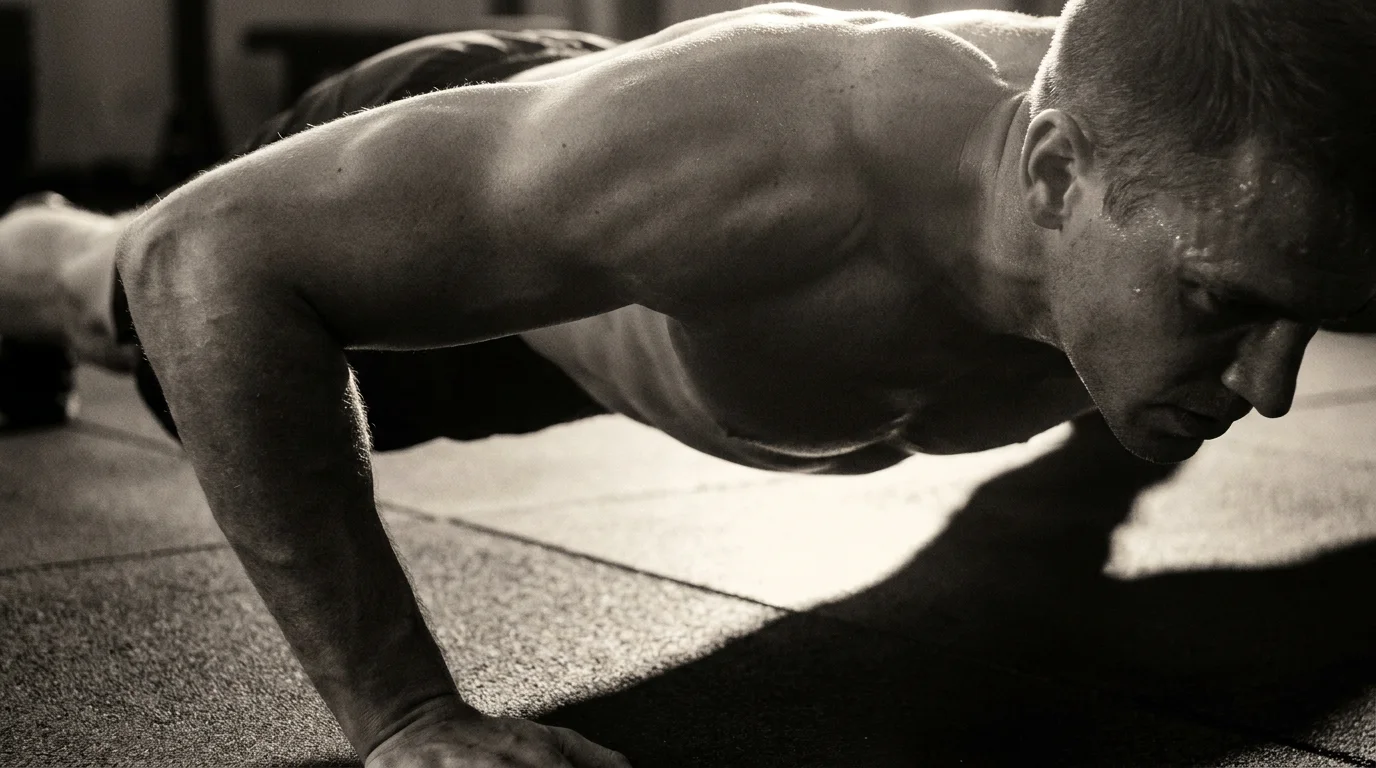
Targeted Muscles and Activation: What Decline Pushups Load
Primary and secondary muscle targets
- Primary: pectoralis major clavicular head (upper chest) and the anterior deltoid. These two work hardest as you push from a declined position.
- Secondary: remaining chest fibers (sternal head), the triceps, and scapular stabilizers such as the serratus anterior. You’ll also recruit supporting muscles to keep the shoulder blade stable.
Elbow angle, scapular bracing, and movement influence on activation
- Elbow angle: keeping the elbows closer to the torso tends to boost upper chest and front-shoulder demand, while wider elbows shift more load to the shoulders.
- Scapular bracing: pull the shoulder blades down and back, but don’t flatten your arches—maintain a steady, braced chest to support the movement.
- Movement influence: tempo and depth matter. Controlled, full-depth reps increase activation of the decline push-up muscles without sacrificing form.
Technique and Setup: Elbow Angle, Bracing, and Alignment
Elbow angle 45 degrees: cues and common pitfalls
- Lower with elbows tracking about 45 degrees from your torso; hands stay under or slightly forward of shoulders.
- Let the chest lead and avoid letting the hips sag.
- Pitfalls: elbows flaring to 90 degrees or tucking in too close; both can strain the shoulders.
- If you feel shoulder pinching, adjust angle or depth.
Feet height and hand placement: how high should you elevate the feet
- Elevate on a stable surface; start around 12–18 inches (30–45 cm) and progress as you gain strength.
- Hands slightly wider than shoulder width, fingers forward, wrists aligned with elbows.
- Maintain a straight line from head to heels; don’t lock the knees.
- Note: what muscles do decline pushups work? Decline push-up muscles are recruited—mainly the pectoralis major clavicular head, anterior deltoid, and triceps.
Hip and core bracing: preventing sag and arch during reps
- Brace from head to heels: tight abs, glutes, and legs to hold a solid line.
- Keep shoulder blades pulled down and together (scapular bracing) while maintaining a neutral spine.
- If hips drift, reset and re-engage.
Progressions, Variations, and Activation Nuances
Progression ladder: bench height, tempo cues, and rep goals
- Level 1 (low decline): feet on a small bench, hands on floor; tempo 2 seconds down, 1-second bottom pause, 2 seconds up; 6–8 reps.
- Level 2 (moderate decline): feet on a medium bench; tempo 2-0-2; 8–12 reps.
- Level 3 (high decline): feet on a high bench; tempo 3-0-2; 6–10 reps. Add a 1-second hold at the bottom for extra time under tension.
- Level 4 (max load): use the highest feasible setup with controlled reps, 4–6 reps, occasional tempo resets.
If you’re answering what muscles do decline pushups work, expect strong upper-chest and shoulder involvement as you climb.
Variations and when to use them (incline, diamond, pike, and full decline)
- Incline pushups: hands elevated; easier, great for technique and warmups.
- Diamond pushups: hands close; shifts emphasis to inner chest and triceps.
- Pike pushups: hips high; more anterior deltoid focus.
- Full decline: feet highest, greatest upper-chest load; monitor form to protect the shoulders.
In short, decline push-up muscles light up the upper chest and clavicular head, while the anterior deltoid drives the ascent.
Activation notes: serratus anterior and pectoralis minor
- Serratus anterior: prompts protraction as you push, stabilizing the scapula. Cue: “squeeze forward.”
- Pectoralis minor: supports scapular control; keep the chest open and shoulder blades stable.
How decline compares to incline pushups: decline pushes boost upper-chest activation decline push-ups and anterior-deltoid demand, whereas incline variants favor different angles with less load on the upper chest.
Frequently asked questions
Which muscles do decline push-ups work the most?
Primary: pectoralis major clavicular head (upper chest) and the anterior deltoid. Secondary: remaining chest fibers, the triceps, serratus anterior, and scapular stabilizers.
Do decline push-ups emphasize the upper chest more than standard push-ups?
Yes — decline push-ups shift load toward the upper chest and front shoulders compared with standard push-ups, while still engaging the core for bracing.
How do you perform a decline push-up correctly (step-by-step form)?
Set feet on a stable elevated surface about 12–18 inches high, hands under or slightly forward of shoulders, with a straight head-to-toe line. Keep elbows about 45 degrees from your torso, brace your core and shoulder blades, lower with control and press back up.
What are the key benefits of including decline push-ups in a workout?
They target the upper chest and front shoulders without overloading the wrists, while improving core bracing and scapular stability for safer, more effective upper-body training.
About the authors

Goran Huskić
Co-founder · Professional basketball player
Goran Huskić is a Serbian professional basketball player — a 6'11" center currently playing for Monbus Obradoiro in Spain's Primera FEB. He won the 2019–20 Basketball Champions League with San Pablo Burgos and has competed professionally across Spain, Germany, Lithuania, Serbia and the United States. He co-founded PUSHapp to bring pro-level training discipline to everyday workouts.
Nikola Janković
Co-founder · Former professional basketball player
Nikola Janković is a former professional basketball player — a 6'9" forward and the 2016–17 ABA League MVP — who played for Partizan, Union Olimpija and Mega, among others. Today he runs a pilates studio and gym focused on strength, mobility and overall wellbeing. He co-founded PUSHapp to make consistent, measurable training simple for everyone.