
Muscles & Benefits
Wall Pushups Muscles Worked: Targeted Chest & More
Learn which muscles wall pushups muscles worked target, how they compare to standard pushups, and beginner-friendly progressions.


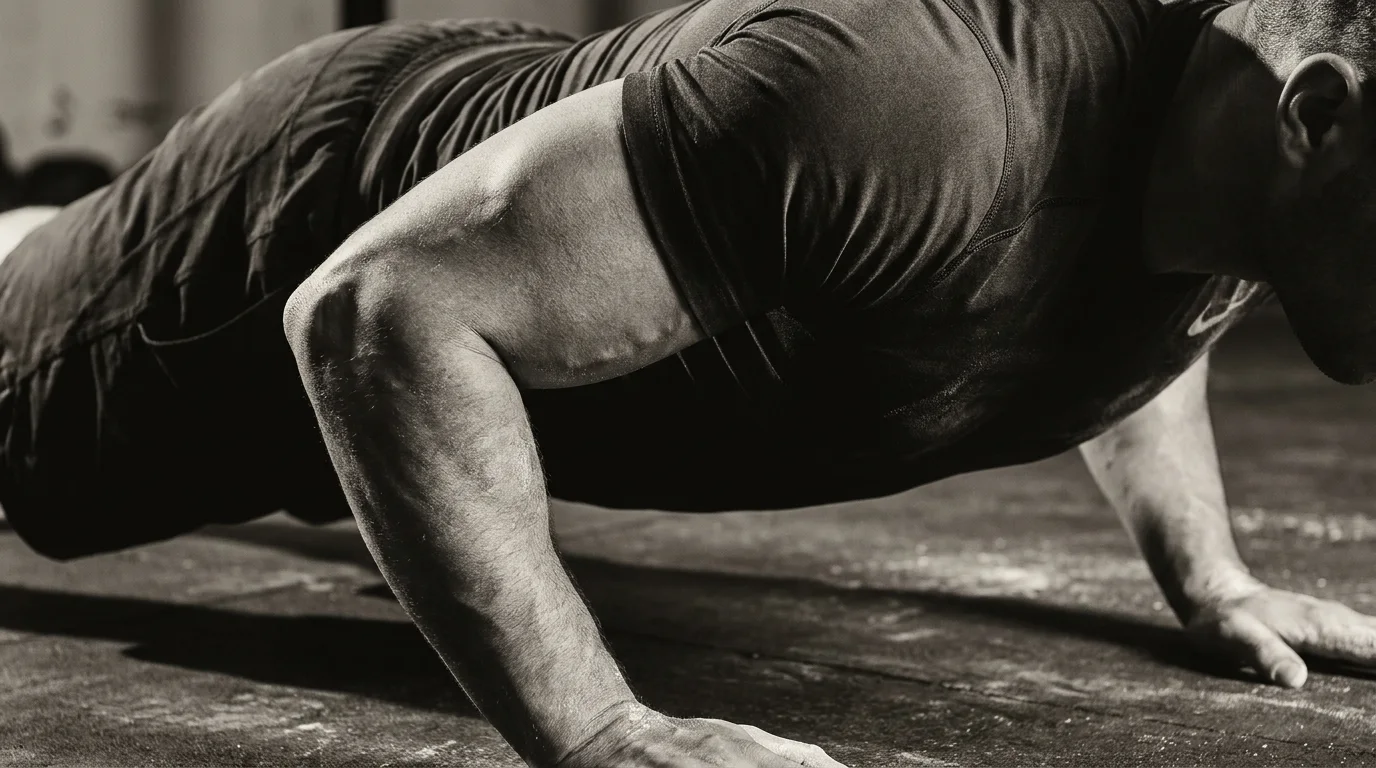
Understanding the Muscles Worked by Wall Pushups
Primary muscle groups
Wall pushups muscles worked center on the chest and front shoulder. The pectoralis major (both clavicular and sternal heads) powers the press, with the anterior deltoid providing support. The triceps help lock out at the end. You’ll also recruit the serratus anterior along the rib cage to stabilize the shoulder blade, which matters for which muscles are worked by wall pushups and for which muscles are targeted by wall pushups.
Stabilizers and core
Even with an incline, the shoulder girdle and rotator cuff work to keep the joint steady. Scapular muscles (rhomboids, middle trapezius) help control movement as you press and return. The core engages to hold a straight line—abs braced, glutes active, ribcage level—so you feel the work through your midsection in wall pushups form.
Posture, wrist alignment, and elbow position
Set your feet hip-width apart, torso tall, and hands about shoulder-width on the wall. Elbows tucked roughly 45 degrees to the torso; wrists neutral, not bent back. Maintain downward shoulder blades as you press away, then reset without letting the shoulders shrug.
From Wall Pushups to a Full Pushup: Progression, Timeline, and Technique Cues
Step-by-step progression (weeks 1–8)
- Week 1: Wall pushups. 2–3 sets of 8–10 reps. If you’re wondering how to perform a wall pushup correctly, stand with feet under you, hands on the wall at shoulder height, and push your chest toward the wall while keeping your body in a straight line.
- Week 2: Increase load by stepping feet back slightly. 3 sets of 10–12 reps.
- Weeks 3–4: Move to incline pushups on a bench or table. 3x8–12. Focus on controlled descent and a solid plank.
- Weeks 5–6: Knee pushups on the floor. 3x8–12. Maintain a straight spine and active core.
- Weeks 7–8: Standard pushups on toes. 3–4x6–10, progressing to 4x8–12 as form holds.
Technique cues (elbows, scapula, wrists, core)
- Elbows: tuck and bend to about 40–60 degrees from your sides.
- Scapula: retract slightly at the top, protract at the bottom.
- Wrists: stack under shoulders, neutral grip.
- Core: brace, hips level, avoid sagging.
Metrics and progression checkpoints
- End Week 2: 2–3 sets of 12 on wall pushups with good form.
- End Week 4: 3x12 incline pushups.
- End Week 6: 3x12 knee pushups.
- End Week 8: 4x8–12 standard pushups.
Variations, Common Mistakes, and Safety for Wall Pushups
Variations to adjust load and target
- Close hands: bring hands in toward the center to bias the triceps and inner chest; keep elbows tucked at about 45 degrees.
- One-arm wall push-up: shift most weight to one arm, other hand rests on your hip; switch sides to balance strength.
- One-leg wall push-up: lift one leg off the floor to raise the core demand; alternate sides.
- Feet on the wall: place your feet on the wall behind you to increase incline, core challenge, and shoulder engagement; start with feet lower and adjust higher as you gain control.
- Width and stance: start wide for easier load, narrow for more challenge as you progress.
Common mistakes and practical fixes
- Hips sagging: engage abs and glutes; imagine a straight line from head to heels.
- Elbows flaring beyond 90 degrees: keep elbows at about 45 degrees to the torso.
- Neck tension or looking up: gaze slightly downward to keep the neck neutral.
- Rushing reps: slow down the descent (2–3 seconds) and press up with a steady breath.
- Hands too low or high: adjust hand height so wrists align under shoulders.
Injury considerations and suitability
- Shoulder conditions: start with a higher incline (closer to the wall) and avoid deep ROM; stop if pain persists.
- Knee conditions: wall pushups are relatively knee-friendly—keep hips level and avoid locking the knees; adjust ROM as needed.
- Wrist discomfort: try a fist or wrist-friendly padding, and adjust hand position to reduce pain.
- If you have a recent injury or surgery, consult a clinician before adding these variations.
Frequently asked questions
What muscles do wall pushups work?
They primarily target the chest and front shoulders—pectoralis major (clavicular and sternal heads) and the anterior deltoid—with the triceps assisting. The serratus anterior and scapular stabilizers (rhomboids, middle trapezius) help control the shoulder blades, and the core braces to keep your body in a straight line.
How do you perform a proper wall pushup?
Stand with feet hip-width apart and hands on the wall at shoulder height. Keep your body in a straight line, elbows tucked about 40–60 degrees, wrists stacked under your shoulders, then press your chest toward the wall and return.
Are wall pushups easier than standard pushups?
Yes. Wall pushups are a lower-load variation that you can progress from by stepping feet back, moving to incline, then knee pushups, and finally a full pushup.
What are common mistakes when doing wall pushups?
Hips sagging is common—keep your abs and glutes braced to maintain a straight line. Also ensure wrists stay neutral under the shoulders and elbows stay about 40–60 degrees.
About the authors

Goran Huskić
Co-founder · Professional basketball player
Goran Huskić is a Serbian professional basketball player — a 6'11" center currently playing for Monbus Obradoiro in Spain's Primera FEB. He won the 2019–20 Basketball Champions League with San Pablo Burgos and has competed professionally across Spain, Germany, Lithuania, Serbia and the United States. He co-founded PUSHapp to bring pro-level training discipline to everyday workouts.
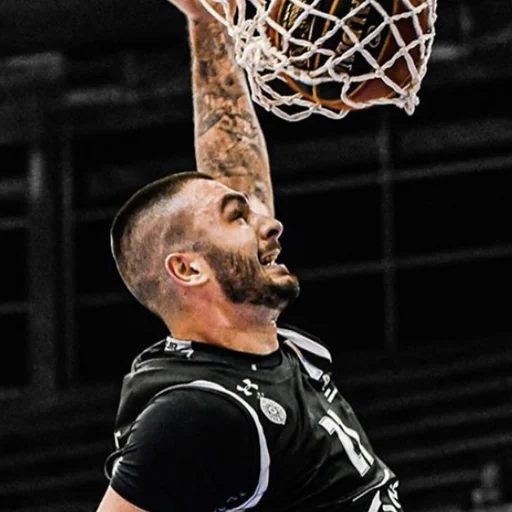
Nikola Janković
Co-founder · Former professional basketball player
Nikola Janković is a former professional basketball player — a 6'9" forward and the 2016–17 ABA League MVP — who played for Partizan, Union Olimpija and Mega, among others. Today he runs a pilates studio and gym focused on strength, mobility and overall wellbeing. He co-founded PUSHapp to make consistent, measurable training simple for everyone.