
Muscles & Benefits
What Muscles Do Pushups Work? A Clear Guide
Learn what muscles do pushups work and how this move engages chest, shoulders, and core for strength, posture, and overall fitness.


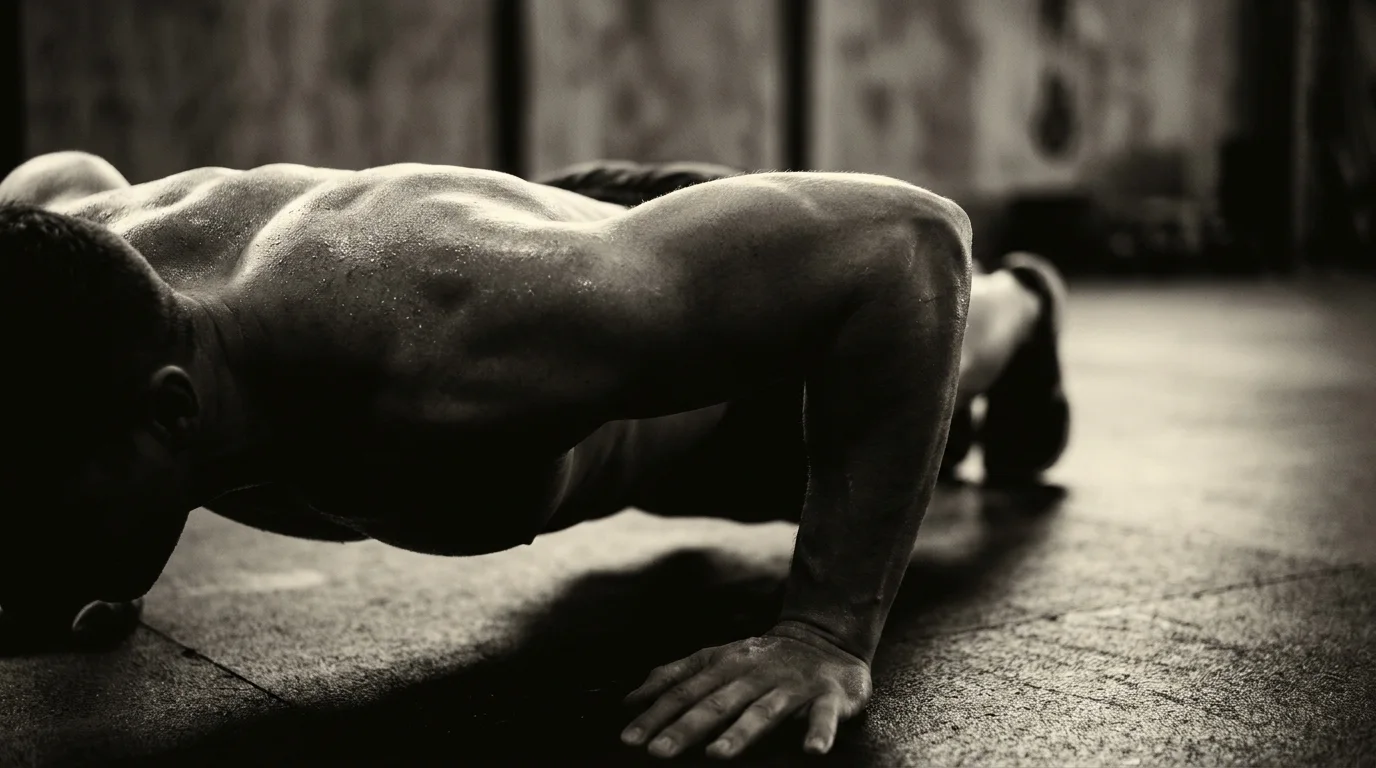
Muscle Activation by Push-Up Variations: Which Muscles Do Pushups Work?
Primary movers in a standard push-up
- The pectoralis major (sternal fibers), along with the triceps brachii and the anterior deltoid, drive the press.
- Compared to a bench press, push-ups recruit a similar set of muscles but with more core and shoulder stabilization.
Secondary stabilizers and scapular muscles
- Serratus anterior protracts the shoulder blade, helping shoulder stability. Lower traps and other scapular muscles assist with position and control.
Activation shifts by variation: incline, diamond, wide, and decline
- Incline push-ups: less chest demand; more emphasis on the anterior deltoid and triceps; still engages serratus anterior.
- Diamond push-ups: heavier on triceps; inner chest; greater anti-rotation demand from core.
- Wide push-ups: greater pectoralis major activation (outer chest); robust serratus anterior engagement; slight drop in triceps emphasis.
- Decline push-ups: emphasize upper chest and front deltoids; increase core and scapular stabilizer engagement (serratus anterior, lower traps).
Serratus anterior and lower traps engagement
- These muscles help keep the scapula attached and stable across variations; widest and decline often demand more from them.
Form, Cues, and Core-Shoulder Stability: Safe Push-Ups with Anti-Rotation
Scapular mechanics and protraction/retraction cues
- Set the shoulder blades in slight retraction at the top to stabilize, then actively protract as you press to engage the serratus anterior.
- Maintain a neutral spine and let the chest rise and fall with controlled scapular movement.
Anti-rotation cues for core stability
- Brace your core and glutes as if you’re resisting a twist from the floor.
- Keep hips square to the floor; ribs stack over the pelvis. Exhale through each press to help bracing.
Elbow alignment and shoulder safety tips
- Elbows track about 45–60 degrees from your body; wrists stay aligned under shoulders.
- Avoid flaring or letting the elbows bow out; maintain a steady press.
Cues to recruit serratus anterior and lower traps
- Push the floor away with a protracting scapula—think “punch the floor” to fire the serratus anterior.
- Slightly depress the shoulder blades to lightly engage the lower traps.
Modifications for elbow tendinopathy and shoulder comfort
- If tender, start on an incline, or use push-up handles/fists to reduce elbow load.
- Shorten the range or slow the tempo; keep elbows softly positioned to minimize strain.
Beginner-to-Advanced progression and rep ranges
- Beginner: incline push-ups, 6–12 reps, 2–3 sets.
- Intermediate: floor push-ups, 6–12 reps, 2–4 sets; add tempo (2 seconds down, 1 up).
- Advanced: full push-ups with tempo or weighted variations, 4–8 reps.
Progressions, Bench-Press Comparisons, and Practical Programming
How variation shifts muscle emphasis
- Incline push-ups (hands on elevated surface) are easier and tend to place more load on the lower chest and triceps.
- Standard push-ups target the mid-chest with solid shoulder and core demand.
- Decline push-ups (feet elevated) elevate the challenge, emphasizing the upper chest and front deltoids.
Serratus anterior and lower traps-focused push-ups
- Add a push-up plus at the top to protract the shoulder blades; that cues serratus anterior engagement and helps lower-trap stability.
Programming your push-ups: sets, reps, tempo, and progression
- Start with a beginner-to-advanced path: 2–3 sets of 6–8 reps, tempo 2-0-2, 60–90s rest; progress to 3–4 sets of 8–12 reps; then shift to diamond push-ups or decline variations.
- Use clear reps and sets targets to gauge progress; balance incline vs decline to manage emphasis.
- Aim for 2–3 days per week.
Push-ups vs bench press: engagement and carryover
- Push-ups build core and scapular control with functional carryover; bench press loads more with less trunk demand; both train chest and triceps, but plan programming to include variations for balanced strength.
Frequently asked questions
What muscles do push-ups work the most?
Push-ups primarily target the pectoralis major, with the triceps and anterior deltoids driving the press; they also demand core and shoulder stabilization.
Do push-ups work your abs?
Yes. Push-ups recruit the core for anti-rotation and stability, especially when you brace the midsection and control scapular movement.
What is the proper form for a push-up?
Keep a neutral spine with elbows about 45–60 degrees from your body, set the shoulder blades, and press by protracting the scapula while bracing the core and glutes.
Which push-up variation is best for beginners?
Incline push-ups are easier and a solid starting point; gradually progress to standard floor push-ups as you gain strength.
About the authors

Goran Huskić
Co-founder · Professional basketball player
Goran Huskić is a Serbian professional basketball player — a 6'11" center currently playing for Monbus Obradoiro in Spain's Primera FEB. He won the 2019–20 Basketball Champions League with San Pablo Burgos and has competed professionally across Spain, Germany, Lithuania, Serbia and the United States. He co-founded PUSHapp to bring pro-level training discipline to everyday workouts.
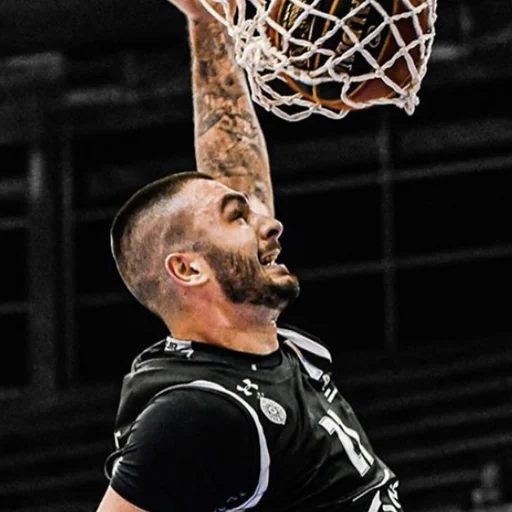
Nikola Janković
Co-founder · Former professional basketball player
Nikola Janković is a former professional basketball player — a 6'9" forward and the 2016–17 ABA League MVP — who played for Partizan, Union Olimpija and Mega, among others. Today he runs a pilates studio and gym focused on strength, mobility and overall wellbeing. He co-founded PUSHapp to make consistent, measurable training simple for everyone.