
Variations & Types
Types of pushups: Variations for every level
Learn types of pushups with clear progressions from beginner to advanced, plus form tips, hand positions, and no-equipment options.

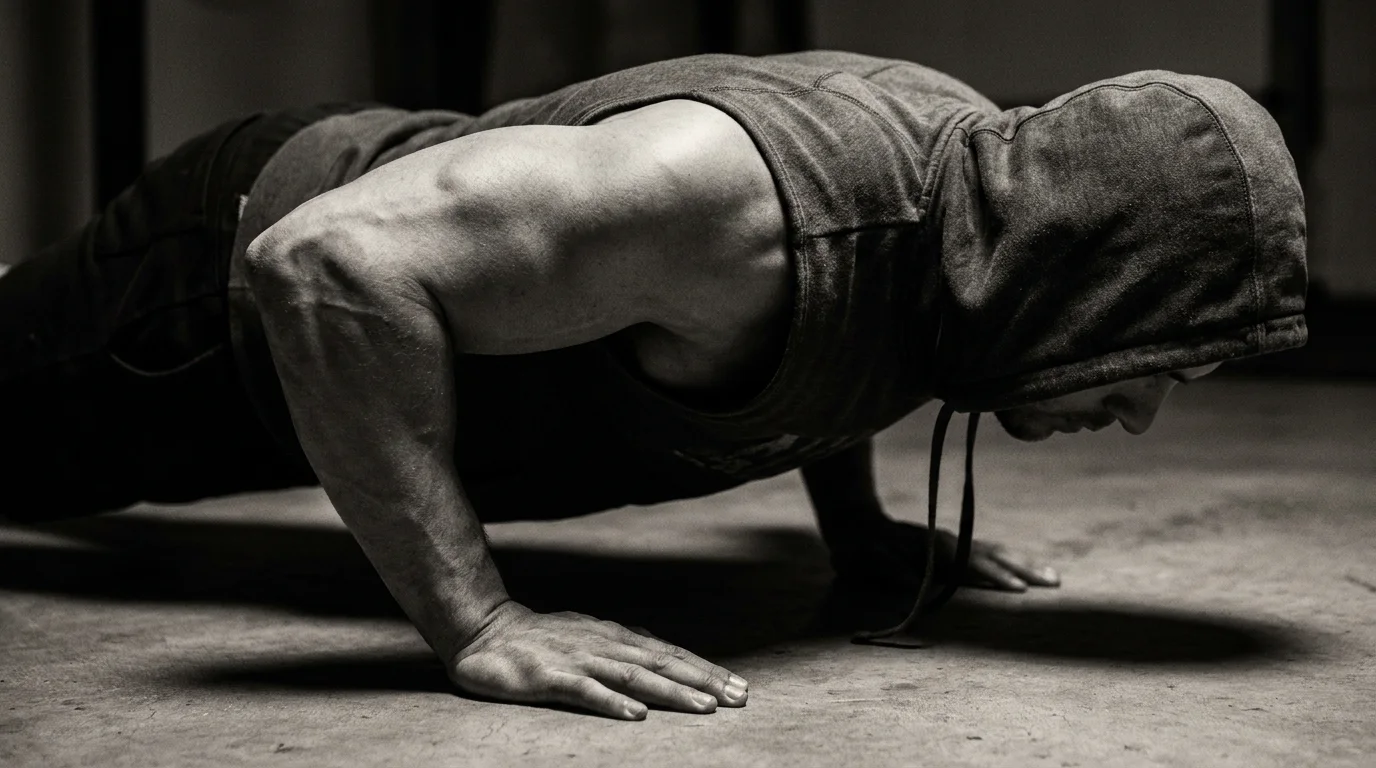
Foundations: form, tempo, and safe progression across all levels
Foundations ensure every push-up variation stays safe and effective. Master alignment, tempo, breathing, and beginner-friendly progressions to support future types of pushups.
Tempo matters: using cadences like 2-0-2-0 for control and reps
Aim for a cadence of 2-0-2-0: two seconds down, zero pause at the bottom, two seconds up, zero pause at the top. Use it to pace reps and keep your core braced.
Grip width and shoulder health: narrow vs wide hand placement
A wider grip increases chest involvement but can raise shoulder torque; a narrow grip reduces range and shifts load toward the triceps. Keep elbows tucked ~45–60 degrees and wrists under shoulders.
From wall/incline to knee: selecting beginner-safe progressions
Start with wall push-ups, then incline push-ups on a bench, and progress to knee push-ups on the floor while maintaining a straight line from head to hips. Only advance when you can keep form.
Core bracing, scapular stability, and breathing during push-ups
Brace your core, pull shoulder blades down and together, and breathe: exhale as you push up, inhale as you lower.
Push-up variations by surface and level: from wall to standard and advanced
A logical path starts with wall push-ups and climbs toward standard push-ups by adjusting surface and grip. Each step builds volume and confidence while training chest, shoulders, and core.
Wall push-ups: perfect for beginners and shoulder-friendly form
- Setup: stand an arm’s length from a wall, hands at chest height, feet together near the wall.
- Cues: keep a straight line head-to-heels, elbows soften to about 45 degrees, pulse through the floor with your palms.
- Benefits: low load protects shoulders; easy to coach scapular position.
- Progression: move feet a bit farther back to increase challenge, then try incline push-ups on a bench.
Incline and knee push-ups: building volume with reduced load
- Incline push-ups: hands on a bench, maintain a straight line; lower slowly.
- Knee push-ups: from the floor with knees down, hips aligned with shoulders.
- Progression: gradually lower the incline toward floor; advance to standard push-ups.
Standard push-ups: optimizing grip width for chest and core
- Grip width effects: wide for chest, narrow for triceps, shoulder-width as a balance.
- Cues: hands under the chest, elbows at ~45–60 degrees, core braced.
- Progression: move from incline/knee to full push-ups, then refine form.
Advanced grip and form: wide vs narrow, elevated feet, and archer-style variations
- Wide vs narrow: wide emphasizes chest; narrow shifts load to triceps; track wrists and elbows.
- Elevated feet: stack feet on a bench to increase load while keeping form.
- Archer-style: one arm extends while the other bends; switch sides to balance work.
Programming, tempo, isometrics, and progression tools to advance
Tempo as a training tool: mastering 2-0-2-0 and beyond
- Use tempo to control your pace and time under tension. Start with 2 seconds down, 0 pause, 2 seconds up, 0 pause at top. Gradually add 1–2 seconds of pause at the bottom for a heavier stimulus.
Isometrics and negatives: how to use pauses and slow lowers for strength
- Add a 3–5 second hold in midrange or near the bottom, then press. For negatives, start at the top and lower slowly for 4–6 seconds before resetting.
Seated and standing push-ups: inclusive options for mobility impairment
- Seated push-ups: hands on the chair edge, chest toward the chair. Standing push-ups: start against a wall, progress to a higher surface, then toward the floor as mobility allows.
Common mistakes and corrective drills: drills to fix form and align joints
- Keep ribs braced, hips level, and elbows angled 45 degrees. Use a mirror to cue scapular retraction and prevent elbow flare.
Sample progression plan: 4–6 weeks from wall to standard push-ups
- Week 1: wall push-ups, 3×8–12; Week 2: incline push-ups, 3×8–12; Week 3: knee push-ups, 3×6–10; Week 4: knee push-ups with negatives; Week 5: incline near floor; Week 6: floor push-ups. Track progress with goal-based rep schemes (e.g., week-by-week targets) and record sets completed. This is wall to standard push-ups steps.
Whichever variation you're drilling, an app can do the counting for you — see our roundup of push-up counter apps compared.
Frequently asked questions
What are the different types of push-ups?
Push-ups vary by surface and grip, from wall and incline beginners to knee, standard, and advanced forms like wide, narrow, and archer-style. Each variation changes the load to match your strength and goal.
How do you modify push-ups for beginners?
Start with wall push-ups, then incline push-ups on a bench, and progress to knee push-ups on the floor while maintaining a straight line from head to hips. Use a steady 2-0-2-0 tempo and keep elbows tucked around 45–60 degrees.
How can I progress from wall push-ups to standard push-ups?
Move from wall to incline to knee push-ups on the floor, then gradually reduce the incline and refine form until you can perform full push-ups with a braced core.
What is the proper form for a push-up?
Keep a stable spine, square shoulders, and ribs braced. Maintain elbows at about 45–60 degrees with wrists under the shoulders, and breathe: exhale as you push up, inhale as you lower.
About the authors
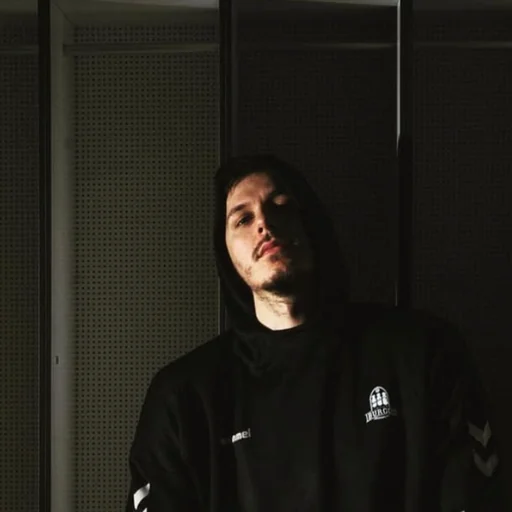
Goran Huskić
Co-founder · Professional basketball player
Goran Huskić is a Serbian professional basketball player — a 6'11" center currently playing for Monbus Obradoiro in Spain's Primera FEB. He won the 2019–20 Basketball Champions League with San Pablo Burgos and has competed professionally across Spain, Germany, Lithuania, Serbia and the United States. He co-founded PUSHapp to bring pro-level training discipline to everyday workouts.
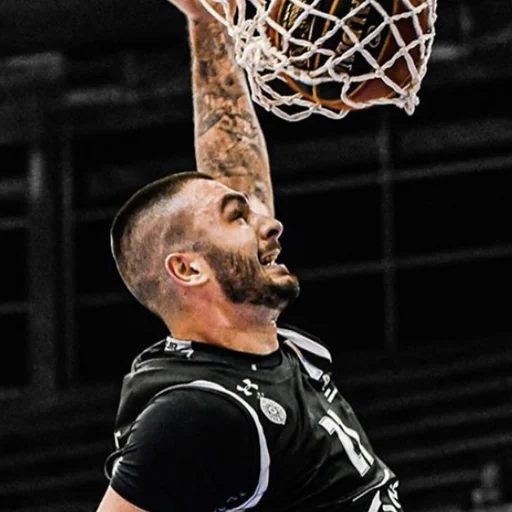
Nikola Janković
Co-founder · Former professional basketball player
Nikola Janković is a former professional basketball player — a 6'9" forward and the 2016–17 ABA League MVP — who played for Partizan, Union Olimpija and Mega, among others. Today he runs a pilates studio and gym focused on strength, mobility and overall wellbeing. He co-founded PUSHapp to make consistent, measurable training simple for everyone.