
Variations & Types
Are knee pushups effective for serratus activation
Are knee pushups effective for serratus anterior activation and scapular stability? Compare surfaces, kinetic chains, and knee push-up plus variations.

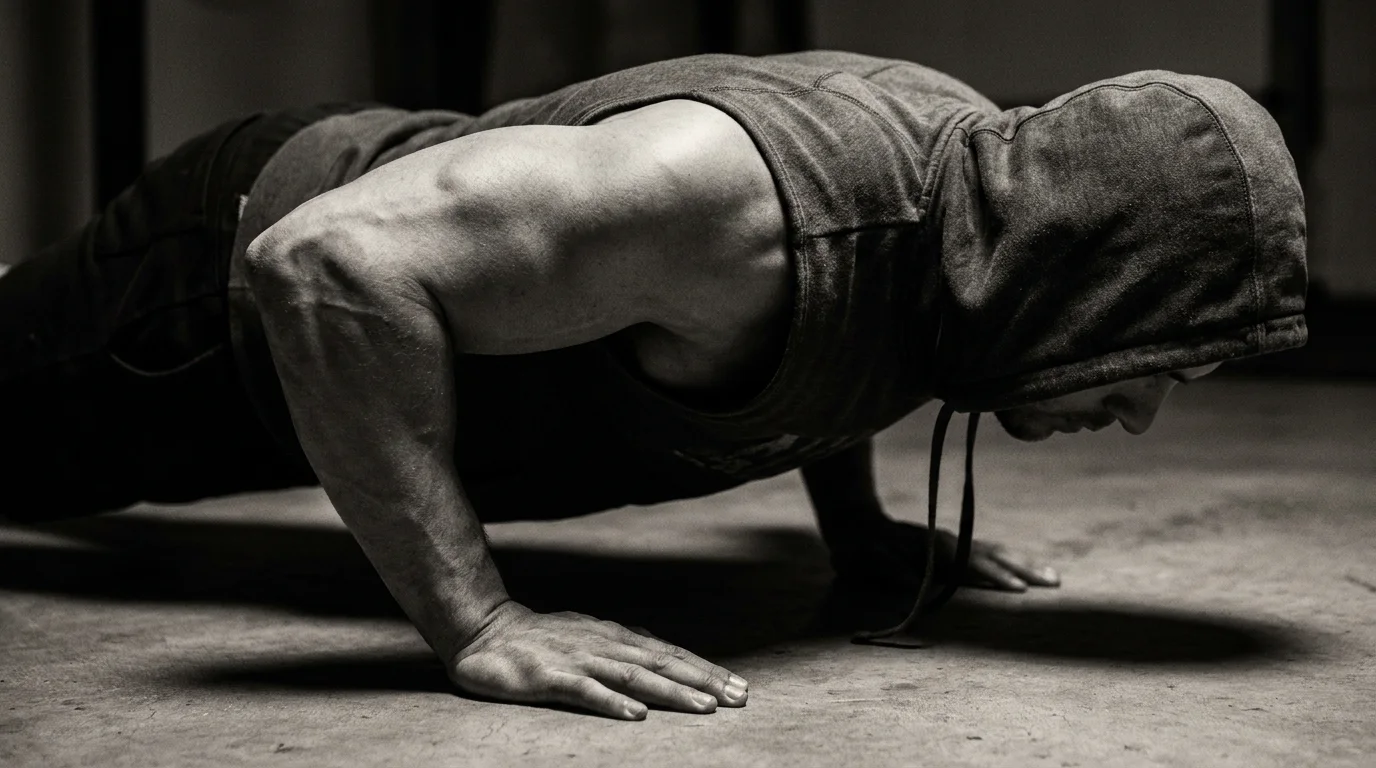
Knee push-up variants: SA activation across surface stability and EMG comparisons
EMG trends across surface stability
- Static stable: knee push-up plus tends to boost serratus anterior activation while UT rises modestly; UT/SA ratio shifts toward SA.
- Static unstable: SA activation climbs with instability; UT also increases, but SA gains often persist, keeping UT/SA balance favorable with solid form.
- Oscillating unstable: SA engagement is typically highest, yet results vary; cue for control: rib cage down, scapula engaged, hips steady.
Knee push-up plus vs standard knee push-up: serratus activation and UT/SA balance
- Are knee push-up plus, vs standard knee push-up, more effective for serratus activation? In general, yes on stable surfaces; on unstable surfaces the difference can narrow.
- UT/SA ratio tends to improve with knee push-up plus when protraction is controlled, meaning SA contribution rises relative to UT.
Diagonal pattern and wobble-board/extended variations: effects on SA engagement
- Diagonal pattern push-ups tend to recruit SA more as scapular protraction expands.
- Wobble-board push-ups raise SA activation but with greater variability; maintain spine and hips steady.
- Extended ROM variations heighten SA demand when technique remains clean.
Kinetic-chain implications: closed- vs open-chain scapular stabilization in knee push-ups
Closed-chain mechanics and scapular muscle recruitment
- In knee push-ups, the hands stay fixed to the floor, so the upper limb operates in a closed kinetic chain. Serratus anterior drives scapular protraction and upward rotation to keep the medial border flush with the rib cage as you push.
- On a firm surface, SA recruitment is efficient and the upper trapezius stays relatively quiet; on an unstable or soft surface, co-contraction increases and UT involvement may rise to preserve thoracic alignment.
- Diagonal pattern knee push-up activation raises the proximal demand: trunk rotation and weight transfer require SA-driven stabilization to prevent collapse or excessive scapular tilt.
Open-chain considerations
- When distal contact isn’t fixed, scapular stabilization relies more on dynamic periscapular control and can shift the activation balance toward different stabilizers, affecting overall serratus anterior recruitment.
Programming guidelines, coaching cues, and progression for SA optimization and UT minimization
Coaching cues and technique optimizations to bias SA activation
- Setup: hands under shoulders, knees on the floor, hips level, spine neutral; brace the core.
- Protract the scapulae as you press the floor away; keep the ribs braced and the armpits open.
- Minimize UT dominance: avoid shrugging; keep the neck soft and long.
- Diagonal pattern cue: as you press, shift into a diagonal line—one hand slightly forward, opposite knee back—while maintaining scapular protraction.
- Breath: exhale on the press, inhale on the lowering phase.
Progression framework: from static stable to unstable and dynamic knee push-up variations
- Level 1: static knee push-up on a stable surface; 2-second pause at bottom.
- Level 2: diagonal-pattern knee push-ups with a small leg extension; sustain protraction.
- Level 3: unstable surface (foam pad or towel under hands); control the rib cage and scapula.
- Level 4: dynamic variations: tempo 3-0-3-0; add a light diagonal reach at the top.
From rehabilitation to sport: applying gains to pushing/throwing tasks
- Translate rehab-to-sport gains by linking diagonal pushes to sport tasks; start standing, then add rotational or rebound elements (e.g., wall presses with a diagonal reach, progressing to sport-specific pushes).
Frequently asked questions
Are knee pushups effective for activating the serratus anterior?
Yes. Knee pushups can target the serratus anterior when you press the floor away to protract the shoulder blades and maintain a braced, neutral spine; activation depends on technique, range of motion, tempo, and avoiding overreliance on the chest.
How does surface stability affect knee push-up plus activation of scapular muscles?
On stable surfaces, knee push-up plus boosts serratus activation with only modest UT rise. On unstable surfaces, SA activation increases and UT also rises, but SA gains often persist and UT/SA balance can improve with proper form. Oscillating instability can yield the highest SA engagement, though with more variability.
Which knee push-up variations best improve UT/SA balance for rehabilitation?
On stable surfaces, knee push-up plus tends to improve UT/SA balance by increasing SA contribution relative to UT. Diagonal-pattern knee push-ups and wobble-board/extended ROM variations can further bias SA, with the caveat of maintaining spine stability and controlled protraction.
What is knee push-up plus and how is it performed?
Knee push-up plus is a knee push-up variation that emphasizes scapular protraction during the press. It’s performed with hands under the shoulders, knees on the floor, a braced core, and a deliberate protraction as you press the floor away while keeping the spine neutral.
About the authors
Goran Huskić
Co-founder · Professional basketball player
Goran Huskić is a Serbian professional basketball player — a 6'11" center currently playing for Monbus Obradoiro in Spain's Primera FEB. He won the 2019–20 Basketball Champions League with San Pablo Burgos and has competed professionally across Spain, Germany, Lithuania, Serbia and the United States. He co-founded PUSHapp to bring pro-level training discipline to everyday workouts.
Nikola Janković
Co-founder · Former professional basketball player
Nikola Janković is a former professional basketball player — a 6'9" forward and the 2016–17 ABA League MVP — who played for Partizan, Union Olimpija and Mega, among others. Today he runs a pilates studio and gym focused on strength, mobility and overall wellbeing. He co-founded PUSHapp to make consistent, measurable training simple for everyone.