
Muscles & Benefits
pushups for abs: Core-Boosting Variations
Discover which pushups for abs variants maximize core engagement, proper form, and progression tips to strengthen your abs and stabilize your spine.


Understanding Core Activation During Push-Ups: Biomechanics, Breathing, and Stabilization
Biomechanics of core engagement in a push-up
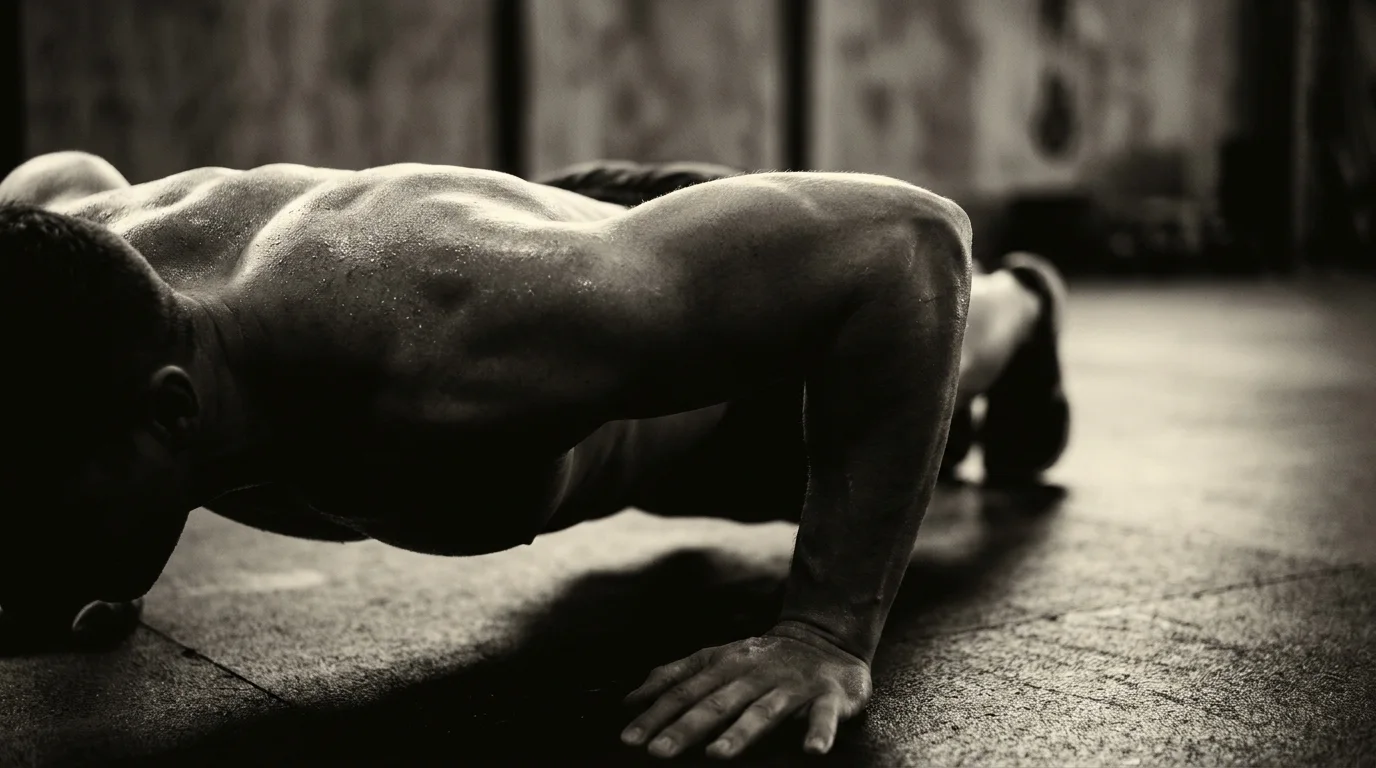
The core acts as a brace to prevent trunk sag, coordinating the transverse abdominis, internal/external obliques, and erector spinae. The serratus anterior anchors the scapula to the rib cage, supporting scapular stabilization push-ups. Keep a neutral spine with a natural lumbar curve, and hips in line with shoulders to foster solid ab engagement during push-ups.
Key cues for scapular stability and serratus engagement
Squeeze the shoulder blades down and together; press the floor apart to wake the serratus anterior. Keep elbows around 45 degrees to protect the shoulders and maintain scapular control. Brace the core as if wearing a zipper around the torso to resist rotation—an anti-rotation cue that keeps hips square.
Breathing, tempo, and common mistakes that reduce activation
Tempo matters: slower descent, deliberate press builds core demand. Breathe with intention—exhale on the press, inhale on the descent, staying braced the entire time. Common slips: hips sagging, ribs flaring, scapulae drifting, or rushing reps that collapse the midsection.
Push-Up Variations That Target the Abs: From Knees to Weighted, Incline to Decline, and Anti-Rotation
Variation Spotlight: how each move targets the core
- Incline push-ups: lighter load, but you still brace to keep a straight spine. Great for teaching core alignment and building ab engagement toward core activation push-ups.
- Decline push-ups: longer lever, higher abdominal demand. Obliques and the transverse plane muscles work to keep hips level; cue hips in line with shoulders.
- Anti-rotation push-ups: resist twisting as you press up. Strongest stimulus for obliques and lumbopelvic stability; keep hips square and ribs stacked.
- Scapular stabilization push-ups: emphasize protraction/retraction and serratus control. They train core stability via rib cage control and shoulder girdle mechanics.
- Which push-up variants activate the abs most? Decline and anti-rotation variants typically recruit the midsection hardest, with scapular-stabilizing moves supporting overall stability.
Progression paths: from knee to weighted
- Start with knee push-ups, add incline for longer sets, then move to standard, then decline, and finally add weight (vest or plate) as you can hold a solid brace.
Common mistakes and fixes in core-focused push-ups
- Sagging hips: brace the core, squeeze glutes, and level the pelvis.
- Loss of scapular control: add scapular push-ups as a warm-up.
- Rushing reps: slow to 2-0-2 tempo; hold briefly at the bottom.
- Rotating torso: lock in anti-rotation cues; imagine ribs stacked over hips.
Programming for Core Gains: A 6-8 Week Progression with Tempo, Deloads, and Core-Only Comparisons
Phase-by-phase progression (weeks 1-8)
- Weeks 1-2: Knee or incline push-ups, 3x8-12; tempo 3-0-1; inhale down, exhale up; brace full core, hips level. Pushups for abs stress the torso differently than a bench press—focus on bracing and anti-rotation.
- Weeks 3-4: Standard push-ups, 3-4x6-10; tempo 2-0-2; add a 0.5-1s bottom pause if possible.
- Weeks 5-6: Decline push-ups or weighted push-ups, 4x5-8; tempo 3-0-2; 1s bottom pause; keep rib cage braced.
- Weeks 7-8: Deload or core-only day; 2x6-8 with incline or knee variation; reduce load 40-50%.
Tempo, breathing, and technique cues for maximum core load
- Inhale on descent, exhale through the press; brace abs hard; hips neutral; feet planted.
Common external cues and mistakes and fixes
- Sagging hips → tighten glutes and rib cage.
- Looking up or forward → reset neck position; brace start to finish.
Sample weekly templates with deloads
- Weeks 1-2: 3 days; Weeks 3-4: 3 days; Weeks 5-6: 3 days; Week 7-8: deload or core-only days.
Frequently asked questions
Do push-ups primarily target the abs or chest?
Push-ups are primarily a chest, shoulder, and triceps exercise; the core is engaged mainly to brace the spine and keep the hips level. With proper bracing and deliberate core-focused variations, you can increase abdominal involvement without changing the primary movement.
Which push-up variation best targets the core/abs?
Decline push-ups and anti-rotation variants typically recruit the core the most, especially the obliques and lumbopelvic stabilizers. Incline and standard push-ups also engage the abs but to a lesser degree.
How can I modify push-ups to maximize abdominal engagement?
Use a controlled tempo (slow descent, brief bottom pause, steady press) with a braced, neutral spine and hips level. Add anti-rotation cues and scapular stabilization, and progress from incline to standard to decline, adding resistance as you can maintain solid bracing.
What common mistakes reduce core activation during push-ups?
Common mistakes include hips sagging, ribs flaring, scapular drift, rushing reps, or twisting the torso. Fix them by bracing, keeping the pelvis neutral, practicing scapular push-ups, and slowing reps to a deliberate 2-0-2 tempo.
About the authors

Goran Huskić
Co-founder · Professional basketball player
Goran Huskić is a Serbian professional basketball player — a 6'11" center currently playing for Monbus Obradoiro in Spain's Primera FEB. He won the 2019–20 Basketball Champions League with San Pablo Burgos and has competed professionally across Spain, Germany, Lithuania, Serbia and the United States. He co-founded PUSHapp to bring pro-level training discipline to everyday workouts.

Nikola Janković
Co-founder · Former professional basketball player
Nikola Janković is a former professional basketball player — a 6'9" forward and the 2016–17 ABA League MVP — who played for Partizan, Union Olimpija and Mega, among others. Today he runs a pilates studio and gym focused on strength, mobility and overall wellbeing. He co-founded PUSHapp to make consistent, measurable training simple for everyone.