
Form & Technique
Proper Pushup Form: Master Your Push-Ups
Learn proper pushup form with step-by-step cues, depth, elbow angle, and variations to build chest, shoulders, and core safely.


Foundations of Proper Push-Up Form
Body alignment and setup
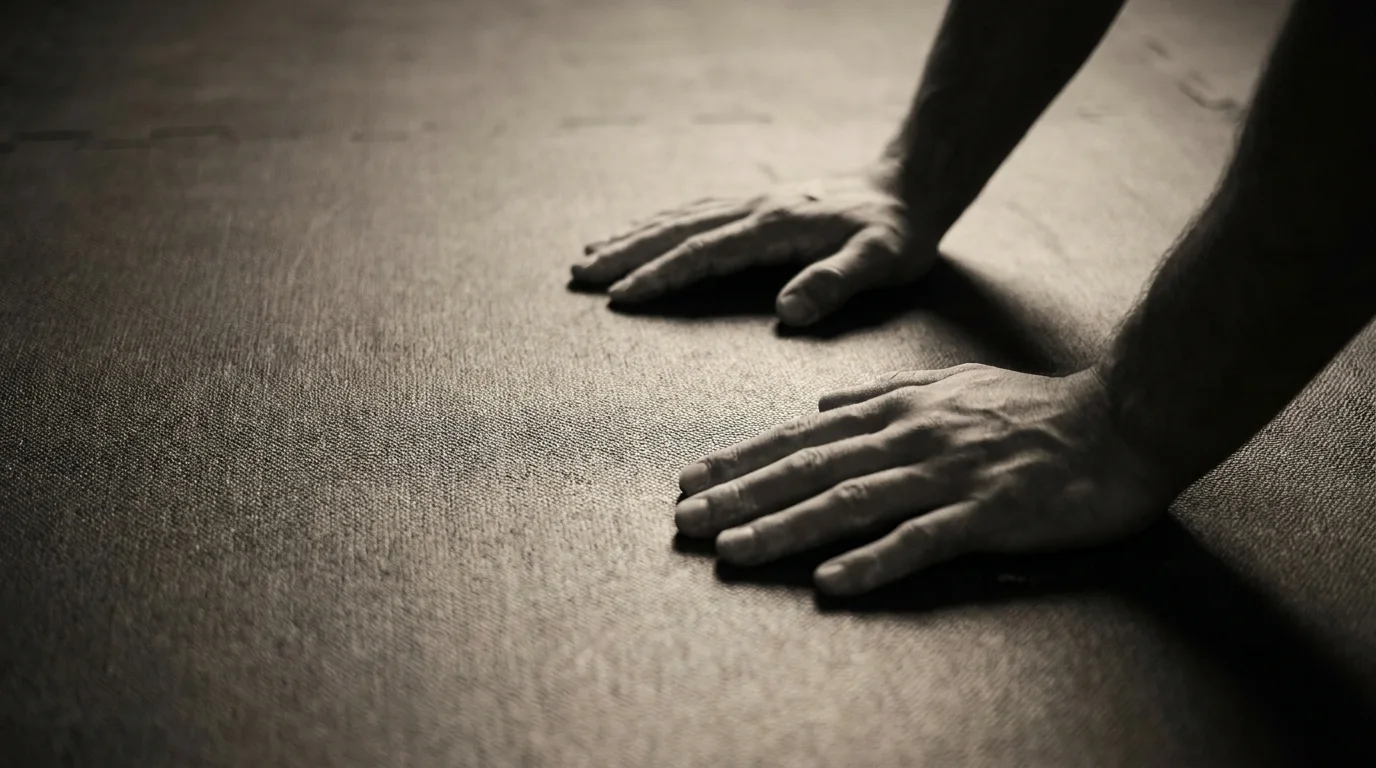
- Hands slightly wider than shoulders, wrists under shoulders, fingers spread.
- Maintain a straight line from head to heels; engage glutes and quads.
- If you’re asking how to do a push-up correctly, start with a solid setup and steady gaze a few inches ahead.
Wrist and shoulder readiness
- Press through the base of your palms; avoid bending the wrists.
- Keep shoulders stable with scapular stabilization; avoid shrugging.
- If shoulder mobility is limited, use incline variants or a short warm-up first.
Core engagement and breathing
- Brace your core and glutes; ribs stay down, pelvis neutral.
- Inhale on the way down, exhale as you press up.
- Maintain a controlled tempo and avoid rushing the movement.
Warm-up and safety cues
- Do light shoulder circles and scapular push-ups to prep the joint.
- Start with incline push-ups to build a foundation before progressing.
- Stop if you feel sharp pain; progress gradually and respect your limits.
Progressions, Depth, and Tempo by Skill Level
Beginner path: knee and incline push-ups
- If you're wondering how to do a push-up correctly, start here.
- Reps: 6–12; sets: 3–4. Tempo: 2-0-2-0 (two seconds down, two up).
- Depth: use knee or incline to reduce load; aim for controlled chest travel and elbow angles around 45–60 degrees.
- Cue: keep hips in line, core braced, and shoulders away from your ears.
Standard push-up: depth, elbow angle, and tempo
- Reps: 8–12; sets: 3–4. Tempo: 2-1-2-0.
- Depth: chest nearly to the floor; avoid flaring the ribs or letting the hips sag.
- Elbow angle push-up: about 45–60 degrees; wrists under shoulders; glutes engaged.
- Cue: steady descent, full press to top without locking the elbows.
Advanced progressions: diamond, wide, and pike push-ups
- Reps: diamond 4–8; wide 6–12; pike 4–8; tempo consistent with earlier sets.
- Depth: maintain control; elbows track toward their target angles.
Tempo, breathing, and self-check cues
- Breathing: inhale down, exhale up; brace core through the rep.
- Self-check: hips level, neck relaxed, scapula steady; progress when you can maintain form without fatigue.
Cues, Corrections, and Safety for Longevity
Common mistakes and fixes
- Hip sag: brace core and glutes; pelvis neutral. Visual cue: ribs and hips rise together, not ahead of the hips.
- Elbow flare: elbows track about 45 degrees from the body; keep hands under shoulders.
- Forward lean: maintain a straight line from head to heels; if needed, start with an incline to learn alignment.
Wrist, shoulder, and hip considerations
- Wrist position: wrists under shoulders, index fingers forward; avoid hyperextension; consider push-up bars for comfort.
- Shoulder mobility: practice scapular push-ups and band dislocations to build stability without pinching.
- Hip considerations: avoid sagging or piking; keep hips in line with spine and engage the glutes.
Mobility prerequisites and warm-up
- Prerequisites: comfortable shoulder ROM and wrist extension; able to brace without arching.
- Warm-up: arm circles, scapular slides, light incline push-ups, 1–2 minutes total.
Self-checks and safety indicators
- Check alignment in a side view: head over shoulders over hips; no mid-rep sag.
- If pain arises, stop and regress to incline or knee push-ups; prioritize pain-free ROM.
A camera-based counter that checks rep depth keeps you honest, so shallow half-reps don't sneak into your total. We weigh up the options in our guide to the best apps for counting push-ups.
Frequently asked questions
How do you perform a push-up with proper form?
Start with hands slightly wider than shoulders, wrists under shoulders, and a straight line from head to heels by bracing your core and glutes. Lower with a steady tempo—inhale down, exhale up—until your chest nearly reaches the floor, then press back to the top without locking the elbows. Keep elbows around 45–60 degrees and shoulders stable throughout.
What is the proper depth for a push-up?
Depth should bring your chest toward the floor; in standard push-ups, aim for chest nearly to the floor with elbows tracking about 45–60 degrees. If you can't reach that depth yet, start with incline or knee push-ups to reduce load and work toward full depth.
What elbow position is best for push-ups?
Keep elbows close to 45 degrees from your body (not flared) with wrists under the shoulders and glutes engaged, maintaining a straight line. This stance aligns with standard push-up cues to protect your shoulders.
How can I modify push-ups if I can't do a full push-up?
Use incline push-ups or knee push-ups to reduce load, then progress to the standard push-up as your strength improves, focusing on keeping hips level, core braced, and a controlled tempo.
About the authors

Goran Huskić
Co-founder · Professional basketball player
Goran Huskić is a Serbian professional basketball player — a 6'11" center currently playing for Monbus Obradoiro in Spain's Primera FEB. He won the 2019–20 Basketball Champions League with San Pablo Burgos and has competed professionally across Spain, Germany, Lithuania, Serbia and the United States. He co-founded PUSHapp to bring pro-level training discipline to everyday workouts.

Nikola Janković
Co-founder · Former professional basketball player
Nikola Janković is a former professional basketball player — a 6'9" forward and the 2016–17 ABA League MVP — who played for Partizan, Union Olimpija and Mega, among others. Today he runs a pilates studio and gym focused on strength, mobility and overall wellbeing. He co-founded PUSHapp to make consistent, measurable training simple for everyone.