
Form & Technique
Perfect Pushup Form: Master Your Push-Ups
Master perfect pushup form with setup, technique cues, and safe progressions for beginners to advanced athletes.


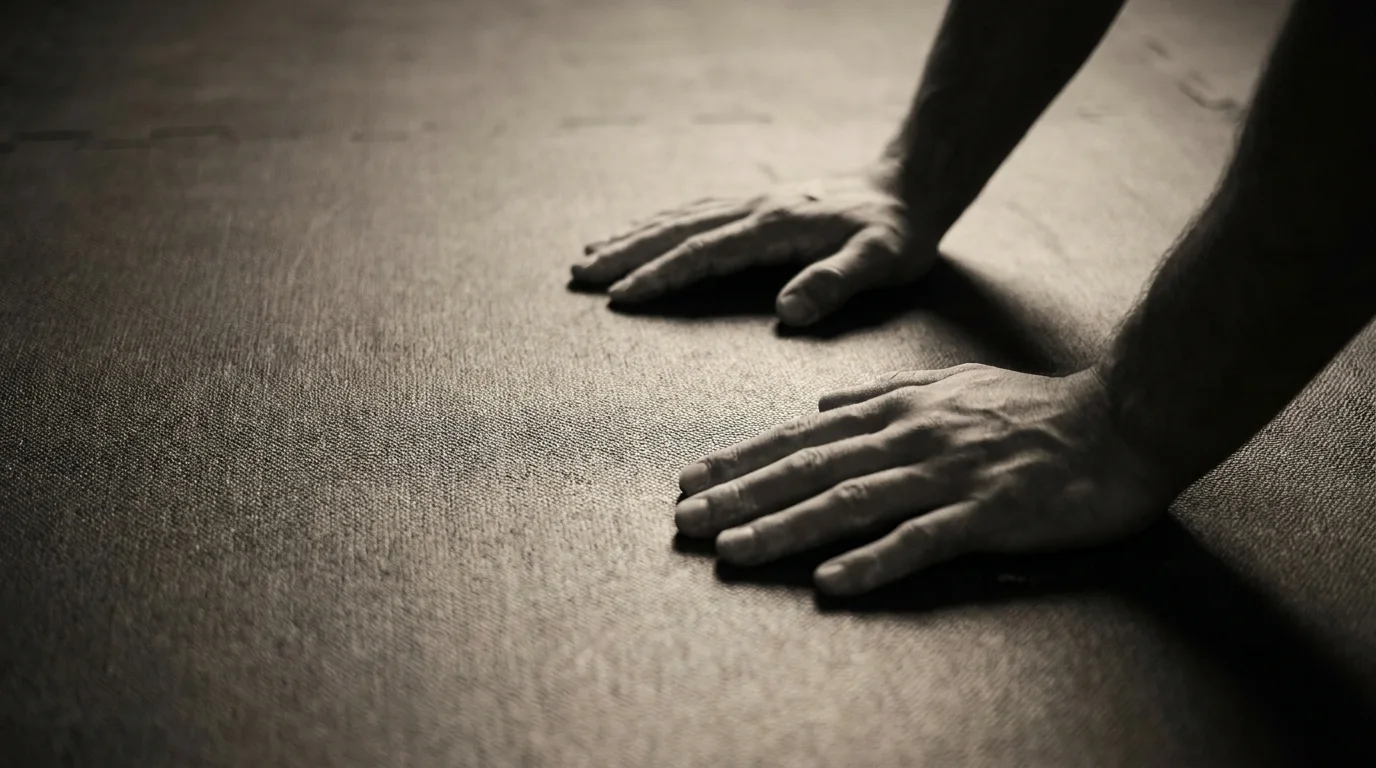
Foundations: setup, alignment, and cues for perfect push-up form
Hand placement and grip width
- Place hands slightly outside shoulder width, fingers spread. A neutral grip keeps wrists comfortable and supports scapular stability.
Body position: spine, hips, and feet
- Maintain a neutral spine from head to heels. Engage the core and glutes. Keep feet active.
Elbow angle and press mechanics
- Elbows track about 45 degrees from the torso. Squeeze the shoulder blades with scapular control. Push through the chest and serratus anterior to keep the scapula stable. This is how to do a push-up with proper form.
Depth and ROM
- Lower until the chest is a few inches from the floor or until you can maintain neutral spine. Manage depth and ROM to keep hips and spine aligned.
Breath, brace, and bracing cues
- Inhale on the way down, exhale on the way up. Brace the core as if protecting the midsection.
Wrist considerations and wrist-friendly setup
- If wrists hurt, try a wrist-friendly setup with a slightly wider grip, or use push-up handles or fists to keep wrists neutral.
Bottom position cue
- Finish with the bottom position where elbows are around 45 degrees and the chest is a few inches from the floor, then press back to the starting point.
Execution cues, common mistakes, and wrist-friendly variations
Core bracing and line cues
- Start in a tall plank with hands under shoulders and feet hip width. Brace core and squeeze glutes to form a straight line head to heels for proper push-up form. Keep neck neutral, gaze a few inches ahead.
- Lower with elbows at about 45 degrees, maintaining the line. Press back up with a tight chest and stable shoulders.
- As you descend, move shoulder blades apart on the way up to engage serratus activation.
Common mistakes and fixes
- Hips sag during push-ups. Fix by bracing and keeping the line; reduce ROM if needed.
- Elbows flare more than 45 degrees. Fix by tucking elbows toward the ribs.
- Looking up or forward. Fix by keeping gaze on the floor.
Wrist-friendly options and mobility tips
- If wrists hurt, try incline push-ups or push-up bars to keep wrists neutral.
- A wider base or shorter ROM can help; progress to full ROM as mobility improves.
- Add light wrist stretches and basic shoulder mobility work between sets.
Progressions, tempo, and level-based paths
tempo-based progressions and isometrics
Tempo guides how you move. Start with four seconds down, a brief bottom hold, and a two second press. As control grows, shorten the descent and use shorter or no holds.
isometric holds and scapular control drills
Isometric holds build position awareness. Hold top and bottom positions for three to five seconds. Add scapular pushups to train protraction and depression without changing elbow angle.
wrist-friendly progressions and mobility guidance
If your wrists bother you, use push-up bars or fists. Keep hands under the shoulders and elbows tucked. Do wrist stretches and light mobility work between sets.
level-based progression map: beginner, intermediate, advanced
- Beginner: incline or wall pushups, elbows tucked at about 45 degrees, depth stays near the starting surface. You learn control first.
- Intermediate: standard pushups with a steady tempo, depth near the floor, core braced.
- Advanced: add tempo cues, pauses at bottom, and progress to tougher variations or weighted options. This is push-up progression with clear depth goals. It helps you compare ROM to bench press and stay safe.
depth and ROM guidance vs bench press
What is the proper depth for a push-up? Chest should come close to the floor while keeping a flat spine. Depth/ROM vs bench press: push-ups use body weight and scapular control rather than bar path, so depth should match your ability to stay solid from shoulders to hips.
Frequently asked questions
What is the proper depth for a push-up?
Lower until the chest is a few inches from the floor while keeping a neutral spine. If your hips sag or your form breaks, back off the depth.
How do you perform a push-up with correct form?
Start in a tall plank with hands under the shoulders and feet hip width, brace the core and glutes to maintain a straight line. Lower with elbows at about 45 degrees, then press back up through the chest while keeping the shoulders stable and breathing in on the way down and out on the way up.
What are common push-up mistakes and how can I fix them?
Hips sag during the movement. Brace the core and glutes and keep the line, reducing depth if needed. Elbows flare more than 45 degrees. Tuck the elbows toward the ribs. Looking up or forward. Keep the gaze on the floor.
What modifications or variations should beginners use?
Begin with incline or wall push-ups to learn the 45 degree elbow position and keep depth near the starting surface. Use wrist friendly options like push-up bars or fists and progress to full ROM as mobility and strength improve.
About the authors

Goran Huskić
Co-founder · Professional basketball player
Goran Huskić is a Serbian professional basketball player — a 6'11" center currently playing for Monbus Obradoiro in Spain's Primera FEB. He won the 2019–20 Basketball Champions League with San Pablo Burgos and has competed professionally across Spain, Germany, Lithuania, Serbia and the United States. He co-founded PUSHapp to bring pro-level training discipline to everyday workouts.

Nikola Janković
Co-founder · Former professional basketball player
Nikola Janković is a former professional basketball player — a 6'9" forward and the 2016–17 ABA League MVP — who played for Partizan, Union Olimpija and Mega, among others. Today he runs a pilates studio and gym focused on strength, mobility and overall wellbeing. He co-founded PUSHapp to make consistent, measurable training simple for everyone.