
Form & Technique
How to Use Pushup Video to Measure Rep Tempo
Learn how to use pushup video to measure rep tempo with phase timing insights and rep-by-rep reports to coach more efficiently.


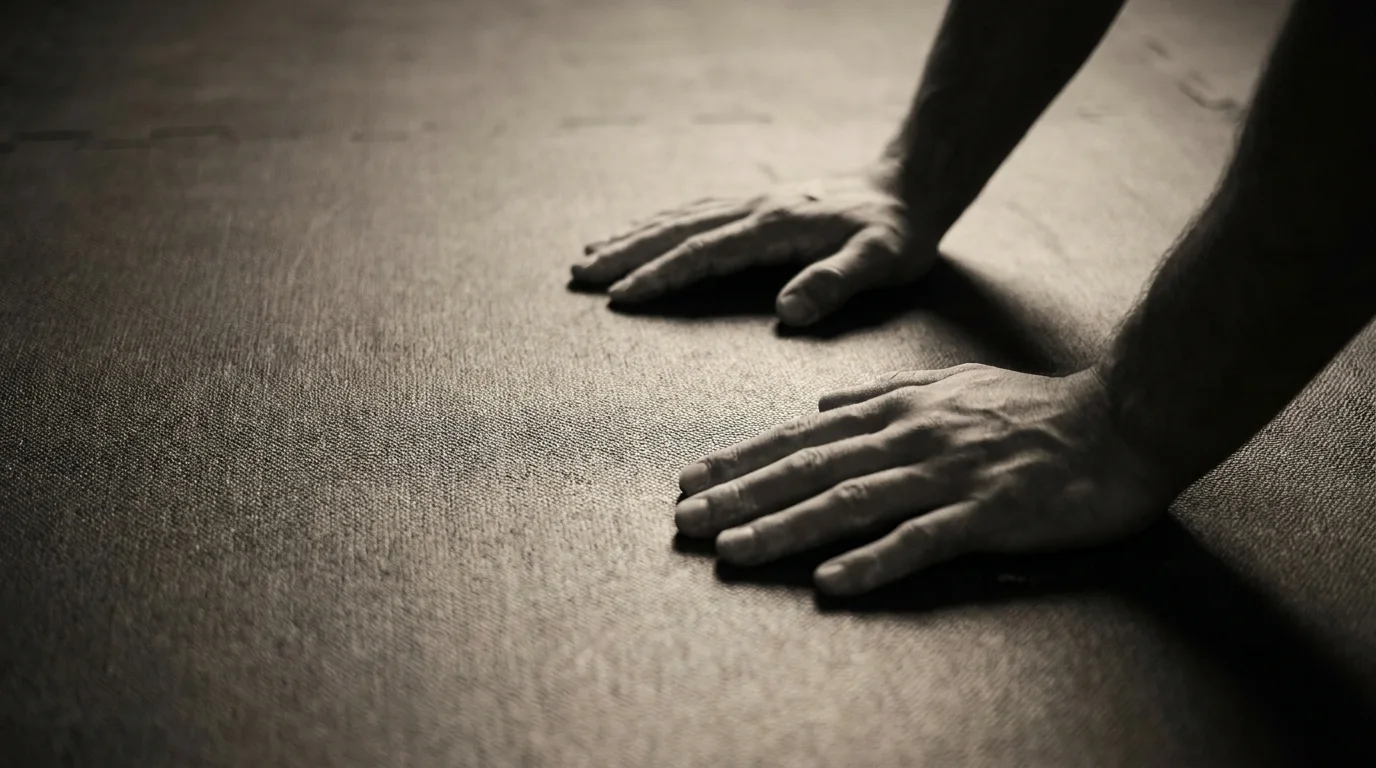
Camera setup and environment for reliable push-up tempo analysis
Choosing the right camera angle and height (side view near hip level)
Set a stable tripod. Position the camera at hip height to capture the side view of the torso and arms. Frame from head to hips and include the floor line to see ascent, descent, and bottom position. Keep the lifter centered so small tempo changes aren't cropped.
Lighting, frame rate, and minimizing motion blur
Use fps 30 or higher. Higher frame rates give smoother phase separation. Light evenly to reduce shadows that blur joint cues. Avoid fast pans and use a fixed angle during the set to prevent motion blur.
Standardized phase labeling and phase snapshots
Label phases consistently: setup, descent, bottom, ascent, and finish. Take phase snapshots at the start of descent, at the bottom, and at the top of the press to cue tempo.
Adapting setups for incline/decline and knee-supported variants
For incline, raise the hands on a sturdy surface while maintaining a straight line. For decline, elevate the feet to increase demand, keep camera on side view. For knee-supported, ensure knee position does not mask hip and chest alignment.
Measuring tempo and phase timing from video
Defining the push-up phases (top plank start, descent, bottom, ascent, top finish)
Side view helps. Top plank start is the fully extended position. Descent begins with the first elbow bend and ends near the floor. Bottom is the deepest point. Ascent starts when you push up and ends with arms straight. Top finish is the return to a straight line. Label each phase in the frames and note the time stamps.
Quantifying tempo: phase durations, ROM, and coaching cues
Record each rep's phase durations in seconds or frame counts. Measure ROM as chest to floor distance or elbow angle at bottom. Use simple cues: control the descent, pause briefly at the bottom, then push up.
From video to reports: rep-by-rep scoring and phase snapshots
Turn the data into a rep-by-rep report. List each rep with phase times and a phase snapshot for quick reference. Add notes on any form dips.
Adapting tempo targets for variants and bodyweight
Adjust targets for incline or knee push-ups. Heavier bodyweight lengthens the descent; lighter variations are faster. Set a target descent duration for your variant and review the rep-by-rep report after the next set.
Integrating push-up tempo analysis into coaching workflows
Tempo data should drive decisions, not just sit in a chart. Start by linking tempo analysis to practical coaching targets and use it to flag outliers and guide progression.
Establishing normative tempo targets by rep range and bodyweight
- Work with athletes to map tempo bands for different rep ranges and bodyweight categories. Define when a rep is too slow or too fast and document how to correct.
Real-time vs post-hoc feedback and dashboard integration
- Real-time feedback uses alerts during sets to cue tempo. Post-hoc reviews compile trends in dashboards or reports.
Reporting formats: PDFs, rep-by-rep reports, and phase snapshots
- PDFs are good for periodic reviews. Rep-by-rep reports show which reps miss tempo. Phase snapshots capture tempo across training blocks.
Coaching cues and progression strategies to improve tempo
- Use concrete cues like tap the press at the top, lower under control, pause briefly at the bottom. Plan progressive overload with tempo targets.
Platform differences, limitations, and interpretation notes
- Recognize platform variance in video quality and tempo calculation. Always interpret tempo data with attention to camera angle, lighting, and observed form.
Next step: film three reps from the side at a consistent height, and log the four phase times in your training notes to guide your next tempo adjustments.
Frequently asked questions
What should I film to measure rep tempo in pushups?
Film from the side at chest height with a steady camera and clean background, recording three to five pushups with a consistent pace. Divide each rep into four parts: descent, bottom, ascent, and top reset, and time each part with a timer or frame count, labeling the parts to compare reps for tempo patterns.
How do I measure tempo from the video?
Label the phases in each rep and record their durations in seconds or frame counts. You can also measure bottom ROM or elbow angle to quantify tempo.
How can I turn tempo data into coaching feedback?
Create a rep-by-rep report with phase times and snapshots. Add notes on any tempo related form dips to guide adjustments.
How should I adjust tempo targets for different push-up variants?
Adjust targets for incline, decline, or knee push-ups because heavier bodyweight lengthens the descent; set a target descent duration for each variant and review the rep-by-rep report after the next set.
About the authors
Goran Huskić
Co-founder · Professional basketball player
Goran Huskić is a Serbian professional basketball player — a 6'11" center currently playing for Monbus Obradoiro in Spain's Primera FEB. He won the 2019–20 Basketball Champions League with San Pablo Burgos and has competed professionally across Spain, Germany, Lithuania, Serbia and the United States. He co-founded PUSHapp to bring pro-level training discipline to everyday workouts.
Nikola Janković
Co-founder · Former professional basketball player
Nikola Janković is a former professional basketball player — a 6'9" forward and the 2016–17 ABA League MVP — who played for Partizan, Union Olimpija and Mega, among others. Today he runs a pilates studio and gym focused on strength, mobility and overall wellbeing. He co-founded PUSHapp to make consistent, measurable training simple for everyone.