
Form & Technique
Incline Pushup Form: Step-by-Step Cues
Master incline pushup form with a clear, step-by-step guide, cues, and progressive options to reach full push-ups safely.


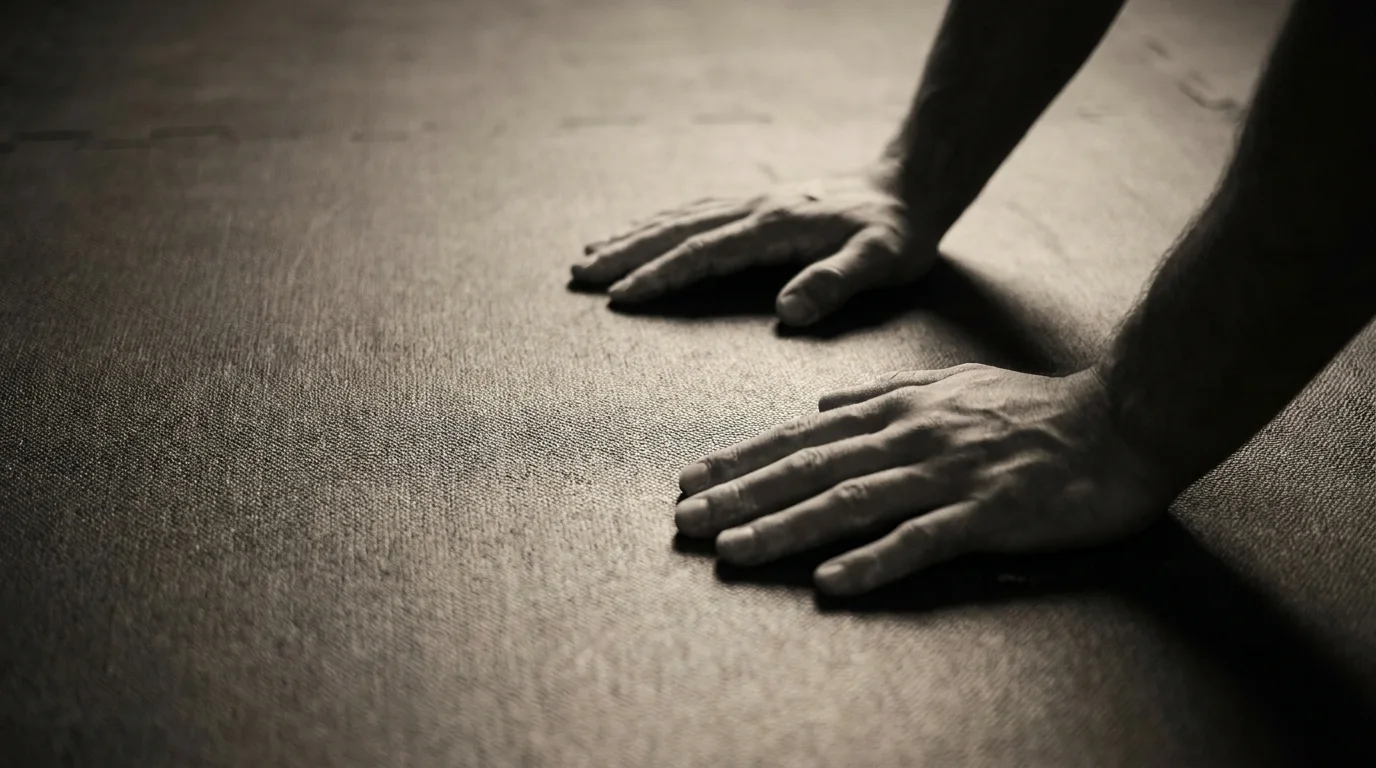
Master incline pushup form: setup, alignment, and cues
Hand placement and elbow angle
- Place hands slightly wider than shoulder width on the platform, wrists under the shoulders, fingers spread for grip.
- Keep elbows at about 45 degrees to the torso as you descend; avoid flaring or tucking too much.
Brace, scapular stability, and breathing
- Set scapular stability by gently pulling shoulder blades down and back.
- Brace the core and tighten the glutes to maintain a neutral spine from head to hips.
- Inhale during the lowering phase, exhale as you press back up.
Tempo, pauses, and breathing cues
- Use a steady tempo with brief pauses to check alignment at the bottom.
- A practical pattern is descend two counts, press up one count, and pause briefly before repeating.
Choosing your platform height by experience level
- Beginner: incline push-up height is higher; choose a bench height that keeps your chest well above the floor. If you are wondering how to incline push-up, start with a higher platform to learn control.
- Intermediate: mid height.
- Advanced: lowest feasible height while maintaining clean form.
Progression, variations, and programming for incline push-ups
Platform heights by experience level
Beginner option is a bench around 24 to 28 inches high to support incline push-up form. This keeps incline push-up bench height manageable and hips aligned. Intermediate use a lower height about 12 to 18 inches. Advanced associates move toward 6 to 12 inches to raise difficulty. What bench height is best for incline push-ups? Start high and drop height as you maintain form.
Elbow angle and hand positioning across variations
Keep elbows at about 45 to 60 degrees from your torso. Place hands just outside shoulder width for a standard incline push-up. A narrower grip stresses triceps and inner chest; a wider grip shifts emphasis to the chest. When doing knee incline push-ups, keep your core tight and hips level.
Tempo-based progression and ROM
Use a controlled tempo to improve ROM. Try 3 seconds down, 0 pause, 2 seconds up. Add a 1 second pause at the bottom as you advance. This slows reps without piling momentum.
Rep ranges and progress templates
Rep targets should grow gradually. Week 1 3x6-8 at a comfortable height; Week 2 3x8-10; Week 3 4x8-12; Week 4 4x10-12 with a two-rep increase if possible. Track progress and adjust height as needed.
Incline vs decline vs standard push-ups: comparison, cues, and troubleshooting
Muscle emphasis across push-up types
- Incline push-up targets the chest lower fibers, triceps, and front shoulders. What bench height is best for incline push-ups? Start high so you can keep a straight line from head to heels; lower the bench as you gain control.
- Decline push-up shifts effort to the upper chest and front deltoids, with a stronger demand on the core and scapular control.
- Standard push-up sits in the middle, with balanced chest, shoulders, triceps, and a steadier core requirement.
Common mistakes and fixes
- Hips sagging: brace the core and glutes.
- Elbows flaring beyond 45 degrees: tuck elbows closer to the body.
- Head drops or looks up: keep a neutral gaze.
- Inconsistent breathing: inhale on the way down, exhale on the push.
Program templates and progress tracking
- Quick-start cues: set hands under shoulders, maintain a straight line, brace deeply, breathe in down, out up.
- Track reps and reps in reserve; note bench height and how you felt.
Getting to full push-ups: a 4-week plan
- Week 1: 3 sets of 6 to 8 incline push-ups on a high bench, three days.
- Week 2: 3 sets of 8 to 10 incline push-ups on a mid bench.
- Week 3: 3 sets of 6 to 8 incline push-ups plus 1 set of floor push-ups on knees.
- Week 4: 3 sets of 6 to 8 floor push-ups or unassisted on toes if ready.
Frequently asked questions
How do you perform an incline push-up with proper form?
Place hands on a stable elevated surface slightly wider than shoulder width, wrists under the shoulders, and keep your feet on the floor. Brace your core and glutes, press your chest tall, and maintain a straight line from head to heels. Lower with control until your chest nears the surface, then push back up with elbows at about a 45 degree angle.
What bench height should I use for incline push-ups?
Begin with a bench around 24 to 28 inches high for the incline push-up. As you gain control, drop to 12 to 18 inches, then 6 to 12 inches for more difficulty.
When should I progress from incline push-ups to full push-ups?
Progress when you can complete your target reps with clean form on the current height. Start at a height you can control for 3 sets of 6 to 8 reps and move to lower heights as you maintain form.
Which muscles do incline push-ups work the most?
It primarily targets the lower chest fibers, the triceps, and the front shoulders.
About the authors

Goran Huskić
Co-founder · Professional basketball player
Goran Huskić is a Serbian professional basketball player — a 6'11" center currently playing for Monbus Obradoiro in Spain's Primera FEB. He won the 2019–20 Basketball Champions League with San Pablo Burgos and has competed professionally across Spain, Germany, Lithuania, Serbia and the United States. He co-founded PUSHapp to bring pro-level training discipline to everyday workouts.

Nikola Janković
Co-founder · Former professional basketball player
Nikola Janković is a former professional basketball player — a 6'9" forward and the 2016–17 ABA League MVP — who played for Partizan, Union Olimpija and Mega, among others. Today he runs a pilates studio and gym focused on strength, mobility and overall wellbeing. He co-founded PUSHapp to make consistent, measurable training simple for everyone.