
Form & Technique
How to Do Pushups for Beginners: Form & Progressions
Discover how to do pushups for beginners with step-by-step form cues, safe progressions, and a starter routine for building strength.


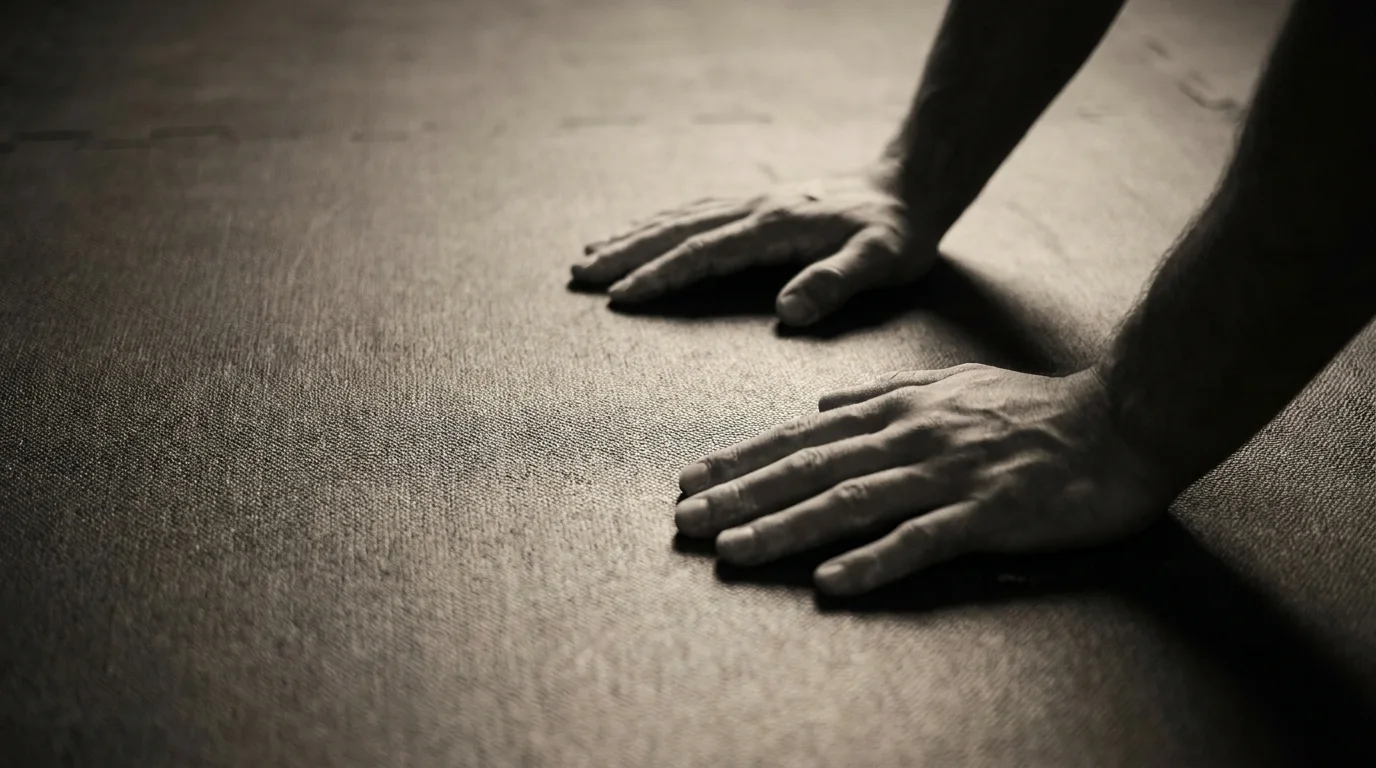
Form mastery: setup, cues, and safe execution
starting position: neutral spine, stable shoulders, and appropriate hand placement
- For how to do pushups for beginners, place hands slightly wider than shoulders, fingers forward, wrists under shoulders.
- Maintain a neutral spine with ears, shoulders, hips, and ankles in one line.
- Brace the core and gently activate scapular stability by drawing shoulder blades down and toward the spine.
elbow angle and scapular stability cues during descent and push
- Keep elbows at about 45 degrees to the torso; avoid flaring or tucking too close.
- Lower with control, chest moving toward the floor while the back stays flat.
- Hold scapular stability throughout each rep; do not lets the shoulder blades drift.
shoulder-recline mechanics and scapular control
- Keep shoulders away from the ears; imagine a down and back tilt of the shoulder blades.
- Maintain a steady scapular platform as you press back up.
- If pain or instability appears, shorten range or drop to knees.
breathing and core engagement per rep
- Inhale as you descend, brace the core and ribs as you approach the floor.
- Exhale while pressing up, finishing with the core and glutes engaged.
common form mistakes and how to fix them
- Hips sag or pike: reset to neutral spine and tighten the core.
- Elbows flare or tuck in excessively: adjust hand width to find a comfortable angle.
- Loss of control: slow the tempo and reset between reps.
Progressions & beginner programming: 4-6 week timeline
Week 1-2: Establishing fundamentals with knee and incline variations
- Train 3 days this week. 3 sets of 6-8 reps per session using knee pushups or incline push-ups as needed.
- Cues: keep a straight line from head to hips, elbows tucked about 45 degrees, core braced.
- If form slips, drop to a knee or incline variation for the next set.
- Rest 60-90 seconds between sets.
- How many push-ups should a beginner do? Start around 18-24 reps per session, about 54-72 for the week.
Week 3-4: Building strength with mixed tempos and controlled negatives
- Train 3-4 days. 4 sets of 6-8 reps; tempo down 3 seconds, up 1 second.
- Add 2 sets of negative push-ups (lower slowly for 3-5 seconds).
- Cues: brace the core, keep hips level, pause briefly at the bottom.
- If you hit 8 reps with good form, begin transitioning to the next variation in the final sets.
- Rest 60-90 seconds between sets.
- Weekly volume: about 96-128 reps.
Week 5-6: Progressing to full push-ups and increased volume
- Train 3-4 days. 4 sets of 8-12 reps on full push-ups; use incline or negatives only if needed to maintain form.
- Cues: full range, controlled descent, shoulders away from ears.
- How to determine when to advance to the next variation: two workouts in a row meeting target reps with solid form signals readiness.
- Rest 60-90 seconds between sets.
- Weekly volume: 128-192 reps.
Weekly volume targets and RPE-based progression guidelines
- Weeks 1-2 target roughly 54-72 reps per week; RPE 5-7 on main work days.
- Weeks 3-4 target roughly 96-128 reps per week; aim for RPE 6-7 on hard sets.
- Weeks 5-6 target roughly 128-192 reps per week; keep main sets around RPE 6-7.
How to determine when to advance to the next variation
- Advance when two sessions in a row meet the reps with good form and you feel manageable effort.
Warm-Up, modifications, and Equipment/Space tips
Warm-up and mobility sequence focused on wrists, shoulders, and thoracic spine
- wrist circles and palm presses for 60 seconds total
- arm circles, eight forward and eight backward
- thread the needle or cat cow for thoracic mobility
- overhead reach with a light hold for two seconds
Wrist- and shoulder-friendly modifications for painful joints
- how to do knee pushups: start on hands and knees, keep a straight line, lower slowly, push up
- how to do incline push-ups: place hands on a bench or chair, stay in a straight line
- keep wrists neutral with push-up bars or a folded mat
- a wall push-up works as a gentle option
Injury-safe alternatives and when to seek professional guidance
- stop at sharp or lingering pain
- shoulder pain safe alternatives include incline or wall pushups; if pain persists, consult a therapist
Home vs gym setup: space, equipment, and environmental tips
- home: clear mat area, a sturdy chair or elevated surface, a mirror for form
- gym: access to a bench, stable floor, enough space to move
Common beginner pitfalls and how to adapt your routine
- prioritize form over reps, progress gradually from knee to incline to standard pushups
Frequently asked questions
How do you do a proper push-up?
Start with hands under your shoulders, feet hip width apart, and a straight line from head to heels. Brace the core, keep elbows about 45 degrees, and lower with control until just above the floor before pressing back up. If a full line is hard, start with an incline from a bench or chair.
Can beginners do push-ups?
Yes, beginners can start with incline or knee push-ups and follow a gradual 4-6 week plan that builds from easier variations to full push-ups.
How do you progress from knee push-ups to full push-ups?
Progress gradually from incline to knee push-ups to full push-ups with a steady tempo, using controlled reps and negatives to build strength.
Should you breathe in or out during a push-up?
Breathe in as you descend and out as you press up, while bracing the core.
About the authors

Goran Huskić
Co-founder · Professional basketball player
Goran Huskić is a Serbian professional basketball player — a 6'11" center currently playing for Monbus Obradoiro in Spain's Primera FEB. He won the 2019–20 Basketball Champions League with San Pablo Burgos and has competed professionally across Spain, Germany, Lithuania, Serbia and the United States. He co-founded PUSHapp to bring pro-level training discipline to everyday workouts.
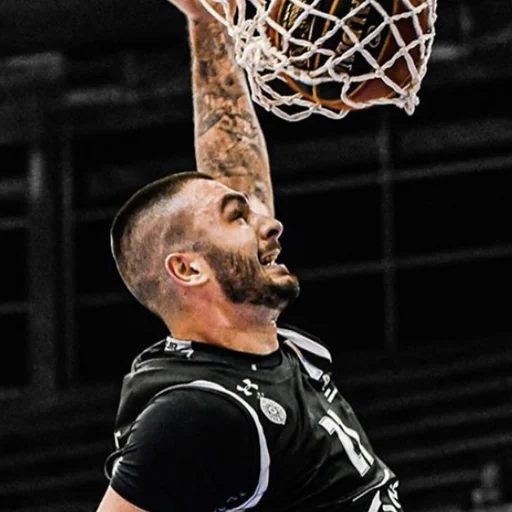
Nikola Janković
Co-founder · Former professional basketball player
Nikola Janković is a former professional basketball player — a 6'9" forward and the 2016–17 ABA League MVP — who played for Partizan, Union Olimpija and Mega, among others. Today he runs a pilates studio and gym focused on strength, mobility and overall wellbeing. He co-founded PUSHapp to make consistent, measurable training simple for everyone.