
Form & Technique
Correct Pushup Form: Master Proper Pushups
Learn the correct pushup form with step-by-step cues, proper setup, common mistakes, and beginner-to-advanced modifications.


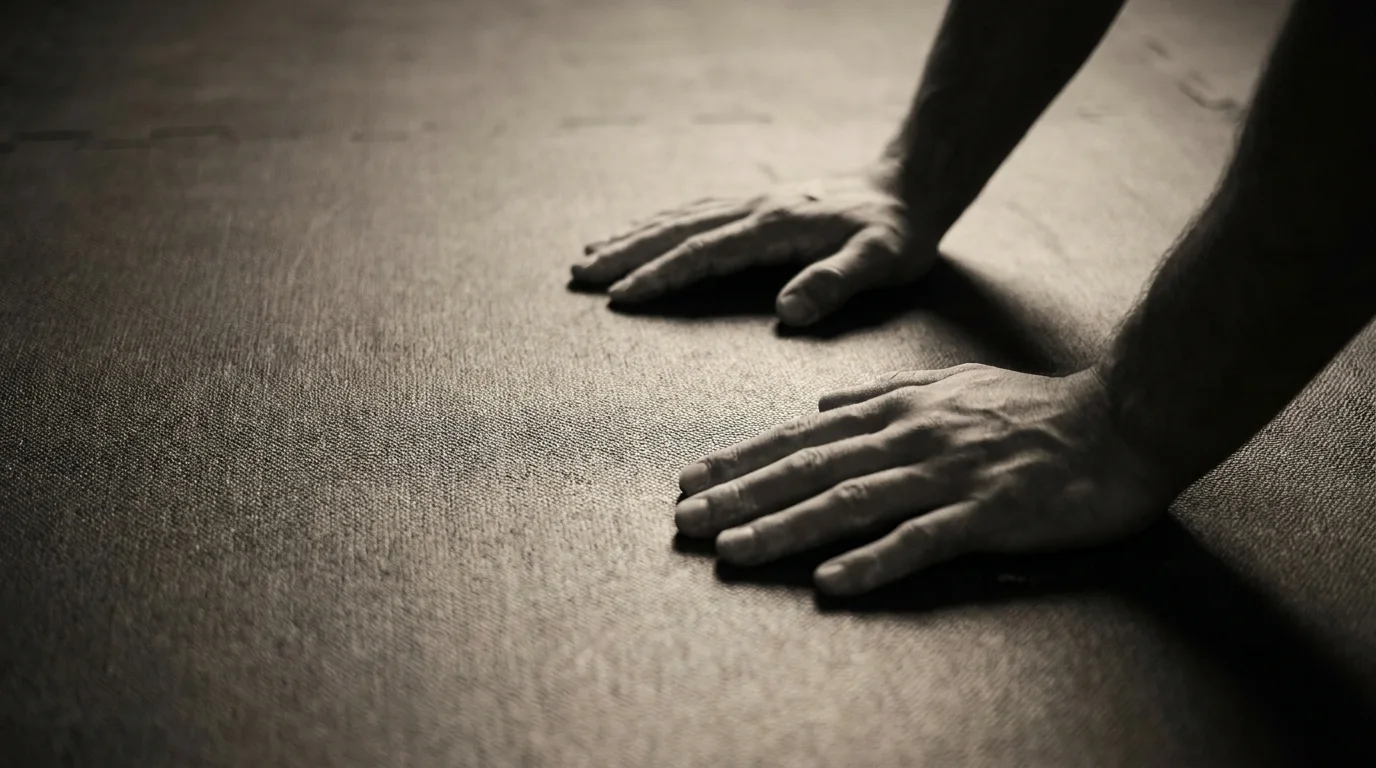
Foundations of correct push-up form: setup, alignment, and the five kinetic chain checkpoints
This is how to do a push-up with solid setup. The five kinetic chain checkpoints guide your form from hands to hips, keeping every link in line.
Hand, wrist, and forearm position
- Place hands slightly wider than shoulder width, fingers forward and evenly spread.
- Wrist position neutral, wrists in line with forearms, forearms vertical to the floor.
- Elbows track about 45 degrees from the torso; avoid flaring or tucking.
- Check hand position so load is distributed across the palms.
Spinal and pelvic alignment
- Brace the core and maintain a neutral spine with hips level.
- Keep a straight line from head to heels as you descend and press.
- Avoid sagging or piking; small glute engagement helps maintain position.
Scapular stability and breathing
- Set scapulae down and back, then hold them steady through the movement.
- Inhale on the way down, exhale on the way up.
- Maintain scapular stabilization to protect the elbows and wrists.
Step-by-Step push-up: cues, common mistakes, and real-time fixes
Starting position and setup cues
- Place hands slightly wider than shoulders, fingers spread.
- Brace core, pull ribs down, tighten glutes and thighs.
- Keep hips level, spine neutral, head steady.
- If you are learning how to perform a correct push-up form, start from a solid plank position.
Descent
- From shoulders, not hips, lower with elbows at about 45 degrees.
- Maintain a tight midsection and a straight line from heels to head.
Bottom position
- Chest comes toward the floor, elbows near 90 degrees, shoulder blades together.
- Don't let hips sag or rise.
Ascent cues
- Push the floor away, elbows hugging the ribs.
- Hips rise with the torso; head stays neutral.
- Exhale as you press up.
Reset, repeat, and real-time fixes
- If the hips sag, reset to a straight line before descending again.
- If elbows flare, cue elbows to tuck in toward the ribs.
- If the head drifts, lift gaze to a fixed spot.
Common mistakes and how to correct them
- Elbow flare and hip sag are fixed by keeping elbows tucked and hips level; practice with a wall or box to dial in the cues.
Progressions, modifications, and anatomy: tailoring push-ups to your goal
Beginner-to-Advanced progression map (reps, sets, tempo)
- Beginner: incline push-ups or knee push-ups, 2-3 sets of 6-8 reps, tempo 3-0-2.
- Intermediate: standard push-ups, 3-4 sets of 8-12 reps, tempo 2-0-1.
- Advanced: tempo variations or plyo, 4-6 sets of 6-10 reps, tempo 2-0-1.
- This progression covers push-up variations from beginner to advanced.
Modification grids by goal and equipment
- Endurance with minimal load: incline or knee push-ups, 3-4 sets of 12-20 reps.
- Strength focus: standard push-ups, 3-5 sets of 6-12 reps.
- Added load: weighted vest or deficit push-ups as appropriate.
Anatomy of push-ups: muscles involved at each phase
- Primary movers: pectoralis major, anterior deltoids, triceps.
- Stabilizers: core, glutes, serratus anterior. How to do a push-up with proper form starts with a straight line from head to heels and elbows at approximately 45 degrees.
Frequently asked questions
What is the correct push-up form?
Hands slightly wider than shoulder width, a neutral spine with hips level, elbows tracking about 45 degrees, and a braced core to maintain a straight line from head to heels through the descent and press.
Which muscles are worked the most by push-ups?
Primary movers are the pectoralis major, anterior deltoids, and triceps; stabilizers include the core, glutes, and serratus anterior.
How can I modify push-ups to fit my fitness level?
Start with incline or knee push-ups and progress toward standard push-ups as you gain control; you can add load later with a deficit or weighted vest.
What are the five kinetic chain checkpoints in a push-up?
They guide form from hands to hips and include hand and forearm position, spinal and pelvic alignment, and scapular stability and breathing.
About the authors

Goran Huskić
Co-founder · Professional basketball player
Goran Huskić is a Serbian professional basketball player — a 6'11" center currently playing for Monbus Obradoiro in Spain's Primera FEB. He won the 2019–20 Basketball Champions League with San Pablo Burgos and has competed professionally across Spain, Germany, Lithuania, Serbia and the United States. He co-founded PUSHapp to bring pro-level training discipline to everyday workouts.
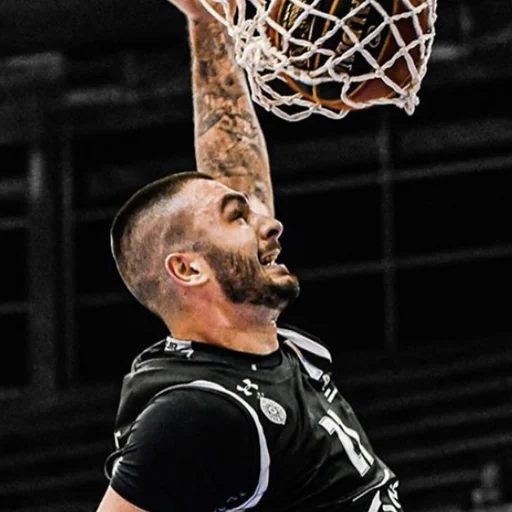
Nikola Janković
Co-founder · Former professional basketball player
Nikola Janković is a former professional basketball player — a 6'9" forward and the 2016–17 ABA League MVP — who played for Partizan, Union Olimpija and Mega, among others. Today he runs a pilates studio and gym focused on strength, mobility and overall wellbeing. He co-founded PUSHapp to make consistent, measurable training simple for everyone.