
Muscles & Benefits
Are pushups good for you: benefits and form tips
Are pushups good for you? Learn benefits, safety, and form tips, plus variations and a beginner-friendly progression to boost fitness.


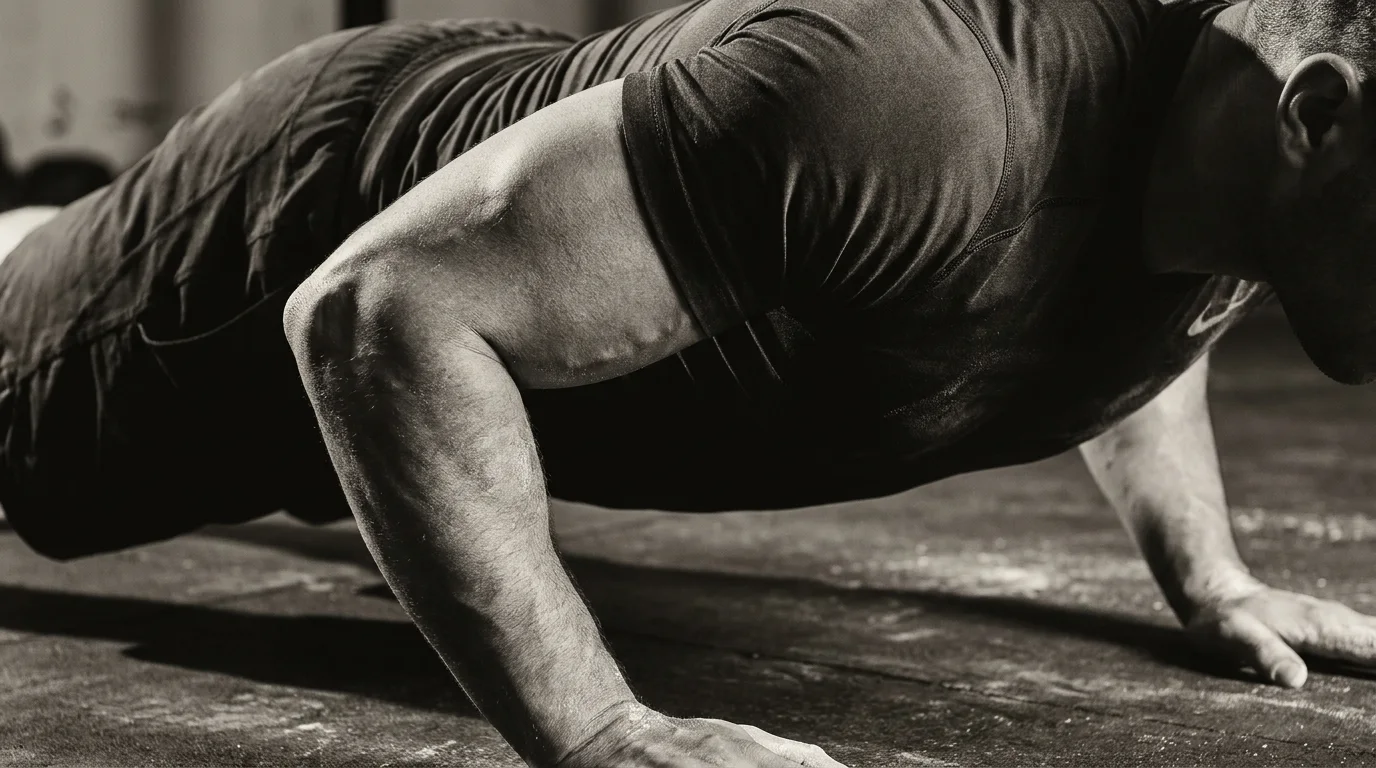
Are pushups good for you? Benefits, evidence, and common myths
Benefits at a glance
- Are pushups good for you? They build chest, shoulders, triceps, and core, supporting functional strength and better posture.
- No equipment, and they scale from push-ups for beginners (incline or wall) to advanced or weighted variants.
- They support daily tasks and can fit into a balanced routine with cardio.
Evidence and limitations
- Harvard Health notes push-up performance can reflect overall cardiovascular health in observational data.
- A JAMA firefighter study links higher push-up capacity with lower all-cause and cardiovascular mortality risk, but it’s observational.
- Limitations: non-causal inferences, findings often from specific populations (e.g., male firefighters), and pushups aren’t a stand-alone cardio program.
Myths vs reality
- Myth: pushups alone guarantee heart health. Reality: they help with strength and endurance, but cardio remains important for heart health.
- Myth: beginners can’t progress. Reality: start with incline or wall push-ups and advance gradually to full push-ups.
How to do push-ups correctly: form cues, safety, and modifications
Set-up and scapular control
- Hands under shoulders, fingers spread; feet hip-width apart.
- Brace your core and glutes; pull shoulder blades down and together to establish scapular control.
- Keep a neutral neck and gaze a few inches ahead; rib cage stays down.
Kinetic cues for alignment
- Elbows track about 45 degrees to the torso; maintain a straight line head-to-heel.
- Press through the whole hand; keep wrists comfortable—use a neutral wrist position or elevate if needed.
- Descend with control, then press hard while rotating slightly toward the palms to engage the lats.
Modifications by injury and mobility level
- Wrist or shoulder sensitivity: incline push-ups on a bench or wall; push-up bars or fists to reduce wrist bend.
- Build strength: knee push-ups or partial ROM with a higher incline; progress to full reps as mobility improves.
Common faults and fixes
- Hips sag or rise: brace core, keep hips in line.
- Elbows flaring: tuck elbows to about 45 degrees.
- Head droops: lift gaze and lengthen neck.
From test to routine: 8-12 week progression, tests, and practical variations
Baseline assessment: how to measure
Push-up test options: max reps in one set to failure with strict form, or the 60-second test. Record reps and note form (hips level, elbows at ~45°, chest to floor). This baseline guides progression.
8-12 week progression plan
- Weeks 1-2: 3 days/week; 3-6 total reps per session with wall or incline variants to learn form.
- Weeks 3-5: add knee push-ups or incline standard reps; total 6-12 reps per set; tempo 2-0-2.
- Weeks 6-9: move to full push-ups; 4 days/week; 4x8-15 reps; include a bottom hold.
- Weeks 10-12: retest; consider firefighter-style push-up test cadence or time; adjust targets to maintain progress.
Push-up variations by goal
Best push-up variations for beginners: wall, then incline, then knee; progress to standard push-ups. For endurance, add tempo or clusters.
When to pair with cardio
Schedule 2-3 days of moderate cardio; pair with push-ups when you want overall fitness or to mirror job tasks.
Frequently asked questions
Are push-ups good for your heart health?
Push-ups build upper-body and core strength and can reflect cardiovascular health in observational data, but they’re not a stand-alone cardio program. For heart health, include dedicated cardio and a balanced routine.
What are the health and fitness benefits of push-ups?
Push-ups recruit chest, shoulders, triceps, and core, supporting functional strength and posture. They require no equipment and scale from incline or wall variants to advanced or weighted versions, fitting many goals with sensible volume.
What is the proper push-up form?
Set your hands under your shoulders, brace your core, and keep a straight line from head to heels with elbows about 45 degrees. If wrists are uncomfortable, use incline variations or push‑up bars and gradually progress to full push-ups as mobility improves.
How can I progress from beginner to advanced push-ups?
Follow the 8–12 week progression: start with incline or wall push-ups to learn form, then knee or higher-incline variants, and gradually work to full push-ups. Use a baseline test to track reps and form over time.
About the authors

Goran Huskić
Co-founder · Professional basketball player
Goran Huskić is a Serbian professional basketball player — a 6'11" center currently playing for Monbus Obradoiro in Spain's Primera FEB. He won the 2019–20 Basketball Champions League with San Pablo Burgos and has competed professionally across Spain, Germany, Lithuania, Serbia and the United States. He co-founded PUSHapp to bring pro-level training discipline to everyday workouts.

Nikola Janković
Co-founder · Former professional basketball player
Nikola Janković is a former professional basketball player — a 6'9" forward and the 2016–17 ABA League MVP — who played for Partizan, Union Olimpija and Mega, among others. Today he runs a pilates studio and gym focused on strength, mobility and overall wellbeing. He co-founded PUSHapp to make consistent, measurable training simple for everyone.