
Muscles & Benefits
What Do Pushups Do? Benefits & Muscles
Discover what do pushups do for strength, endurance, and core health. Learn muscles worked, proper form, and progressions for all levels.


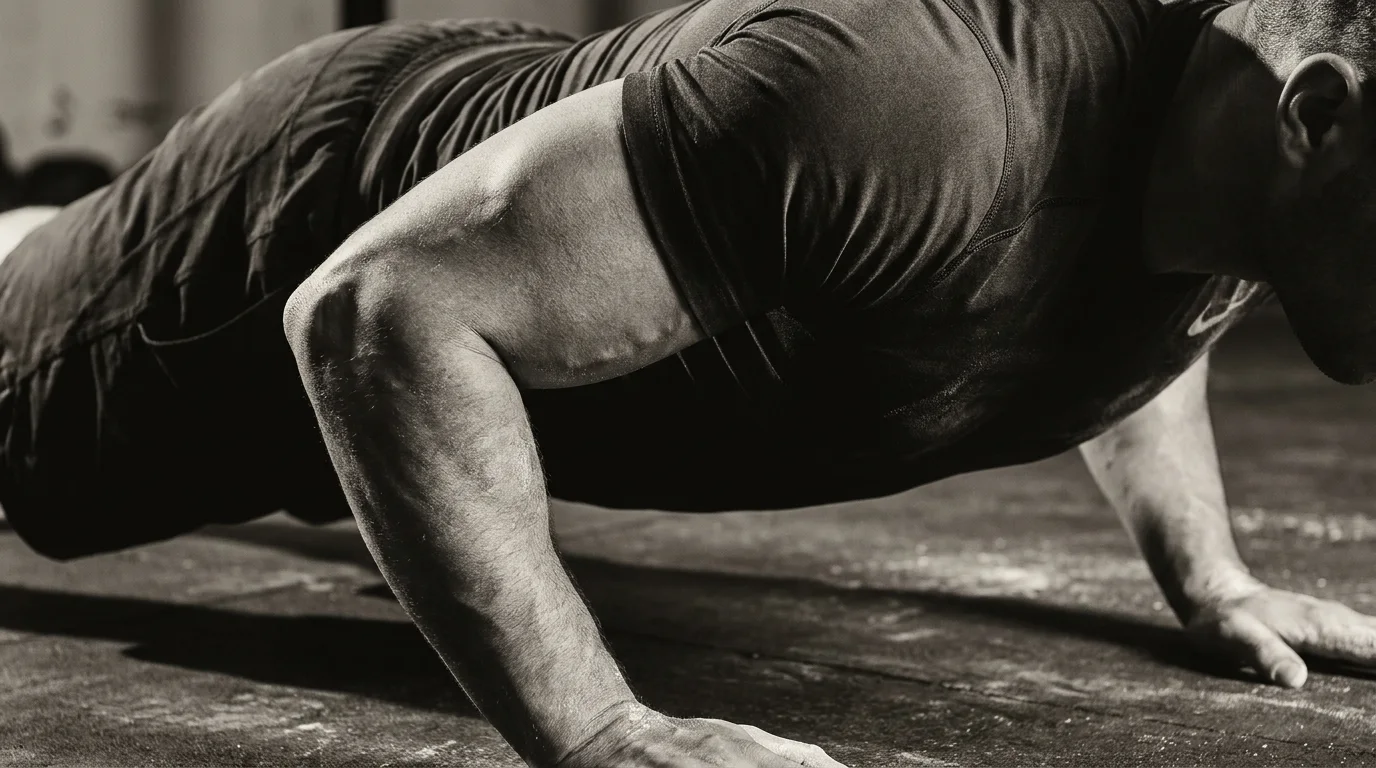
What Do Pushups Do for Your Body? Benefits, Muscles, and Function
If you’re wondering what do pushups do, the answer spans strength, stability, and daily function.
Muscles worked by push-ups: pectoralis major, anterior deltoids, triceps, and core
- Pectoralis major (chest)
- Anterior deltoids (front shoulders)
- Triceps (back of arms)
- Core for bracing (abs and obliques)
Pushups vs bench press: functional fitness, joint health, and carryover to daily life
Pushups train multiple joints and muscles in a coordinated pattern, improving how you push, brace, and transfer force in daily tasks. They emphasize core stability and shoulder control, supporting healthier joints over time. By contrast, the bench press isolates the chest and triceps on a fixed plane; pushups require balance and scapular awareness, which translates to real-life movements. For beginners, start with incline or knee push-ups to learn technique, then progress to a full push-up as your form and strength improve. This carries over to daily life: stronger pushing power with better core support, useful when lifting, pushing doors, or getting up from the floor.
Mastering Push-Up Form, Variations, and Progressions
Proper push-up form cues and common faults
- Setup: hands under shoulders, body in a straight line, core braced, glutes active.
- Cueing drills for push-ups: brace core, flatten ribcage, drive the floor away, elbows at about 45°.
- Descent: elbows ~45°, chest toward floor, hips level.
- Ascent: press floor away, full extension, exhale.
- Common faults: hips sag, elbows flare, head drops, or hands too wide.
- Fixes: tighten the core, tuck elbows, gaze a few inches ahead, adjust grip.
Progressions by goal: strength, endurance, core
- Strength: full push-ups with controlled tempo; add decline push-ups or a weighted vest as you advance.
- Endurance: higher reps, shorter rests; push-up ladders or AMRAP sets.
- Core: pause at bottom or add leg lifts during reps.
Common variations and how to scale safely (incline/decline, knee vs full, diamond, wide/narrow, pike)
- Start with incline or knee push-ups; progress to full as technique solidifies.
- Hand positions: diamond, wide, narrow; Pike increases shoulder load. Scale gradually, listen to your shoulders.
Putting Push-Ups into Programs: Tests, Templates, and Daily Use
Push-up test protocol and benchmarks
- Test protocol: perform as many push-ups as you can with strict form (hips level, core tight) until failure. Rest 60–90 seconds; repeat 2–3 times and record the best effort. For endurance, try a 2-minute test and note total reps.
- Benchmarks: use push-ups as a bodyweight measure of upper-body push capacity and core control. Bench press comparisons offer a rough gauge—if you press around your bodyweight in the bench, you’re likely solid in strength, but remember push-ups also tax torso stability and motor control.
Sample 4- to 12-week templates by goal
- Strength (4 weeks): 3 days/week, 4–5 sets of 4–8 reps; progress by 1 rep per week or advance to a stricter variation (e.g., incline to decline).
- Endurance (6–12 weeks): 3 days/week, 3–4 sets of 12–20 reps; add 2 reps per set every 2 weeks or shorten rest.
- Core (4–12 weeks): 3 days/week, 3–4 sets of 8–12 reps with brief holds or stability-focused variations between sets.
Daily usage tips and integration with other movements
- How many push-ups a day benefits: a small daily habit (e.g., 10–20 reps) can support maintenance when recovery is solid.
- Integrate with other moves: pair push-ups with pulls and squats in a balanced routine; use push-ups in warm-ups or as a finisher.
- Push-ups vs bench press: push-ups train core and shoulder stability with no equipment; bench press emphasizes load and control with external resistance. Both fit structured programs.
Frequently asked questions
What do pushups do for your body?
Pushups build strength, endurance, and core stability while supporting posture and joint health; they train multiple muscle groups in a coordinated pattern that carries over to daily tasks.
What muscles do pushups work?
They primarily target the chest (pectoralis major), front shoulders (anterior deltoids), and triceps, with the core bracing to protect the spine.
How do you perform a proper push-up and avoid injury?
Maintain a straight line from head to heels, hands under the shoulders, and elbows about 45 degrees; brace the core, keep the ribs steady, and lower with control to avoid sagging hips or flaring elbows.
Are pushups good for beginners?
Yes—start with incline or knee push-ups to learn technique, then progress to full push-ups as your form and strength improve.
About the authors

Goran Huskić
Co-founder · Professional basketball player
Goran Huskić is a Serbian professional basketball player — a 6'11" center currently playing for Monbus Obradoiro in Spain's Primera FEB. He won the 2019–20 Basketball Champions League with San Pablo Burgos and has competed professionally across Spain, Germany, Lithuania, Serbia and the United States. He co-founded PUSHapp to bring pro-level training discipline to everyday workouts.

Nikola Janković
Co-founder · Former professional basketball player
Nikola Janković is a former professional basketball player — a 6'9" forward and the 2016–17 ABA League MVP — who played for Partizan, Union Olimpija and Mega, among others. Today he runs a pilates studio and gym focused on strength, mobility and overall wellbeing. He co-founded PUSHapp to make consistent, measurable training simple for everyone.