
Form & Technique
How to Do Pushups Correctly: Form & Variations
Learn how to do pushups correctly with step-by-step form, variations for all levels, and tips from credible health sources.


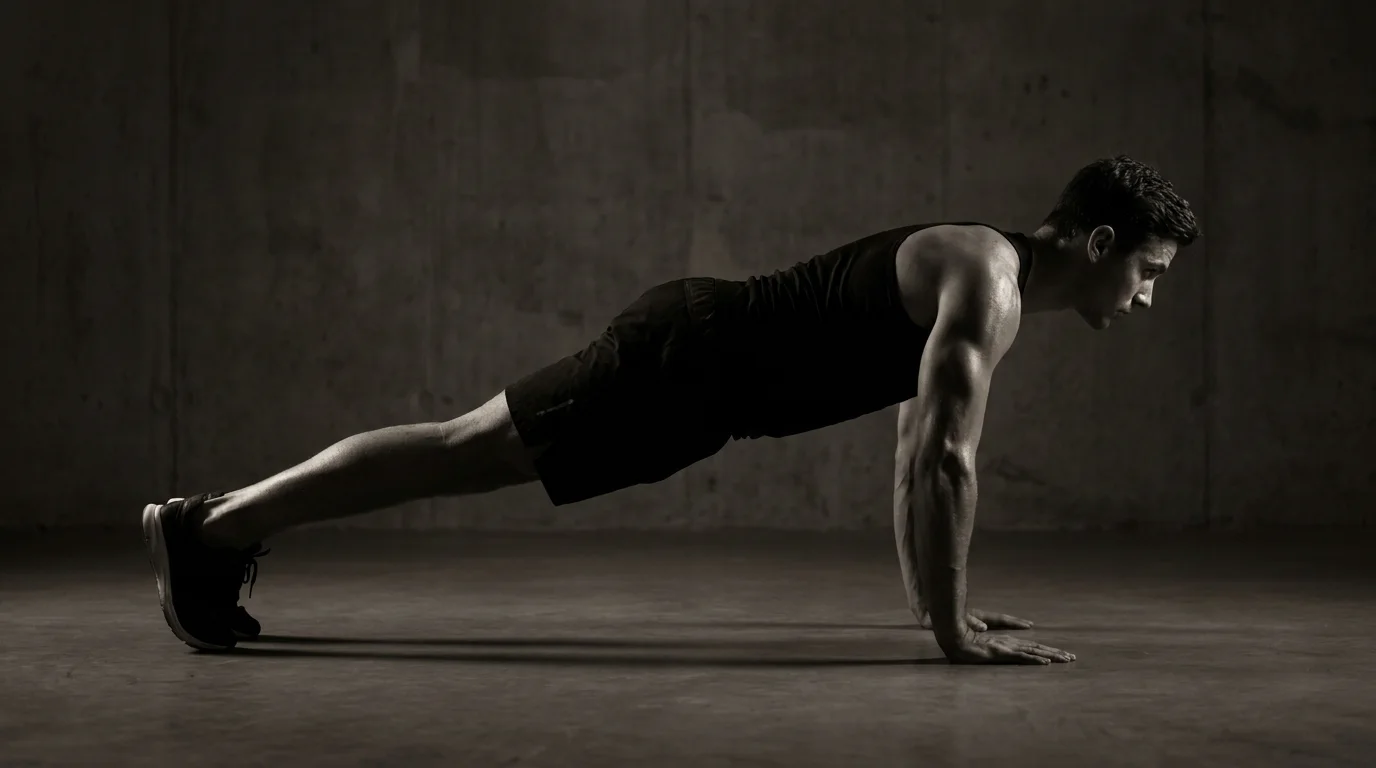
Foundations of Push-Up Form: Scapular Stability, Core Bracing, and Tempo
Starting positions and progression for beginners (knee push-ups, incline push-ups)
- Knee push-ups: hands under shoulders, knees under hips, hips in line with the spine. Press the floor away and squeeze the shoulder blades as you rise and lower.
- Incline push-ups: hands on a bench; feet back until you can manage a full push-up, then gradually decrease the incline toward the floor.
Scapular stability and core engagement
- Squeeze shoulder blades down and back before you press, and keep them steady as you descend.
- Brace the core; imagine a belt tightening. Maintain a long spine from head to heels.
Tempo and breathing cues to maximize control
- Tempo: 2 seconds down, 1 second pause, 2 seconds up.
- Breathing: inhale on the way down, exhale on the press.
Common form mistakes and practical fixes
- Hips sag: brace the core and glutes; adjust height or revert to a knee push-up.
- Elbows flare: tuck them to about 45 degrees.
- Rushing reps: slow down to preserve control.
Evidence-based cues from Harvard Health, Cleveland Clinic, and ACE
- Harvard Health: brace the core and keep a neutral spine.
- Cleveland Clinic: scapular stability supports shoulder health.
- ACE: emphasize controlled tempo and mindful breathing.
Push-Up Variations: Grips, Angles, and Safe Progressions
Incline, standard, and military push-ups: a progression ladder
- Incline push-up: hands on a bench or wall; body in a straight line. Lower elbows to ~45 degrees until chest touches; press back up. Progress by lowering the surface.
- Standard push-up: hands under shoulders; core braced; straight line from head to heels. Lower until chest near the floor; press up.
- Military push-up: hands closer to midline, elbows tucked. Maintain a rigid line; lower and press, elbows brushing the ribs.
Wide vs diamond vs neutral grips and when to use them
- Wide push-up: hands wider than shoulders; chest emphasis with controlled elbows.
- Diamond push-up: hands under chest forming a diamond; higher triceps demand.
- Neutral grip push-up: palms facing each other; often gentler on shoulders and wrists.
Advanced grip/position variations: Pike, hand-distance, and one-arm push-up prerequisites
- Pike push-up: hips high; head toward floor; bend elbows and press up.
- Hand-distance: vary from narrow to wide; keep hips level and back straight.
- One-arm prerequisites: solid standard push-ups, core stability, and comfort with incline/archer progressions.
Safety notes and injury considerations
- Warm up; maintain proper push-up technique. Stop if pain or form breaks. Progress gradually; respect joints.
Injury Prevention, Programming, and Evidence-Based Guidance
Safe, smart warm-ups and a gradual workout programming plan help you progress from beginner to advanced while protecting wrists and shoulders. Credible guidance from Harvard Health, the Cleveland Clinic, and ACE informs these practices, focusing on tempo, breathing, and controlled progression for how to do a push-up correctly.
Wrist and shoulder safety: modifications and supportive cues
- Warm up the wrists with circles and gentle pliés; start on a wall or incline to reduce load.
- Use incline push-ups, push-up bars, or a fist stance to minimize excessive wrist extension.
- Keep wrists stacked under shoulders; elbows at ~45 degrees; retract the shoulder blades to protect the joint.
- If pain arises, switch to a lighter variation and revisit form later.
Tempo, breathing, and bracing: optimizing control and stability
- Inhale on the descent, exhale as you press up; maintain a steady rhythm.
- Use a solid core brace (imagine a belt) and avoid letting the hips sag or rise.
- Aim for a controlled tempo (about 2 seconds down, 1 second up) and maintain neutral spine.
Structured progression timeline: 8-12 weeks to full push-up with milestones
- Weeks 1–2: wall or incline push-ups, 3–4x6–10.
- Weeks 3–4: incline on a bench or low surface, 3–4x8–12.
- Weeks 5–6: knee push-ups on the floor, 3–4x6–12.
- Weeks 7–12: progress to standard push-ups, 3x6–12, adding tempo or pauses as able.
Common form mistakes and fixes (sagging hips, flared elbows, looking up)
- Sagging hips: tighten glutes and abs; align spine.
- Flared elbows: tuck elbows to ~45 degrees.
- Looking up: keep gaze neutral, chin tucked, head in line with spine.
Frequently asked questions
What is the correct push-up form and what are common mistakes to avoid?
Start tall with hands under or just outside the shoulders, engage your core and glutes, and keep a neutral spine with elbows around 45 degrees as you lower. Common mistakes include hip sagging, elbows flaring, and rushing reps—prioritize a controlled tempo and a brief pause at the bottom if needed.
How can I modify push-ups if I can’t do a full push-up yet?
Begin with wall or incline push-ups, then move to knee push-ups, and gradually work toward full depth. Maintain the same cues—brace the core, control the scapular movement, and use a deliberate tempo to build strength safely.
What are the best variations for beginners?
Kick off with incline or knee push-ups to learn form, then progressively lower the incline toward the floor and add occasional paused reps while keeping technique crisp.
What’s the difference between beginner and advanced push-ups?
Beginners use a ladder of wall, incline, and knee push-ups toward standard push-ups with proper form and tempo, while advanced versions include full-depth push-ups with a straight line and harder grips (military, diamond) or paused reps.
About the authors

Goran Huskić
Co-founder · Professional basketball player
Goran Huskić is a Serbian professional basketball player — a 6'11" center currently playing for Monbus Obradoiro in Spain's Primera FEB. He won the 2019–20 Basketball Champions League with San Pablo Burgos and has competed professionally across Spain, Germany, Lithuania, Serbia and the United States. He co-founded PUSHapp to bring pro-level training discipline to everyday workouts.
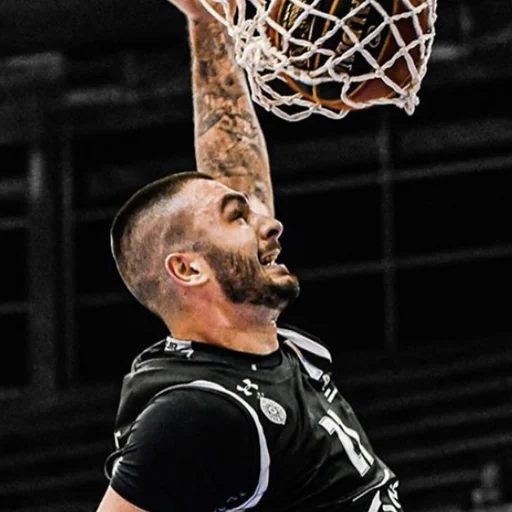
Nikola Janković
Co-founder · Former professional basketball player
Nikola Janković is a former professional basketball player — a 6'9" forward and the 2016–17 ABA League MVP — who played for Partizan, Union Olimpija and Mega, among others. Today he runs a pilates studio and gym focused on strength, mobility and overall wellbeing. He co-founded PUSHapp to make consistent, measurable training simple for everyone.