
Form & Technique
How to Do Pike Pushups: Form & Steps
Learn how to do pike pushups with proper form, including setup, elbow angle, muscles worked, and progressions.


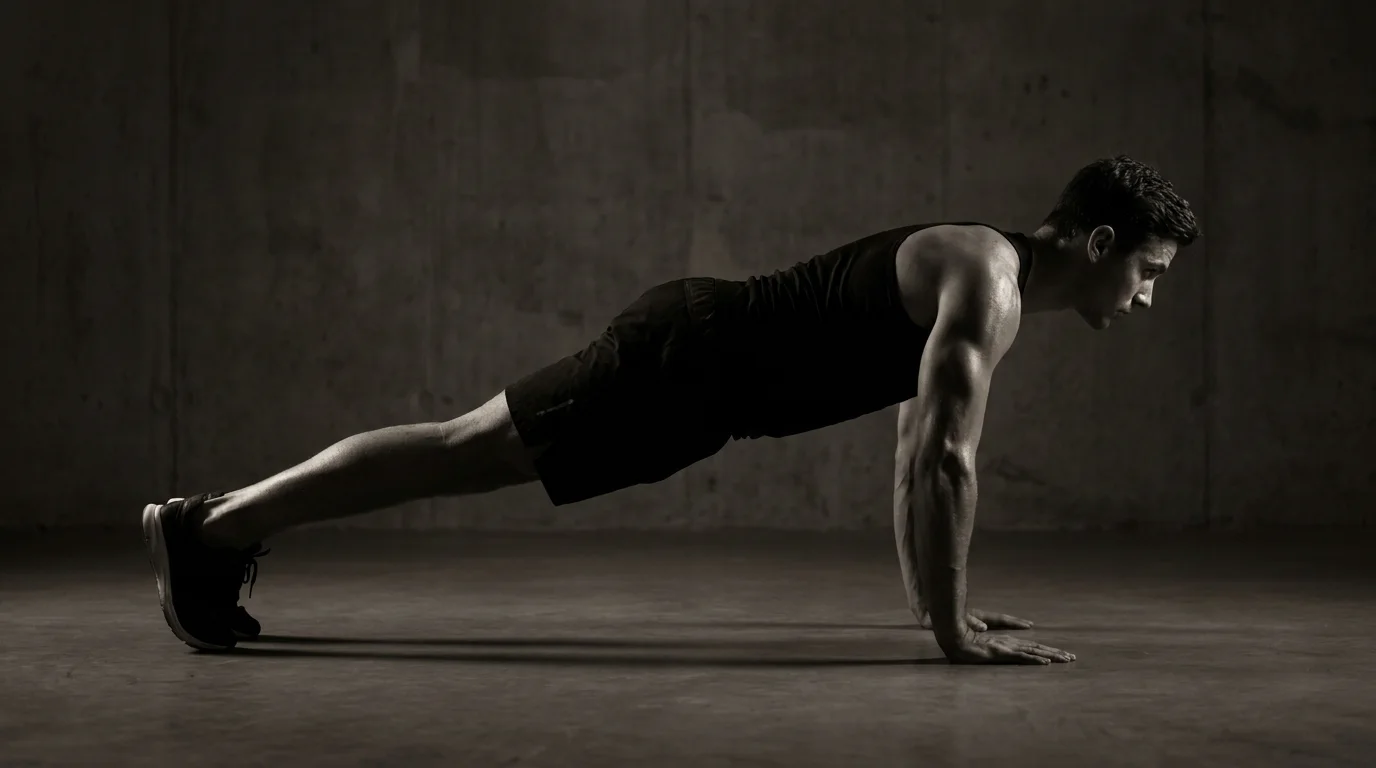
Pike Pushup Setup: Alignment, Hand Placement, and Elbow Angle
Starting Position: From Downward Dog to Pike
Start in downward dog: heels toward the floor, hips high, spine long. Use downward dog hand placement—hands under the shoulders with fingers spread. Walk your feet forward until your torso sits over your hands and you form a piked position. Keep the core braced and neck neutral. This sequence is a practical way to approach how to do pike pushups.
Maintaining Hip and Spine Alignment
Hips stay high; spine stays in a straight line from wrists to hips. Avoid chest sag and shoulder collapse. Draw the ribs in and maintain a stable brace as you move, locking in pike pushup form.
Elbow Angle and Shoulder Mobility: 45 Degrees and Variations
Aim for about a 45-degree elbow bend as you descend. If shoulders feel tight, widen hand placement or limit depth so you stay around 60–70 degrees, then progress.
Hand Placement and Head Position
Place hands slightly wider than shoulder width, fingers spread. Keep the head in a neutral line, gaze toward the floor between your hands.
Breathing and Readiness Cues
Inhale to prepare, exhale as you bend elbows and lower. Inhale to press back up, returning to the piked start with control.
Pike Pushup Execution: Tempo, Variations, and Common Faults
Step-by-Step Execution with Tempo
- Start in a pike: hips high, hands under shoulders, core braced, scapula depressed.
- Tempo: descend 3 seconds (eccentric), 1-second pause at bottom, press up about 1.5 seconds; exhale on the way up.
- Elbows tuck slightly, neck neutral, weight evenly between hands.
- Maintain a solid torso—don’t let hips sag or head drift.
Progressions from Kneeling to Full Pike
- Kneeling pike pushups: hips high, knees on the floor; reduces load and range.
- Supported variations: hands on a box/bench to fine‑tune difficulty.
- Full pike pushups: hips high, legs straight; lower until your head nears the floor between hands.
- Focus on scapular depression and core engagement throughout.
Common Faults and Fixes
- Elbows flare: tuck them in; cue elbows to track toward ribs.
- Hips sag or pike is too shallow: engage glutes and abs; restore neutral spine.
- Neck strain: keep neck neutral; eyes look slightly ahead.
- Rushing: slow to match tempo; use the eccentric pause as a reset.
Video-Ready Cue Checklist
- Hips high, inverted-V; scapular depression.
- Core braced; elbows softly tucked; weight through palms.
- Descend with control; eccentric pause; bottom pause.
- Push tall; full extension; exhale on press.
Muscles Worked, Prerequisites, Progression Tracking, and Comparisons
Muscles and Stability Demands
- Pike pushup muscles worked focus on the shoulders and triceps, with the upper chest adding help.
- Secondary work comes from serratus anterior, traps, rhomboids, and the core (with glutes stabilizing the hips).
- Stability demands include scapular control and thoracic spine extension; the wrists and neck should stay tolerant to the position.
Prerequisites and Prehab for Safe Piking
- Prerequisites: solid incline-pushup strength, basic hollow-core control, and comfort holding a pike posture.
- Prehab and mobility: thoracic spine extension drills (foam roller), scapular push-ups and wall slides, shoulder mobility work, and light wrist drills.
Progression Tracking: How to Progress Weekly
- Track week-to-week reps, tempo, and depth (hip angle) in a simple log.
- Progressions: add reps, deepen the pike slightly, or add a set. Example ladder: incline pikes → floor partial ROM → floor full ROM.
Pike Pushups vs Decline Pushups: Activation and Load
- Pike pushups favor shoulders and triceps; more vertical load.
- Decline pushups shift activation toward the upper chest and front delts, with a different joint-load pattern.
Frequently asked questions
What is the proper form for a pike push-up?
Start with hips high in a piked position and hands under the shoulders, feet about hip-width apart. Keep a neutral neck and braced core, descend by bending the elbows to roughly 45 degrees while maintaining a straight spine, then press back up with control without letting the hips sag or ribs flare.
How do you progress from regular push-ups to pike push-ups?
Begin with easier progressions: kneeling pike push-ups or incline pike push-ups with hands on a box or bench, then move to full floor pike push-ups as strength grows. To increase demand, raise your feet to a higher surface or add controlled negatives and holds.
Are pike push-ups suitable for beginners?
Yes, but start with incline or kneeling variations and prioritize clean form; stop if you feel sharp shoulder pain and progress only once your shoulders and core are solid.
How can I make pike push-ups harder or easier?
Easier options include incline surfaces, kneeling position, or wall-supported variations; harder options are raising the feet to a higher surface, adding controlled negatives, or performing full pike push-ups with strict tempo.
About the authors

Goran Huskić
Co-founder · Professional basketball player
Goran Huskić is a Serbian professional basketball player — a 6'11" center currently playing for Monbus Obradoiro in Spain's Primera FEB. He won the 2019–20 Basketball Champions League with San Pablo Burgos and has competed professionally across Spain, Germany, Lithuania, Serbia and the United States. He co-founded PUSHapp to bring pro-level training discipline to everyday workouts.
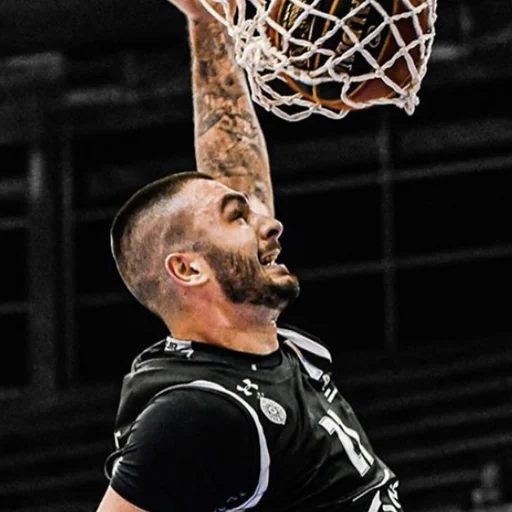
Nikola Janković
Co-founder · Former professional basketball player
Nikola Janković is a former professional basketball player — a 6'9" forward and the 2016–17 ABA League MVP — who played for Partizan, Union Olimpija and Mega, among others. Today he runs a pilates studio and gym focused on strength, mobility and overall wellbeing. He co-founded PUSHapp to make consistent, measurable training simple for everyone.