
Variations & Types
Hardest Push-Up Variations: Master Tiered Progressions
Explore the hardest pushup variations, how experts rank them, and practical progressions from beginner to master.

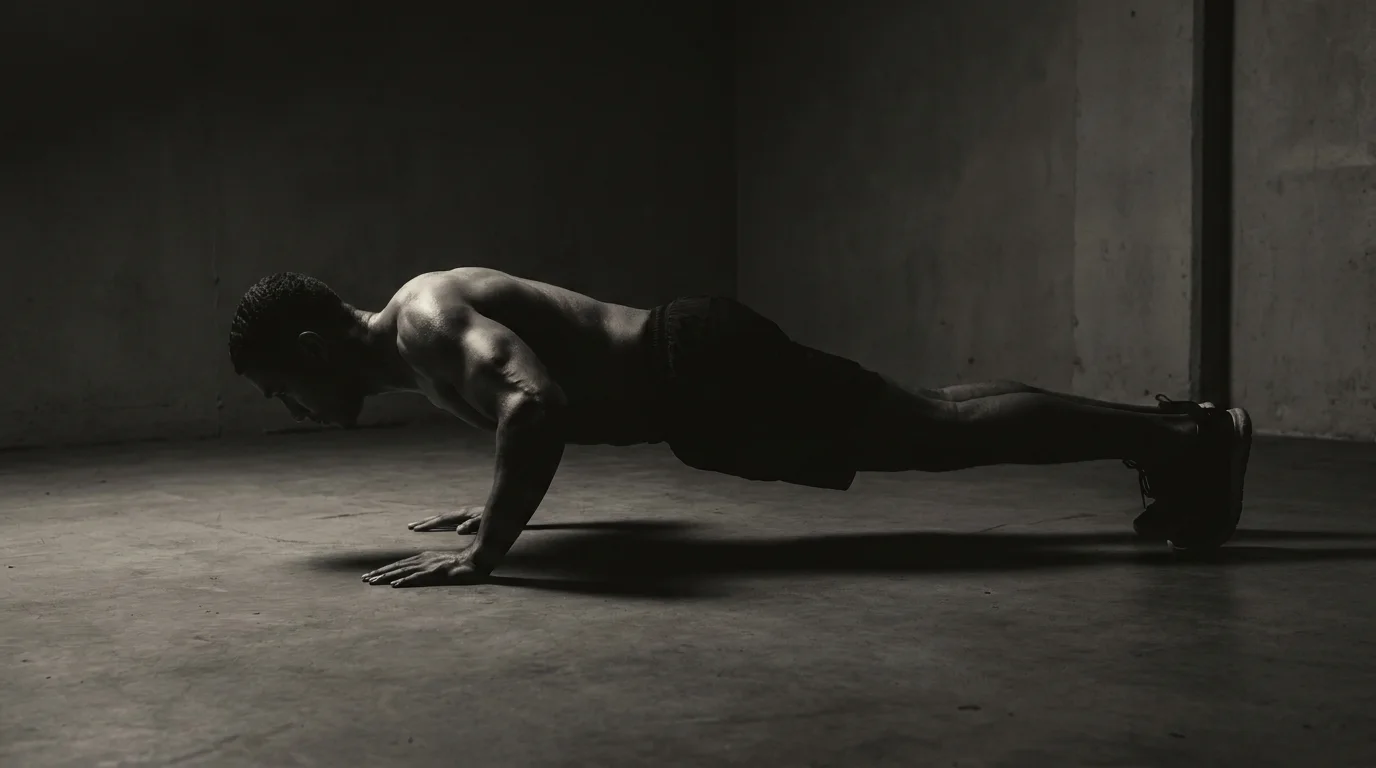
Hardest pushup variations: science-backed rankings and practical implications
grf-based rankings: how difficulty is measured
Ground reaction force data reflects the peak loads and the torque demands a variation places on the shoulders and spine. Variations with a large forward lean, a narrow base of support, or a held static position tend to show higher grf peaks. In general, the toughest moves sit toward the top of the curve: planche push-up progression and the one-arm push-up. The archer push-up and pseudo planche push-up follow, then diamond and Spiderman push-ups.
from equipment to skill: grouping variations by feasibility
- No gear, floor-based options you can train now: Spiderman push-up, diamond push-up.
- Progression-focused moves that require leverage or technique: archer push-up and pseudo planche push-up.
- Advanced feats that demand strict planche control or single-arm strength: planche push-up progression and the true one-arm push-up.
interpreting rankings for training planning
Use the rankings to set realistic ceilings for a block. Build a base with incline or knee versions first, then add technique work for archer and diamond variations. When ready to chase the top end, adopt an eccentric push-up progression and specify clear, time-bound milestones. End with a concrete plan: pick two progressions and schedule three sessions per week.
Master tiered progressions: week-by-week templates from beginner to master
week-by-week templates: beginner to intermediate to advanced
weeks 1-4: wall push-ups 3 sets of 8-12 reps; incline push-ups 3 sets of 6-10 reps. Gate: control through full range, tempo 2 seconds down 1 second up.
weeks 5-8: add decline push-ups 3x6-12; Spiderman push-ups 2x6-8 per side; diamond push-ups 3x6-8. Rest 60-90 seconds; maintain crisp form.
weeks 9-12: archer push-ups 3x4-6 per side; pseudo planche push-up progressions 3x4-6 with bench support; eccentric push-up progression 2-3x3-5; planche lean 15-25 seconds.
weeks 13-16: planche push-up progression starts with tuck planche push-ups 3x2-4; one-arm push-up progression 2x2-4 per side on a raised surface; aim for a solid control gate on each variation.
variation-specific cues and progression gateways
Use wall to incline to decline as a visible ladder. When you can complete 4x8-12 with clean form, advance.
Move from bilateral to unilateral when both sides stay within 2 reps of each other for at least two workouts.
Add eccentric push-up progression to increase time under tension before hard reps.
equipment-based progressions and graduation paths
- Start with a sturdy chair or bench, then progress to parallel bars or low rings. Remove support gradually, and check alignment before harder gates. If you can hold a tuck planche lean for 20 seconds and perform 2-4 tuck planche push-ups, you're ready for the next stage.
Safety, form cues, and graduation paths: injury risk, regressions, and mastery
general form cues by category
- Keep spine neutral, core braced, hips level.
- Shoulders stay stacked away from the ears; avoid shrugging.
- Elbows bend to about 45 degrees and track not too far forward.
- Hands under the chest, fingers spread for stability.
- Neck in a neutral line, gaze a few inches ahead.
- Breathe: inhale on the way down, exhale on the way up.
regressions and safe progressions for each variation
- Wrist or shoulder sensitivity: start with incline or knee push-ups, then progress to standard as pain subsides.
- For planche or one arm: use eccentric progressions first, with both arms or a support hand.
- From intermediate to advanced: add controlled tempo, pause at the bottom, then move to more demanding angles like archer or pseudo planche lean.
common mistakes and how to fix them
- Elbows flare out; fix by guiding elbows closer to the rib cage.
- Hips sag or butt rise; fix by engaging glutes and maintaining a straight line.
- Neck jams up or down; fix by keeping gaze forward and neck relaxed.
- Short ROM; fix by lowering range gradually before pushing higher.
Graduation paths emphasize safe regressions and sustainable jumps toward one-arm push-ups and planche progressions.
Frequently asked questions
Which push-up variation is the toughest?
The toughest moves are at the top of the difficulty curve: planche push-up progression and the true one-arm push-up. The archer push-up and pseudo planche push-up follow, then diamond and Spiderman push-ups.
How long does it take to progress to a one-arm push-up?
In the plan described, you start one-arm push-up progression in weeks 13 to 16 on a raised surface, after building the base in earlier blocks.
How should I program push-up variations for progression?
Follow the block ladder: weeks 1 to 4 include wall push-ups and incline push-ups; weeks 5 to 8 add decline, Spiderman, and diamond push-ups; weeks 9 to 12 bring archer and pseudo planche progressions; weeks 13 to 16 introduce planche progressions and one-arm progression.
What muscles do push-ups work, and how does that change with variation?
Push-ups engage the chest, shoulders, triceps, and core; as you move toward planche and one-arm variations, stability and loading demands increase, shifting some emphasis toward balance and core control.
About the authors
Goran Huskić
Co-founder · Professional basketball player
Goran Huskić is a Serbian professional basketball player — a 6'11" center currently playing for Monbus Obradoiro in Spain's Primera FEB. He won the 2019–20 Basketball Champions League with San Pablo Burgos and has competed professionally across Spain, Germany, Lithuania, Serbia and the United States. He co-founded PUSHapp to bring pro-level training discipline to everyday workouts.
Nikola Janković
Co-founder · Former professional basketball player
Nikola Janković is a former professional basketball player — a 6'9" forward and the 2016–17 ABA League MVP — who played for Partizan, Union Olimpija and Mega, among others. Today he runs a pilates studio and gym focused on strength, mobility and overall wellbeing. He co-founded PUSHapp to make consistent, measurable training simple for everyone.