
Variations & Types
Bear Pushups Bent Knee Variation: How To Do
Learn the bear pushups bent knee variation with step-by-step technique, benefits, and progression paths to build upper-body and core strength.

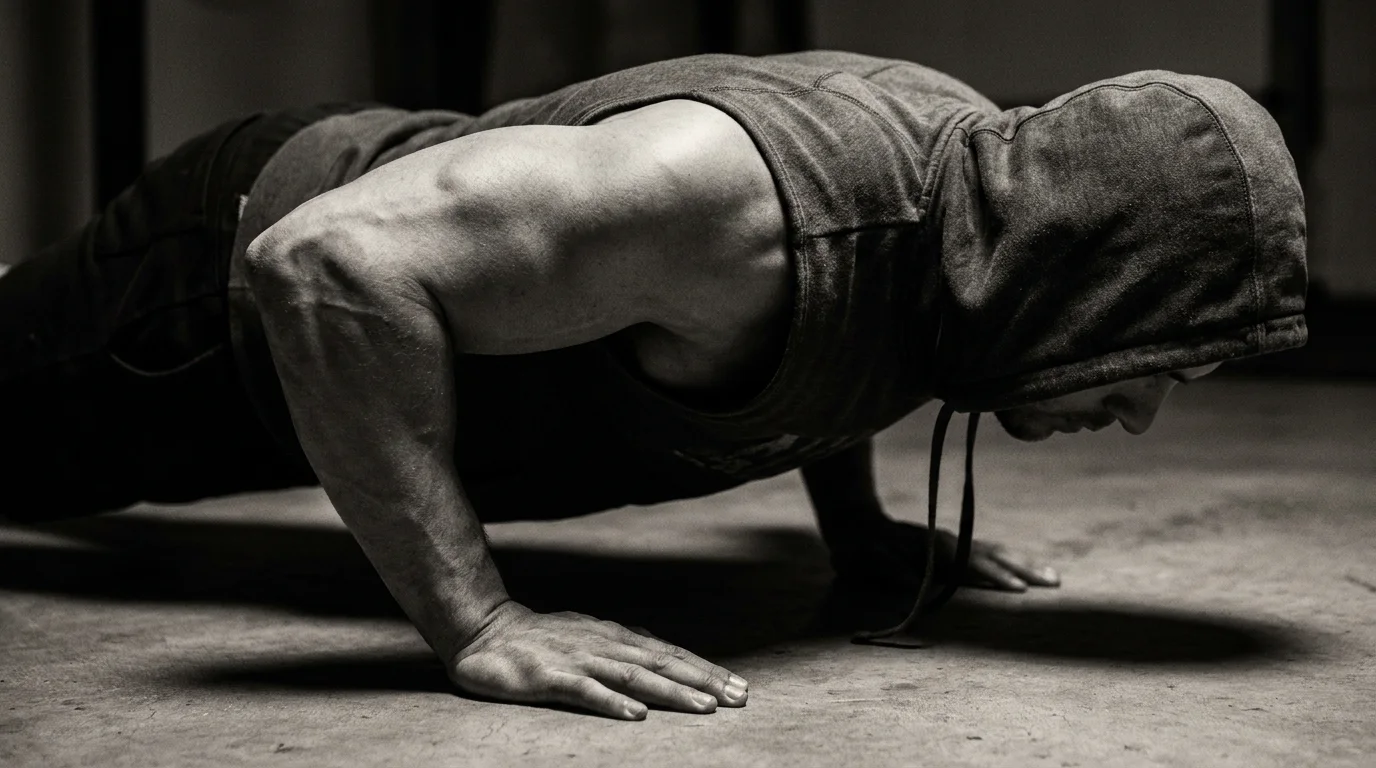
Mastering the bent-knee bear pushup: technique, tempo, and cues
setup and positioning
Bear position with hands under shoulders, knees under hips, hips high, spine neutral. Knees bent about 90 degrees, feet roughly hip width. Brace your core and keep hips level as you start.
tempo, breathing, and cadence
Lower for two seconds, no bottom pause, push up in two seconds. Inhale on the way down, exhale on the way up.
activation cues and targeted muscles
Think chest first, then press with the triceps. Engage the pecs, deltoids, and core to keep the torso steady and the hips from swinging.
common bent-knee mistakes and fixes
Hips sag or twist: brace and maintain a level pelvis. Elbows flare: tuck to about 45 degrees. Repping shallow range: deepen the movement gradually to a comfortable full range.
bear push-ups versus other push-up variants
This variant sits between a knees push-up and a full bear push-up in load, and it tends to require more shoulder stability than incline push-ups or pike push-ups, while less than a one-arm push-up. bear pushups bent knee variation is a form many athletes use as a bridge sequence.
Structured progressions, weekly programming, and warm-up for bear pushups bent knee variation
Use this repeatable progression to move from the bear pushups bent knee variation toward knee push-ups and full push-ups with clean control. The plan includes a warm-up, tempo guidelines, a four week progression, and options for advanced variations.
warm-up and mobility sequence for bear pushups
- thoracic mobility: gentle rotations and openers to loosen mid back
- hip hinge cueing: coach the hips to bend at the hips, not the spine
- shoulder activation: a few rounds of band pull-aparts and scapular push-ups to wake the pressing muscles
tempo, cadence, and breathing for progression
- use a controlled tempo: down two counts, pause one count at the bottom, up two counts. Exhale on the press
- add a bottom hold of one second when you can maintain form
4-week progression plan: sets, reps, and volume
- week 1: 3x6-8 bent-knee bear pushups
- week 2: 4x6-8 bent-knee bear pushups plus 2x3-5 knee push-ups
- week 3: 4x6-8 knee push-ups plus 2x4 incline push-ups
- week 4: 4x6-8 incline push-ups or 2-3x6-8 full push-ups Advance when all reps look controlled with a neutral spine and no sagging.
advanced variations and when to use them
- isometrics and tempo holds: pause at bottom 1-2 seconds to build stability
- banded options: use a light band to ease into the bottom range or add resistance for a tougher press
- monitoring progression: log rep quality, range of motion, and any compensation patterns; progress when you can maintain form across all sets
Shoulder health, activation, and comparison with knee and standard push-ups
bent-knee bear pushups vs knee push-ups vs full push-ups: activation and joint load
Bent-knee bear pushups place you in a bear position with the hips lifted and knees lightly bent. This setup keeps the push distance shorter and changes how the scapula moves, so you still need solid scapular control. Knee push-ups reduce hip off the ground and shorten the range, often easing shoulder and core load. Full push-ups use a longer range and can increase activation in the chest, front deltoids, and triceps, with more shoulder blade movement.
shoulder health cues: scapular control and alignment
Aim for even shoulder blade movement, avoid shrugging the traps, and keep a neutral spine. Press away from the ground to prevent sinking, and keep the head in line with the spine.
common bent-knee form mistakes and fixes
Hips sagging fixes with a glute squeeze and core brace. Knees drifting inward correct with feet and knee alignment tracking toward the toes.
accessible variations, monitoring engagement, and progression tips
Use tempo holds at the bottom, 2 to 3 seconds, then press up. Band assisted options reduce load; try incline push-ups or pike push-ups as needed. For advanced goals, explore diamond or one-arm push-ups, but only after solid form is established. Use how to modify push-ups with bent knees to guide regressions and progressions.
Frequently asked questions
What is a bent-knee bear push-up and how does it differ from a standard bear push-up?
A bent-knee bear push-up is performed in a bear position with hips high and knees softly bent, lowering the chest by bending the elbows near the ribs and pressing back up with a controlled tempo. It sits between a knee push-up and a full bear push-up in load and tends to demand more shoulder stability than incline push-ups or pike push-ups, but less than a one-arm push-up.
How do you perform a bent-knee bear push-up safely and effectively?
Start in bear position with hands under shoulders, hips over knees, hips high, spine neutral, and knees bent about 90 degrees. Brace your core and keep the hips level as you lower for two seconds with elbows close to your ribs, then press back up in two seconds, inhaling down and exhaling up. Focus on chest engagement and stabilizing the torso throughout.
What are good progressions to move from knee push-ups to full push-ups?
Progress by moving from bent-knee bear push-ups to knee push-ups, then incline push-ups, then full push-ups using a four week plan. Week 1 3x6-8 bent-knee; Week 2 add 2x3-5 knee push-ups; Week 3 4x6-8 knee push-ups plus 2x4 incline push-ups; Week 4 incline push-ups or 2-3x6-8 full push-ups.
What are common mistakes to avoid when performing push-ups and their variations?
Common bent-knee mistakes include hips sagging or twisting, elbows flaring, and shallow range of motion. Fix by bracing and keeping a level pelvis, tucking the elbows to about 45 degrees, and deepening the movement gradually while maintaining form.
About the authors

Goran Huskić
Co-founder · Professional basketball player
Goran Huskić is a Serbian professional basketball player — a 6'11" center currently playing for Monbus Obradoiro in Spain's Primera FEB. He won the 2019–20 Basketball Champions League with San Pablo Burgos and has competed professionally across Spain, Germany, Lithuania, Serbia and the United States. He co-founded PUSHapp to bring pro-level training discipline to everyday workouts.
Nikola Janković
Co-founder · Former professional basketball player
Nikola Janković is a former professional basketball player — a 6'9" forward and the 2016–17 ABA League MVP — who played for Partizan, Union Olimpija and Mega, among others. Today he runs a pilates studio and gym focused on strength, mobility and overall wellbeing. He co-founded PUSHapp to make consistent, measurable training simple for everyone.