
troubleshooting
Hands Slipping During Pushups? Fixes & Variations
Discover why hands slipping during pushups happen and how grip variations, surfaces, and wrist-friendly tweaks can fix it.


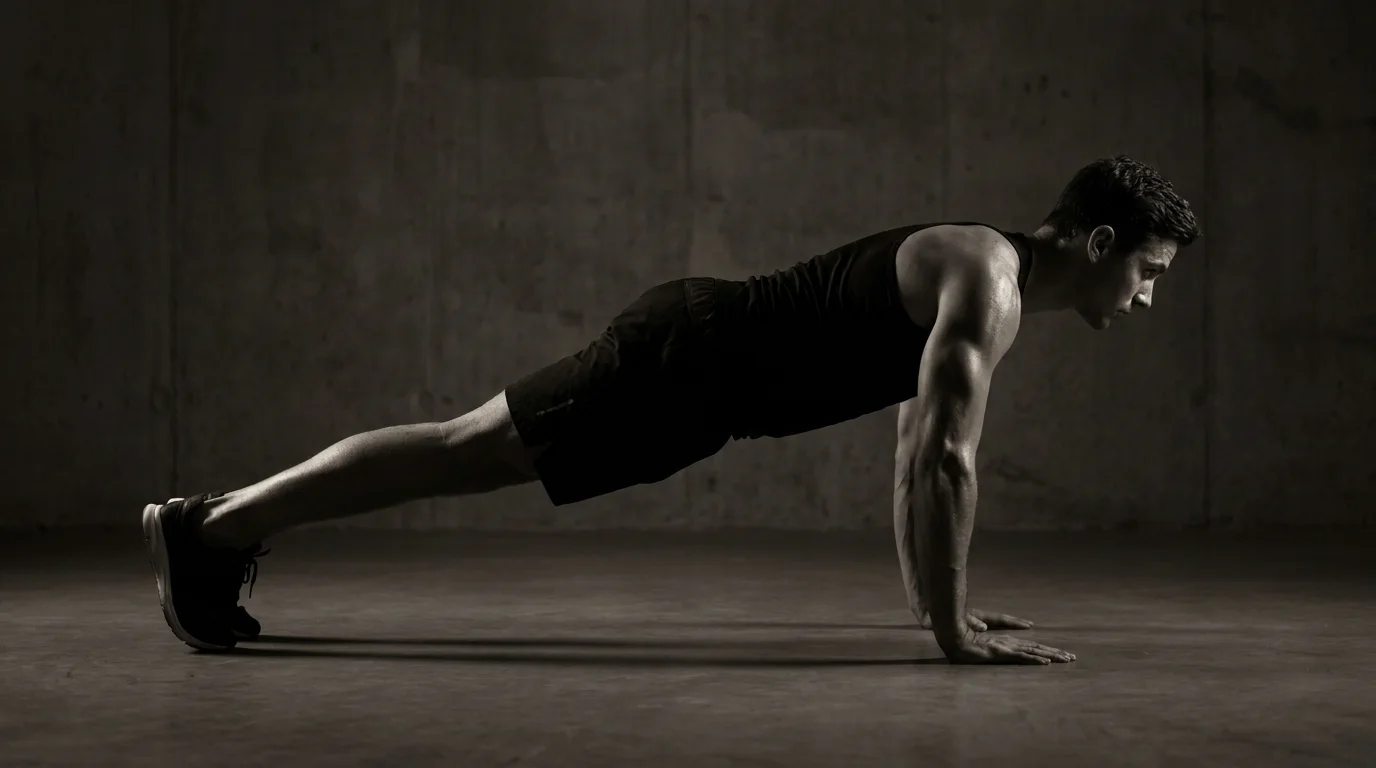
Understanding slips: biomechanics, hand positions, and surfaces
Grip mechanics and friction at the hands
Hands slipping during pushups happens when grip friction can't counter the load. Sweat, moisture, and slick textures lower traction at the palm. A clean, dry hand on a textured mat improves grip. If needed, chalk or a tacky grip option can help, but avoid smooth, polished surfaces.
Hand position effects on elbow/forearm torque
Hand placement changes the path of load through the arm. A wider grip reduces wrist flexion but can raise elbow and forearm torque; a narrow grip increases elbow flexion and forearm twist. Aim for a moderate hand position that keeps wrists stacked over elbows.
Surface texture and grip safety
Texture matters more than you think. Rougher mat fibers grip sweaty hands; glossy floors invite slips. Keep the surface clean and dry before and during sets.
Practical slip-prevention cues
- Set a neutral wrist and keep it aligned with your forearm
- Spread fingers, press through the base of the palm
- Lock in a stable core and shoulder position
- Check grip and surface between sets
Grip variations, tools, and surface choices for wrist safety
Equipment comparison: push-up bars vs dumbbells
- Push-up bars lift the wrists to a neutral angle, improving comfort and stability.
- Dumbbell push-ups place the hands on two weights, letting you tune grip width and keep wrists straight; they can roll if not secured, so choose flat, wide dumbbells and keep them aligned with shoulders.
- Standing wall push-ups and incline push-ups reduce load and wrist extension, a good stepping stone.
Texture and surface considerations for grip
- Textured handles or rubber grips improve grip when hands perspire.
- Non-slip floor and stable bases prevent slips during reps.
- A wrist-safe grip keeps wrists in line with forearms; adjust hand spacing accordingly.
Choosing the wrist-friendly variation by pain profile
- If wrist pain during pushups flares with flexion, incline or standing wall push-ups may be best.
- If pain centers on the dorsal wrist, bars or dumbbells can minimize bend while keeping a solid base.
- The best push-up grip variation to reduce wrist pain during pushups depends on your pain pattern and comfort.
Implementation cues and a quick safety checklist
- Start with a low incline or standing wall variation; progress gradually.
- Confirm grip texture and base stability before every set.
- Stop if pain worsens.
Rehab, progression, and return-to-push-ups plan
Progressive loading roadmap
Begin with standing wall push ups rehab: 2-3 sets of 12-20 reps. Move to incline push-ups on a bench: 2-3x10-15. Then knee push-ups: 3x6-12. Progress to standard push-ups with knees down: 3x6-12. When pain remains absent, advance to full push-ups, 3x8-12, adding 2 reps every 1-2 weeks if forms stay clean. Keep a simple progressive load tracking log and bump volume by about 10-15 percent when you can do the last set with no pain.
Return-to-push-ups criteria
Pain-free for two sessions at the current variant, solid grip, controlled tempo. Run a full 3x8-12 at a comfortable pace, then reintroduce volume or slightly tougher variants only after this feels easy.
When to see a clinician
Persistent pain after two weeks of progression, swelling, numbness, weakness, or new forearm ache warrants evaluation.
Monitoring cues during sets
Elbow torque should stay controlled, grip must not slip, wrists stay neutral. If any cue worsens, revert to a wrist-friendly variant such as incline or standing wall push-ups.
Frequently asked questions
Do different hand positions change elbow load during push-ups?
Yes. A wider grip reduces wrist flexion but can increase elbow and forearm torque; a narrow grip increases elbow flexion and forearm twist. Aim for a moderate hand position with wrists stacked over the elbows.
What are effective ways to prevent hands from slipping during push-ups?
Keep a solid grip by pressing through the pads of your fingers and spreading weight across the palm. If the floor is slick, switch to a textured mat and keep hands dry; chalk or a tacky grip option can help. Maintain neutral wrists aligned with your forearms and check grip between sets.
Which push-up modifications help if I have wrist pain?
If wrist pain flares with flexion, incline or standing wall push-ups may be best. If pain centers on the dorsal wrist, use push-up bars or dumbbells to minimize bend while keeping a solid base.
Are push-up bars or dumbbells better for reducing wrist strain?
Push-up bars lift the wrists to a neutral angle for comfort and stability. Dumbbell push-ups place hands on two weights and let you tune grip width and keep wrists straight, but dumbbells can roll if not secured, so use flat, wide handles and align them with your shoulders.
About the authors

Goran Huskić
Co-founder · Professional basketball player
Goran Huskić is a Serbian professional basketball player — a 6'11" center currently playing for Monbus Obradoiro in Spain's Primera FEB. He won the 2019–20 Basketball Champions League with San Pablo Burgos and has competed professionally across Spain, Germany, Lithuania, Serbia and the United States. He co-founded PUSHapp to bring pro-level training discipline to everyday workouts.

Nikola Janković
Co-founder · Former professional basketball player
Nikola Janković is a former professional basketball player — a 6'9" forward and the 2016–17 ABA League MVP — who played for Partizan, Union Olimpija and Mega, among others. Today he runs a pilates studio and gym focused on strength, mobility and overall wellbeing. He co-founded PUSHapp to make consistent, measurable training simple for everyone.