
troubleshooting
Pushup Alternatives: Best Substitutes for Strength
Explore pushup alternatives to target chest, shoulders and triceps with bodyweight and equipment options, plus progressions and technique tips.

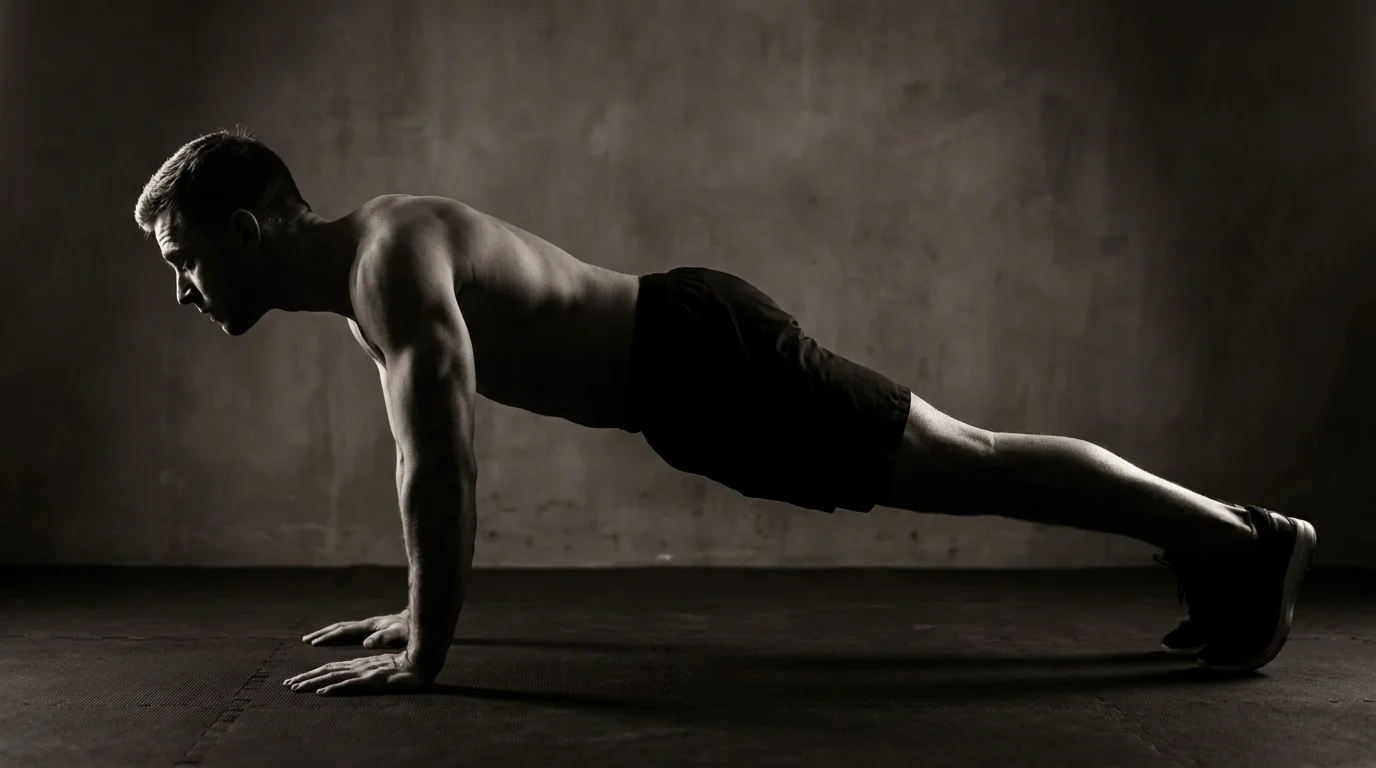
Foundations: SAID, Specificity, and Phase-Based Progression for Pushup Alternatives
SAID and Specificity in Practice
- The SAID principle means your body adapts to the specific demands you impose; for pushup alternatives, choose options that mirror the pressing pattern, loading, and range of motion you’re targeting.
- Mechanical specificity focuses on joint angles, grip, and load path to recruit the same muscles in a comparable way.
- Neuromuscular and metabolic specificity come from matching tempo, rest, and total reps so coordination, endurance, and speed transfer to your goals.
Phase-Based Progression for Alternatives
- Use a progression framework: warm-up, movement preparation, and gradual load or rep goals based on your readiness.
- Condition intensity with tempo and RPE cues; add light load or more reps only when form remains solid.
- Move through levels—from assisted or incline variants to full-range bodyweight and then to added load as needed.
Warm-Up, Mobility, and Injury Prevention
- Warm-up: 5–10 minutes of dynamic upper-body prep, scapular slides, and light band work.
- Mobility:132 thoracic rotation and shoulder-cuff hinges to improve range and control.
- Injury prevention: prioritize scapular stability, core bracing, and listening to pain signals; progress cautiously.
Tracking Progress: Metrics and Feedback
- Log reps, sets, tempo, and RPE; note any deviations in form.
- Use short checks (1–2 minutes rest) between sets to gauge consistency.
- Review quick videos or notes to guide the next progression step.
Muscle Targets and Substitutes: Bodyweight and Equipment Options Mapped to Pushups
Bodyweight Substitutes and What They Do
- Wall push-up — light load; chest and triceps work with minimal strain; steadies the core.
- Bent-knee push-up — reduces leverage; builds strength toward a full push-up; chest, triceps, shoulders, core.
- Incline push-up — hands on a bench or box; lowers resistance and shifts some emphasis to the lower chest and front delts; core remains engaged.
- Decline push-up — feet on a platform; higher load; emphasizes the upper chest and shoulders; strong core control.
Equipment-Based Substitutes: Dumbbells, Bars, Bands, TRX
- Dumbbell push-ups with handles — neutral grip; wrists align, shoulders stay comfy; chest, triceps, shoulders, core.
- Bands — add resistance or assist; strengthens chest and triceps; scalable to the goal.
- TRX — angled push-ups or chest presses; instability boosts core and shoulder stability; versatile.
- Bars — elevated-hand variations provide different angles and load for chest emphasis.
Injury-Adapted Variations: Neutral Grips, Raised Platforms, and Safe Progressions
- Neutral grip — palms facing each other; reduces shoulder strain; use handles or dumbbells.
- Raised platforms — hands on bench/box; lowers demand; progress to floor push-ups gradually.
- Safe progressions — wall → incline → knee → floor with clean form.
Push-Up Variations vs Alternatives: Choosing by Goal
- For chest mass, lean into incline/decline and TRX; for core stability, add TRX and bands; for injury adaptation, use neutral grips and raised platforms.
Programming and Real-World Progressions: From Beginners to Strength Seekers
Designing a Phase-Based Plan: Stabilization, Strength, and Metabolic Capacity
- Embrace the SAID principle: pick progressions that align with the adaptations you want.
- Stabilization: incline or knee push-ups, tempo 3-0-3, 3x6-8, RPE 5-6.
- Strength: standard or decline push-ups, tempo 2-0-2, 4x4-6, RPE 7.
- Metabolic capacity: 3-4x8-12, tempo 1-0-1, short rests, RPE 8-9.
Sample Progressions: Beginner to Advanced
- Beginner block: incline or wall push-ups, 3x6-8, 60s rest.
- Mid block: standard push-ups, 4x4-6; add dumbbell chest press as a best push-up substitute if needed.
- Advanced block: decline push-ups or explosive variations, 3-4x6-8, 60-90s rest.
Tempo, RPE, and Tracking: How to Quantify Progress
- Log reps, tempo, load, and RPE after each set; use a simple notebook or app.
- Tempo notations: 3-0-3, 2-0-2, 1-0-1; target RPE bands per phase.
- Warm-up: 5–10 minutes of mobility and light activation (shoulders, thoracic spine, hips) before each session.
Gear and Budget-Friendly Setup for Home Gyms
- Adjustable dumbbells, resistance bands, a bench or sturdy chair, and a mat.
- A doorway bar and bands expand incline/decline options and progression sequences without breaking the bank.
Frequently asked questions
What are the best push-up alternatives for building chest and pressing strength?
Incline and tempo push variations, band-resisted presses, and bench- or floor-based substitutes are core options. These moves mirror the pressing pattern and load the chest, shoulders, and triceps with controlled intensity.
How do you progress from beginner to advanced push-up variants?
Use a phase-based progression: start with assisted or incline variants, move to full-range bodyweight, then add resistance or volume as form stays solid; match tempo and RPE to set the right challenge.
What are no-equipment push-up substitutes?
Wall push-ups and bent-knee push-ups are solid no-equipment options that reduce leverage and build strength toward a full push-up.
What is NASM’s approach to push-up progressions and conditioning?
It emphasizes SAID, specificity, and phase-based progression with warm-ups, movement prep, tempo and RPE cues, and gradual overload to drive conditioning and transfer to pressing goals.
About the authors

Goran Huskić
Co-founder · Professional basketball player
Goran Huskić is a Serbian professional basketball player — a 6'11" center currently playing for Monbus Obradoiro in Spain's Primera FEB. He won the 2019–20 Basketball Champions League with San Pablo Burgos and has competed professionally across Spain, Germany, Lithuania, Serbia and the United States. He co-founded PUSHapp to bring pro-level training discipline to everyday workouts.
Nikola Janković
Co-founder · Former professional basketball player
Nikola Janković is a former professional basketball player — a 6'9" forward and the 2016–17 ABA League MVP — who played for Partizan, Union Olimpija and Mega, among others. Today he runs a pilates studio and gym focused on strength, mobility and overall wellbeing. He co-founded PUSHapp to make consistent, measurable training simple for everyone.