
Variations & Types
Pushup Variations by Difficulty: Progressions & Tips
Explore pushup variations by difficulty with expert progressions, from beginner to advanced, plus guidance on form, tempo, and equipment.


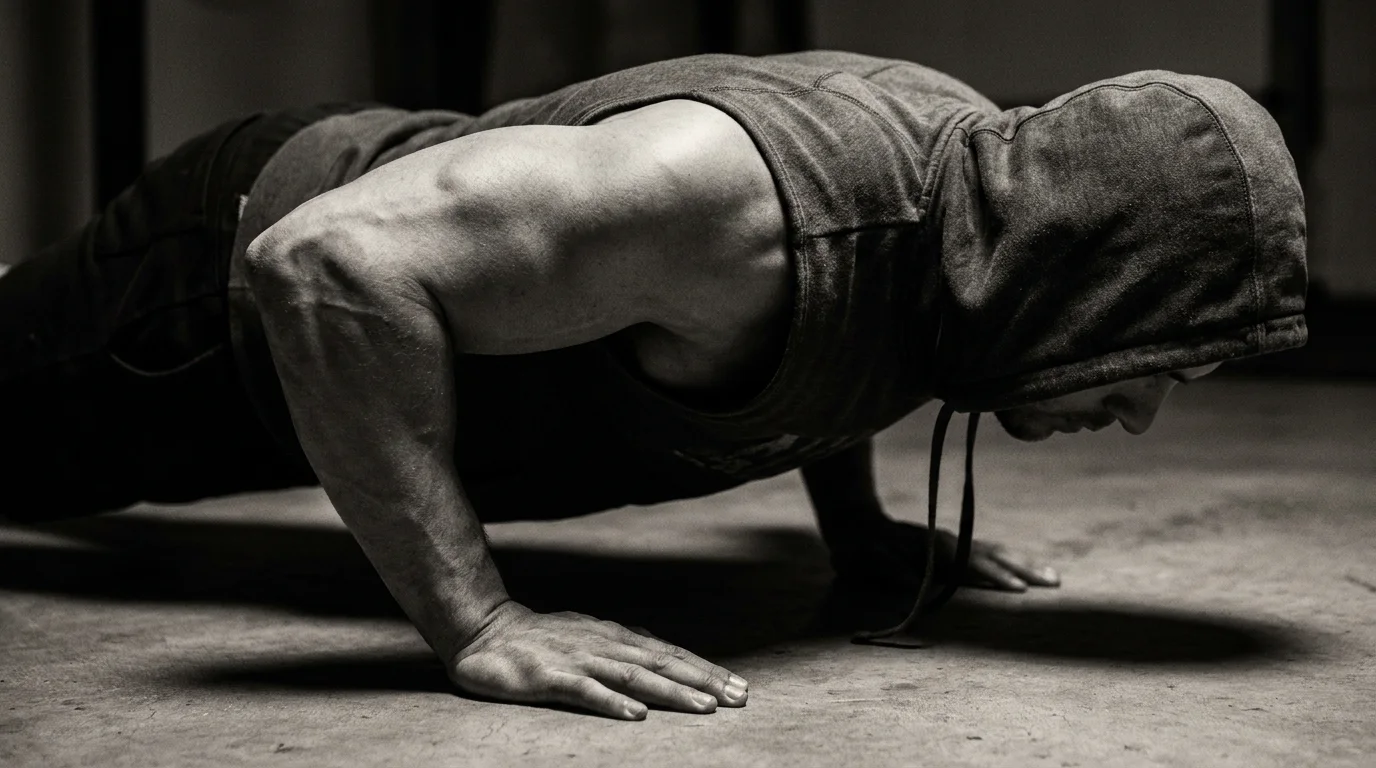
Foundations of push-up progressions: a unified framework for all levels
This framework ties push-up variations by difficulty to clear, repeatable targets you can track over time. It aligns with phase 1 push-up programming, focusing on building tolerance with controlled progression. It uses SAID and tempo to guide every step, and it considers reps, lever length, and form quality as you move through the ladder.
metric-driven progression model
- level the task by adjusting support: incline push-ups, knee push-ups, and standard push-ups.
- track reps, tempo, and lever length to gauge effort and control.
- assess readiness with simple checks: can you hold a straight line from head to heels and complete reps without sagging or compensation.
baseline regressions for beginners
- incline or wall push-ups to build tolerance and shoulder control.
- knee push-ups when you can maintain a straight body and controlled descent.
- assisted push-ups with light support until form remains solid through the set.
assisted push-ups and how to measure progress
- use a band or partner to reduce load while you refine technique.
- measure progress by more reps, steadier tempo, and less assistance over the same set.
- progress to the next difficulty level when you can perform the movement unassisted with quality.
Intermediate progressions: stability, tempo, and equipment variations
Mid level progressions shift focus from raw strength to control and endurance. This is a practical stage for stabilization endurance and tempo work. In phase 1 push-up programming, these mid-level options help you build control before heavier loads. This is how to structure pushup variations by difficulty in a progression plan.
Stability and tempo considerations
- Prioritize stabilization endurance: slow down the descent, hold each phase for a count of two, and pause at the bottom for one breath.
- Use tempo as a load lever: sets of 3 to 5 per side with equal time under tension help you feel the work.
Equipment-Based variations: TRX and stability ball
- TRX push-up reduces shoulder load while you work on scapular stability; move your feet back or forward to dial in difficulty.
- Stability ball push-up introduces an element of instability; place hands on the ball or feet on the floor using a controlled range.
Spiderman and other mid-level variations
- Spiderman push-up adds anti-rotation demand; as you descend, bring one knee toward the elbow and switch sides each rep.
- Other mid-level options include a cautious incline to decline range or a paused mid rep for stabilization.
Advanced progressions and phase 1 programming: high-load, dynamic variations
SAID and neuromuscular specificity in push-up progressions
In SAID terms the body adapts to the specific demands placed on it. For advanced push-ups that means matching joint angles, speeds, and load to the equipment you will use later. Start with precise control and light plyometrics if technique wavers, then raise load and speed as stability returns.
Phase 1 home programming: 4-week examples
- Week 1: 3 sets of 6-8 incline floor push-ups, tempo 3-0-3, plus 2 sets of 15-second bottom holds.
- Week 2: 3x5-6 archer progression with hands elevated, tempo 2-0-2.
- Week 3: 3x6-8 decline push-ups on a bench, plus 2 sets of 3-5 controlled plyometric taps.
- Week 4: 3x4-6 one-arm push-up progression with bench support, two sets per side.
Bridging bodyweight to equipment-based variations
Move to TRX chest press and stability ball push-ups, 3x6-8, then escalate by feet on the ball and finally press from a higher incline to mirror equipment work. Add progressive challenges as you transition.
Frequently asked questions
What are the best beginner push-up variations to start with?
Start with incline or wall push-ups to build tolerance and shoulder control, then progress to knee push-ups when you can maintain a straight body and controlled descent, and use assisted push-ups with light support until you can perform unassisted reps with solid form.
How can I safely progress push-ups from beginner to advanced level?
Progress gradually using reps, tempo, and lever length as your guide. Move to the next difficulty only when you can maintain a straight line and controlled reps with good form.
What does stabilization endurance mean in the context of push-ups?
Stabilization endurance means you can hold a solid, neutral spine and control through each phase of the push-up without sagging or rotating. It is trained by slowing the descent, pausing at the bottom, and focusing on controlled tempo.
Which push-up variations require no equipment and which use simple gear like a TRX or stability ball?
No equipment basics include incline or wall push-ups, knee push-ups, and standard push-ups when you are ready. Simple gear like TRX or a stability ball adds variety, with TRX push-ups reducing shoulder load and stability ball push-ups increasing instability for extra challenge.
About the authors

Goran Huskić
Co-founder · Professional basketball player
Goran Huskić is a Serbian professional basketball player — a 6'11" center currently playing for Monbus Obradoiro in Spain's Primera FEB. He won the 2019–20 Basketball Champions League with San Pablo Burgos and has competed professionally across Spain, Germany, Lithuania, Serbia and the United States. He co-founded PUSHapp to bring pro-level training discipline to everyday workouts.

Nikola Janković
Co-founder · Former professional basketball player
Nikola Janković is a former professional basketball player — a 6'9" forward and the 2016–17 ABA League MVP — who played for Partizan, Union Olimpija and Mega, among others. Today he runs a pilates studio and gym focused on strength, mobility and overall wellbeing. He co-founded PUSHapp to make consistent, measurable training simple for everyone.