
Workouts & Programs
Upper Body Workout No Equipment: Quick Home Routines
Discover an upper body workout no equipment you can do at home or on the road. Short, guided routines with push-ups, planks and more.


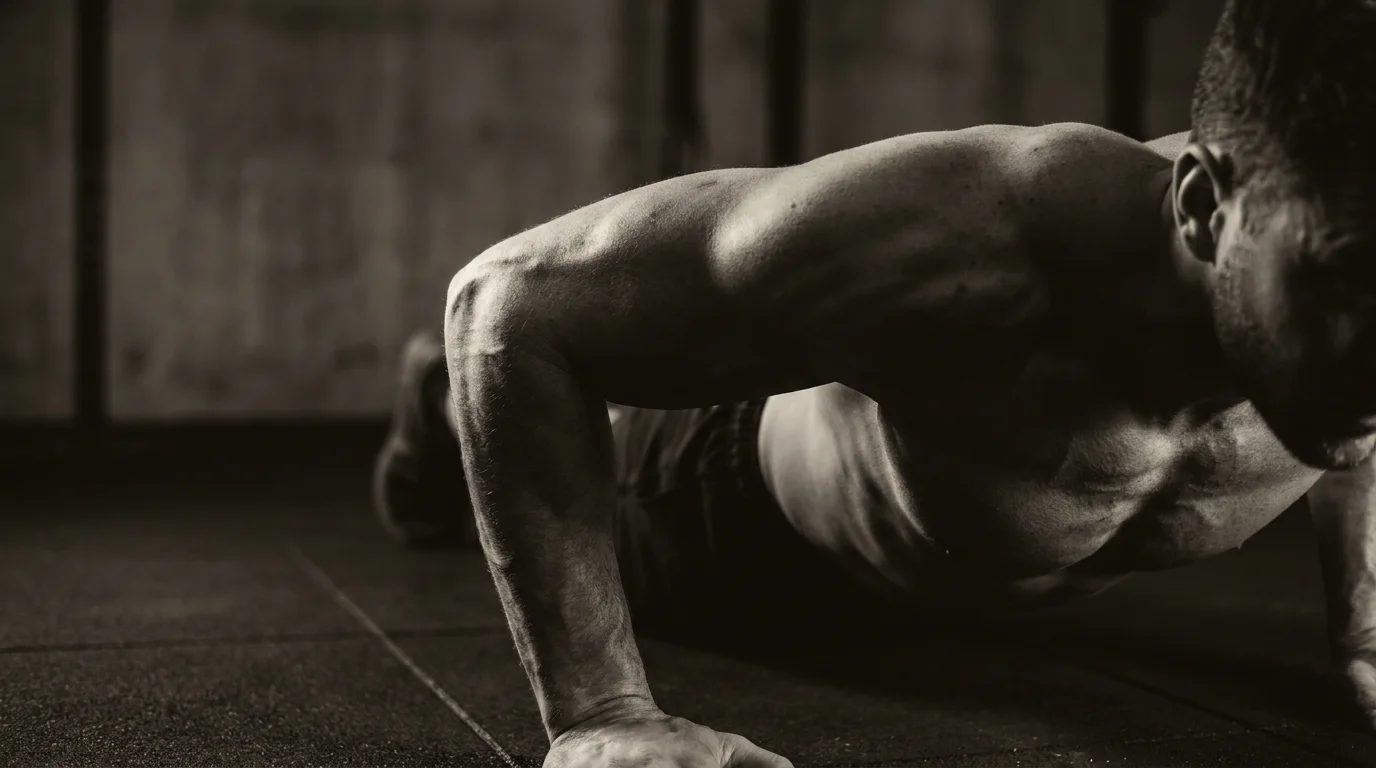
Foundations for a Safe No-Equipment Upper Body Workout
Warm-Up & Mobility for No-Equipment Training
- Spend 5 minutes on dynamic prep: arm circles (small to large), scapular squeezes, thoracic rotations, light hip marches, and ankle rolls. These wake up the shoulders and spine.
- Add gentle mobility tasks: cat-cow, thread-the-needle, and wrist circles. For beginners, start with wall-driven motions and progress to floor-friendly moves as you feel ready.
- Beginner-friendly options: wall push-ups, incline push-ups on a table, or knee push-ups to ease into load-bearing work without equipment.
Key Form Cues for Push-Ups, Planks, and Arm Supports
- Push-ups: keep a straight head-to-toe line, brace the core, hips level, hands slightly wider than shoulders, elbows about 45 degrees.
- Planks: elbows under shoulders, neutral spine, brace the abs and glutes, don’t let hips sag or rise.
- Arm supports: shoulders away from ears, forearms or hands planted, wrists aligned under elbows; maintain control and avoid collapsing.
Safety Tips, Red Flags, and Injury Prevention
- Breathe steadily, don’t lock joints; pause if you feel sharp pain, numbness, or dizziness.
- Stop and reassess form if hips drift, elbows flare excessively, or you lose a stable plank.
- Use stable surfaces, progress gradually from wall to incline to floor, and respect your limits to prevent overuse.
Structured Routines: 10-Minute and Progressive No-Equipment Upper Body Sessions
This 10-minute no equipment plan is a ready-to-use arm-focused push for home workouts. It fits into a busy day and dresses up calisthenics for upper body without gear.
Sample 10-Minute Routine (Beginner)
- Incline push-ups on a chair or counter — 40s
- Knee push-ups — 40s
- Wall push-ups — 40s
- Push-up hold at top — 40s
- Push-up hold at bottom — 40s
- Repeat circuit once (total 10 minutes)
Progression Ladder: Make It Harder Without Equipment
- Move from incline to standard push-ups as you gain strength
- Try decline push-ups with feet on a chair
- Add tempo and pauses (3s down, 1s pause, 0s up)
- Shorten rests to 15s or add a third circuit
Isometric Holds and Intensity Options
- Top hold at full extension — 15–30s
- Bottom hold at near-bottom — 15–30s
- Use holds within the 40s blocks and keep the core braced for a steady, efficient home workout no equipment
Safety, Progression, and Resources: Train Effectively Without Equipment
Safety Guidelines and Red Flags
- Warm up 5–10 minutes focusing on shoulders, chest, and wrists.
- Watch for sharp pain, dizziness, or joint instability. Stop if form breaks or pain escalates.
- If you have medical conditions, recent injuries, or are pregnant, seek medical clearance before starting any new routine.
Progression, Overload, and Isometrics
- Start with easier variations (like incline push-ups on a table) and short sets; add time under tension with a slower tempo.
- Progress by reps, then by isometric holds (plank-style or wall push-up hold) or controlled tempo changes. Avoid adding load beyond what you can control safely.
Video Resources and How to Follow Along
- Look for video-based demonstrations from reputable apps or channels, and choose beginner-friendly alternatives.
- For a no equipment upper body routine for beginners, search terms like “arm and shoulder workout without equipment at home” and follow along with clear cues.
Frequently asked questions
What equipment do I need for this no-equipment upper body workout?
No equipment is required; you can perform the routines with bodyweight, and you can use a chair or table for incline push-ups if you need an easier variation.
How long is the sample 10-minute routine, and can I customize it?
The sample routine runs for 10 minutes, and you can extend it by repeating circuits or adding holds and extra rounds.
How should I start if I can't do standard push-ups yet?
Begin with incline push-ups on a chair or table, knee push-ups, or wall push-ups, then progress to standard push-ups as you gain control.
What are the key form cues and safety tips to protect shoulders and spine?
For push-ups, keep a straight head-to-toe line, brace the core, hips level, and elbows about 45 degrees. For planks and arm supports, keep elbows under shoulders with a neutral spine, and breathe steadily; stop if you feel sharp pain or dizziness.
About the authors

Goran Huskić
Co-founder · Professional basketball player
Goran Huskić is a Serbian professional basketball player — a 6'11" center currently playing for Monbus Obradoiro in Spain's Primera FEB. He won the 2019–20 Basketball Champions League with San Pablo Burgos and has competed professionally across Spain, Germany, Lithuania, Serbia and the United States. He co-founded PUSHapp to bring pro-level training discipline to everyday workouts.

Nikola Janković
Co-founder · Former professional basketball player
Nikola Janković is a former professional basketball player — a 6'9" forward and the 2016–17 ABA League MVP — who played for Partizan, Union Olimpija and Mega, among others. Today he runs a pilates studio and gym focused on strength, mobility and overall wellbeing. He co-founded PUSHapp to make consistent, measurable training simple for everyone.